
 newsdesk@dailyround.news
Global Care Stories

Discover the latest international news, inspiring frontline stories, innovation, best practice and real experiences shaping health and social care across the globe.
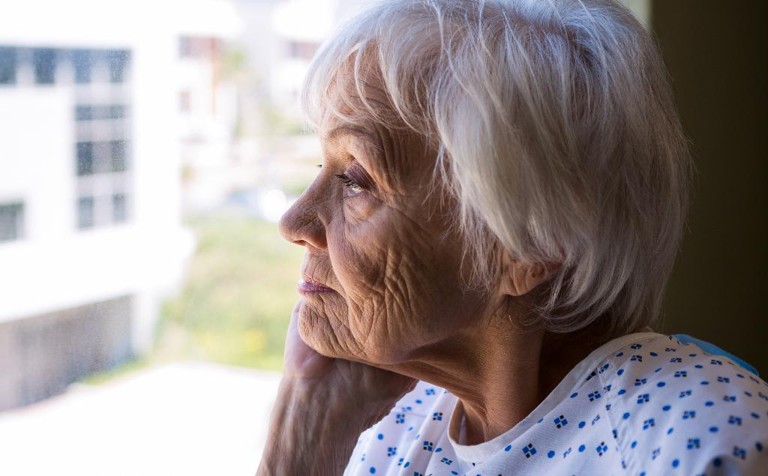
A weekly bingo session in England. A community café in Canada. Volunteer telephone calls in Australia. A friendship programme in Japan.
On the surface, these initiatives may seem small. Yet across the world, charities, care providers and community organisations are tackling what the World Health Organization now recognises as one of the most significant public health challenges of our time: loneliness.
As populations age and more people live alone, social isolation is increasingly being linked not only to emotional wellbeing, but also to physical health, cognitive decline and life expectancy. The challenge is global. So too is the response.
Most people think of loneliness as a feeling. Researchers now understand it as something much more significant.
Studies have found that social isolation and loneliness are associated with a 50% increased risk of developing dementia, a 30% increased risk of coronary heart disease and stroke, and a greater risk of depression, anxiety and premature death.
The World Health Organization estimates that one in six people globally experiences loneliness and has identified social connection as a growing public health priority. For older adults, the risks can be particularly acute.
Retirement, bereavement, mobility issues, health conditions and the loss of social networks can all contribute to increased isolation. What begins as spending more time alone can gradually impact confidence, mental health and physical wellbeing.
Human beings are social by nature. Meaningful relationships help us manage stress, maintain cognitive function and build resilience during difficult times. Social connection has been linked to improved physical and mental health outcomes, while loneliness has been associated with increased risks of heart disease, stroke, cognitive decline and depression.
For care providers, this reinforces an important point. Supporting wellbeing is not simply about meeting physical needs. It is also about creating opportunities for people to maintain relationships, engage with their communities and feel connected to the world around them.
Across health and social care, organisations are increasingly recognising that tackling loneliness is part of delivering quality care.
Many providers now incorporate community engagement into support planning, helping people access local groups, social activities, volunteering opportunities and shared interests.
Some organisations have introduced befriending schemes, digital inclusion projects and intergenerational programmes that connect older adults with younger members of the community. Others are using technology to maintain family connections through video calls, online communities and virtual activities.
While these approaches may look different, they share a common goal: helping people feel seen, valued and connected.
Around the world, charities are playing a vital role in reducing social isolation.
In the United Kingdom, organisations such as Age UK and The Silver Line provide friendship services, telephone support and community programmes designed to reduce loneliness among older adults.
In the United States, AARP has invested heavily in initiatives promoting social connection and age-friendly communities.
In Australia, Friends for Good focuses specifically on addressing loneliness through support services and awareness campaigns.
Meanwhile, organisations across Canada, Japan and Europe continue to develop innovative approaches to helping older adults stay connected and engaged.
Together, these initiatives demonstrate that combating loneliness requires a collective effort involving communities, charities, healthcare services, families and policymakers.
Perhaps one of the most encouraging aspects of the fight against loneliness is that solutions do not always require major investment. A regular phone call. A community lunch. A walking group. A volunteer visitor. A conversation over a cup of tea. These simple interactions can have a profound impact on someone’s sense of belonging and wellbeing.
Research consistently shows that meaningful social connections can improve health outcomes and quality of life, particularly for older adults.
Loneliness is often described as a personal problem. In reality, it is a societal one.
As populations continue to age, addressing social isolation will require more than healthcare interventions alone. It will require communities that create opportunities for connection and services that recognise social wellbeing as an essential part of healthy ageing.
The global fight against loneliness is not simply about helping people live longer. It is about helping them live better. Because while medicine can treat illness, it is often human connection that helps people truly thrive.
Posted by:
Mehala
Editorial Assistant – The Daily Round



Busy day? We’ve got you covered. Get FREE daily news, practical insights, opportunities and wellbeing content, carefully curated for busy health and social care professionals. Just enter your details below to get The Daily Briefing delivered straight to your inbox.
Busy day? We’ve got you covered. Get FREE daily news, practical insights, opportunities and wellbeing content, carefully curated for busy health and social care professionals. Just enter your details below to get The Daily Briefing delivered straight to your inbox.