newsdesk@dailyround.news
Global Care Stories

Discover the latest international news and developments affecting health and social care worldwide. From rising measles cases in the US to major global events, including the death of the world’s youngest reigning monarch at 34, explore the stories shaping communities and making headlines around the world.
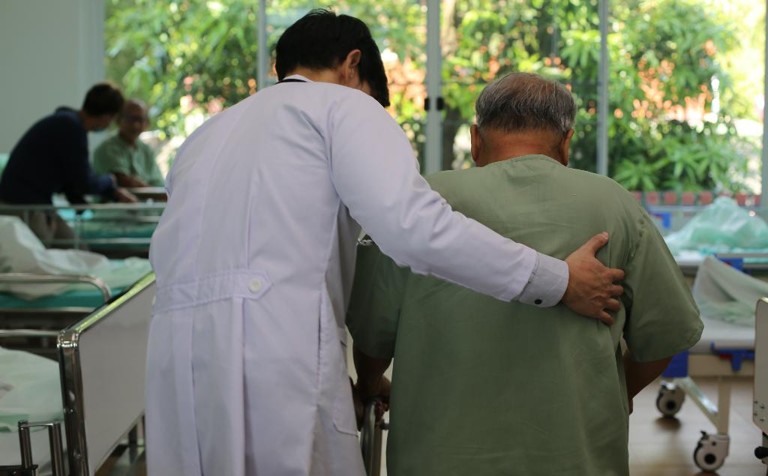
Health authorities in Bangladesh are preparing for a significant increase in dengue fever cases after a sharp rise in infections and deaths during June, with experts warning that the coming months could place additional pressure on the country’s healthcare system.
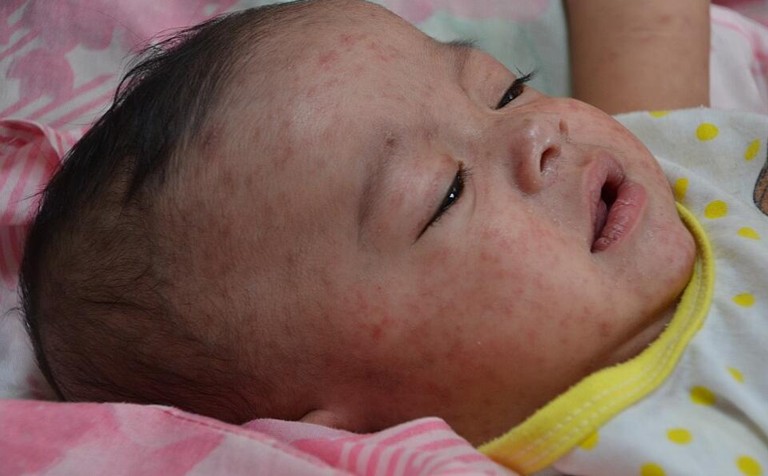
Dengue is a mosquito-borne viral infection that is common in tropical and subtropical regions. It is spread by infected Aedes mosquitoes and can cause symptoms including high fever, severe headaches, muscle and joint pain, nausea and a characteristic skin rash. While many people recover within a week or two, severe dengue can lead to life-threatening complications requiring urgent hospital treatment.
According to Bangladesh’s Directorate General of Health Services, reported dengue cases increased from 714 in May to 5,924 in June, while dengue-related deaths rose from one in May to 18 by the end of June. Specialists believe the combination of monsoon rainfall, warm temperatures and increased mosquito breeding could lead to a much larger surge during July and August if control measures are not strengthened.
Hospitals across the country are increasing their preparedness by expanding capacity, while public health officials are stepping up mosquito control programmes and encouraging communities to remove standing water where mosquitoes breed. Experts have also highlighted the importance of public awareness, early diagnosis and prompt medical treatment to reduce the risk of severe illness.
Although dengue is not established in the UK, the disease remains one of the fastest-growing mosquito-borne infections worldwide. The World Health Organization estimates that billions of people now live in areas at risk of dengue transmission, with climate, urbanisation and international travel contributing to its spread.
For UK health and social care professionals, developments in Bangladesh serve as a reminder of the importance of recognising travel-related illnesses and providing appropriate advice to patients planning overseas trips. Travellers returning from tropical regions with a fever should always be assessed carefully, particularly if they have recently visited areas experiencing outbreaks.
The situation also highlights how weather patterns, environmental conditions and vector-borne diseases can rapidly place additional demands on healthcare systems, reinforcing the importance of preparedness, surveillance and public health interventions.
Register with The Daily Round for the latest sector news, exclusive investigations, wellbeing content, workforce insights, expert features and practical updates—delivered free to your inbox.
Posted by:
Mehala
Editorial Assistant – The Daily Round


Busy day? We’ve got you covered. Get FREE daily news, practical insights, opportunities and wellbeing content, carefully curated for busy health and social care professionals. Just enter your details below to get The Daily Briefing delivered straight to your inbox.
Busy day? We’ve got you covered. Get FREE daily news, practical insights, opportunities and wellbeing content, carefully curated for busy health and social care professionals. Just enter your details below to get The Daily Briefing delivered straight to your inbox.