

Wellbeing for Men

Advice, information, and resources to help women navigate every stage of life, supporting both physical and mental wellbeing.



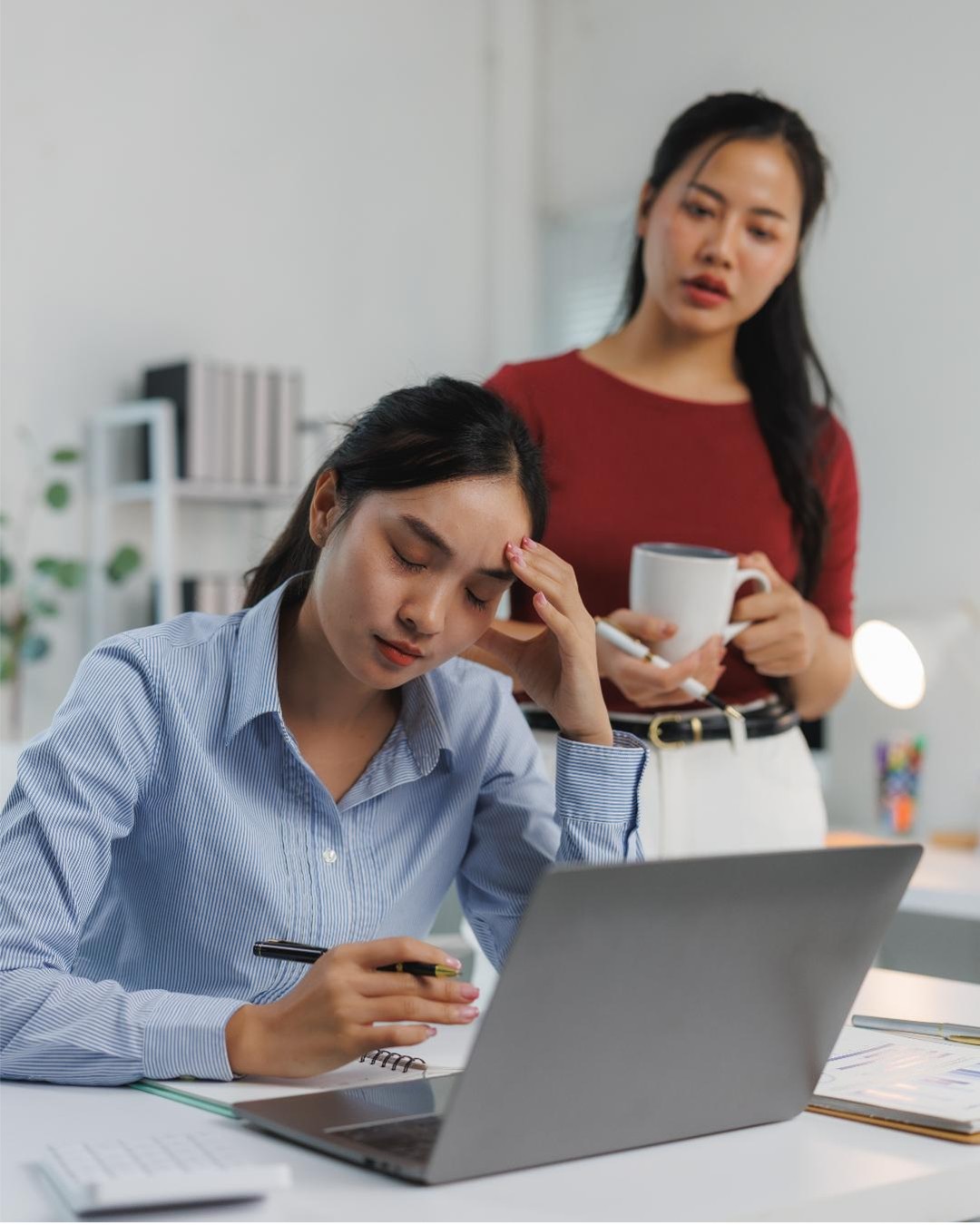
You get out of bed and your feet feel stiff. Your knees complain on the stairs. After sitting down for half an hour, standing up takes more effort than you remember.
Perhaps you blame a busy shift, an uncomfortable mattress or getting older. You keep going because there is work to do, people to look after and no obvious injury to explain why you feel so uncomfortable.
When people discuss menopause, hot flushes and changing periods tend to lead the conversation. Muscle aches and joint pain can come as more of a surprise, even though the NHS recognises both among the possible physical symptoms of perimenopause and menopause.
This October, the International Menopause Society has put chronic pain at midlife at the centre of its World Menopause Day campaign, calling for better recognition and care. It is a timely reminder that pain deserves a proper conversation, including when it arrives alongside hormonal changes.
During perimenopause, hormone levels fluctuate as the body moves towards menopause. Some women notice aches and stiffness alongside changes in their periods, sleep, mood or temperature regulation. Others experience relatively few symptoms.
If several unfamiliar changes have arrived together, it is reasonable to ask whether perimenopause could be contributing. Our article on understanding perimenopause and the symptoms nobody warned you about offers a related starting point.
However, timing alone cannot tell you what is causing pain. Joint and muscle symptoms can have several explanations, and more than one may be present. A physically demanding job, an injury or a condition such as arthritis may need consideration.
Recognising a possible connection with menopause should open up assessment, rather than bring it to an end.
For women working in health and social care, aches can be easy to explain away. Long periods on your feet, repeated movements and physically demanding tasks may already be familiar parts of the working day.
You might begin changing how you work without fully noticing it: taking stairs more slowly, struggling with tasks that used to feel straightforward or spending days off recovering from discomfort. Perhaps you stop doing something you enjoy because you want to save your energy for the next shift.
Those changes matter. You do not need to wait until pain prevents you from working before asking for help.
The wider experience is explored in the hidden impact of perimenopause on healthcare staff. If symptoms are affecting your duties, consider discussing support with your manager or occupational health service, where available. Explain which tasks have become difficult and what would help you work comfortably and safely.
At an appointment, “I ache everywhere” may be exactly how you feel. A few extra details can help the clinician understand what is happening.
Beforehand, make a brief note of where the pain occurs, when it started and whether it comes and goes. Describe any swelling, how long stiffness lasts after waking and whether symptoms disturb your sleep. Mention injuries, medicines and any other changes you have noticed.
Then explain the effect on your life. “My hands hurt” conveys less than “My hands are painful enough that opening containers has become difficult.” If you have stopped walking, struggle to dress or wake repeatedly because of discomfort, say so.
You do not need a perfect diary or a diagnosis of your own. Useful questions include: “What could be causing this?”, “Could perimenopause be contributing?” and “What should happen if it does not improve?”
HRT is one treatment option for menopausal symptoms, and a clinician can discuss its potential benefits and risks in your circumstances. The NHS advises speaking to a doctor, nurse or pharmacist about HRT and other available options.
A conversation about HRT should sit alongside consideration of the pain itself. Treatment may also involve physiotherapy, advice about activity or investigation of another possible cause. There is no single answer that fits every woman with aching joints.
It is also useful to distinguish between different hormone treatments. Our article asking why women are taking testosterone for menopause and what happens when they try to get it explores a related issue. NICE recommends considering testosterone for menopause-associated low sexual desire when HRT alone has not been effective; it is not recommended as a general treatment for unexplained aches.
When discomfort persists, confident promises can become appealing. A testimonial from someone who says they finally feel like themselves may seem more reassuring than another appointment without clear answers.
Before buying a treatment, ask what it contains, what evidence supports its use and who will assess whether it is appropriate for you.
For further reading, we have examined women buying “research peptides” for menopause and reported on women posing as men to buy testosterone online.
Neither an online questionnaire completed inaccurately nor a product promoted through testimonials can replace an assessment of persistent pain. Tell your clinician about anything you are already taking or injecting so they have the information needed to advise you.
Arrange a GP appointment if joint pain affects normal activities or sleep, keeps returning or is getting worse. Seek an urgent GP appointment or NHS 111 advice if a painful joint is swollen and feels hot, particularly if you also feel unwell or feverish.
You do not have to decide whether your symptoms are “bad enough” compared with someone else’s. If your body feels different and discomfort is changing how you live, that is worth discussing.
Perimenopause may be part of the explanation. Whatever the cause, you deserve help understanding it and a plan for what happens next.
This article provides general health information and is not a substitute for personalised medical advice. Speak to a qualified healthcare professional about new, persistent or worsening symptoms.
Posted by:
M Ramalani
Editorial Assistant – The Daily Round
Busy day? We’ve got you covered. Get FREE daily news, practical insights, opportunities and wellbeing content, carefully curated for busy health and social care professionals. Just enter your details below to get The Daily Briefing delivered straight to your inbox.
 newsdesk@dailyround.news