newsdesk@dailyround.news
Industry Insight

Stay up to date with the latest health and social care news from across the UK. From breaking stories and sector updates to emerging trends, challenges and innovations shaping care.
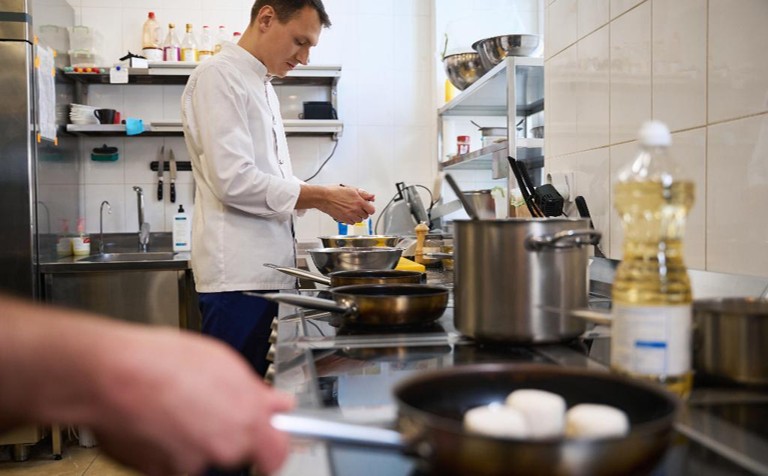
Vulnerable people are being advised to avoid raw or runny eggs when eating out as health officials continue to investigate an ongoing Salmonella outbreak linked to imported eggs.
The Food Standards Agency (FSA) has issued additional precautionary advice for young children, older people, pregnant women and people with underlying health conditions when eating in restaurants, cafés and other catering establishments.
The warning follows an investigation into an outbreak of Salmonella Enteritidis which has resulted in more than 200 confirmed infections across the UK.
UK Health Security Agency (UKHSA) data recorded 207 cases between 11 August 2025 and 1 August 2026. Most of the cases were in England, although infections have also been identified elsewhere in the UK.
One person has died and 34 people have been admitted to hospital during the outbreak.
Investigations have identified a possible connection with eggs imported into the UK, which are predominantly supplied to food service and catering businesses rather than sold directly to consumers.
Officials have stressed that there is currently no evidence that UK-produced eggs are affected.
The FSA advises vulnerable people eating out to choose dishes where eggs have been thoroughly cooked until both the white and yolk are solid. Foods that may contain raw or lightly cooked egg, including freshly prepared mayonnaise, hollandaise sauce and soufflés, should also be avoided unless the establishment can confirm that appropriate assured eggs have been used.
The advice at home is different. Vulnerable groups can safely eat raw or lightly cooked hen eggs carrying the British Lion mark or produced under the Laid in Britain egg assurance scheme, according to the FSA.
The guidance does not apply to people who are severely immunocompromised and following a medically supervised diet, who should continue to follow advice from their healthcare team.
UKHSA investigations have identified five food businesses visited by two or more independent cases in the week before their symptoms began. Together, these businesses are associated with 24 cases, with 11 people reporting eating dishes containing eggs.
Food-chain investigations found that the businesses had received eggs from multiple sources, including importers, and officials are continuing work to identify the source of the outbreak.
Salmonella infection typically causes gastrointestinal illness, with symptoms including diarrhoea, stomach cramps, vomiting and fever. While many people recover without specific treatment, infection can be more serious for vulnerable groups.
The FSA and UKHSA are continuing to work with food safety and public health partners as investigations into the outbreak continue.
Posted by:
K Jadon
Editorial Assistant – The Daily Round


Sign up for FREE daily news, practical insights, opportunities and wellbeing support. Complete the short form below to personalise your experience with The Daily Round.
Sign up for FREE daily news, practical insights, opportunities and wellbeing support. Complete the short form below to personalise your experience with The Daily Round.