newsdesk@dailyround.news
Industry Insight

Stay up to date with the latest health and social care news from across the UK. From breaking stories and sector updates to emerging trends, challenges and innovations shaping care.
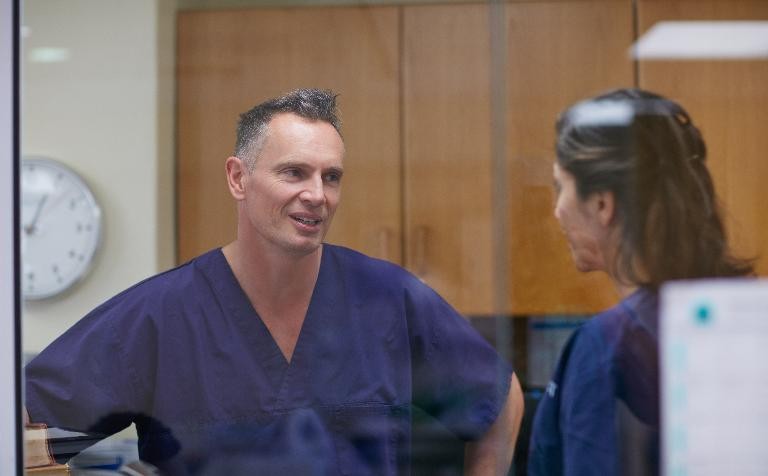
NHS England has set out a major three-year planning framework designed to dramatically reduce waiting times, restore access to local services and shift more healthcare away from hospitals and closer to people’s homes.
The Medium Term Planning Framework covers 2026/27 to 2028/29 and represents a move away from the NHS relying predominantly on annual planning cycles. NHS England says the approach will give local organisations greater ability to plan services over several years and deliver the changes outlined in the government’s 10 Year Health Plan.
Reducing waiting times is at the heart of the framework, with NHS organisations expected to improve access across elective, community and urgent care while tackling some of the exceptionally long waits that have developed in recent years.
For community health services, the NHS is aiming for at least 78% of waits to be under 18 weeks by the end of 2026/27, increasing to 80% by the end of 2028/29. Local systems are also expected to develop plans to eliminate waits of more than 52 weeks.
The framework places greater emphasis on delivering care in communities, particularly for people with complex needs and frail older people. The intention is to strengthen community services so more patients can receive support at or closer to home, while helping to prevent avoidable hospital admissions.
This forms part of the wider development of neighbourhood health services, bringing together primary care, community services, hospitals, local authorities and other organisations around the needs of local populations. By March 2029, national ambitions include reducing non-elective hospital admissions and bed days by 10% among people with moderate to severe frailty, people living in care homes and those who are housebound.
NHS England also wants organisations to make better use of digital technology, improve productivity and reduce unnecessary bureaucracy, with savings redirected towards frontline services and staff. The framework gives local leaders greater responsibility for deciding how services should be organised around the needs of their communities.
The plans will require NHS organisations to balance improvements in access and patient experience with significant financial pressures. NHS England acknowledges that delivering the changes will not be easy but says the framework is intended to put the health service on a more sustainable footing.
The three-year programme ultimately aims to create an NHS with shorter waits, stronger community services and more care delivered outside traditional hospital settings, while laying the foundations for the longer-term reforms contained within the 10 Year Health Plan.
Posted by:
K Jadon
Editorial Assistant – The Daily Round




Sign up for FREE daily news, practical insights, opportunities and wellbeing support. Complete the short form below to personalise your experience with The Daily Round.
Sign up for FREE daily news, practical insights, opportunities and wellbeing support. Complete the short form below to personalise your experience with The Daily Round.