
 newsdesk@dailyround.news
Industry Insight

Stay up to date with the latest health and social care news from across the UK. From breaking stories and sector updates to emerging trends, challenges and innovations shaping care.
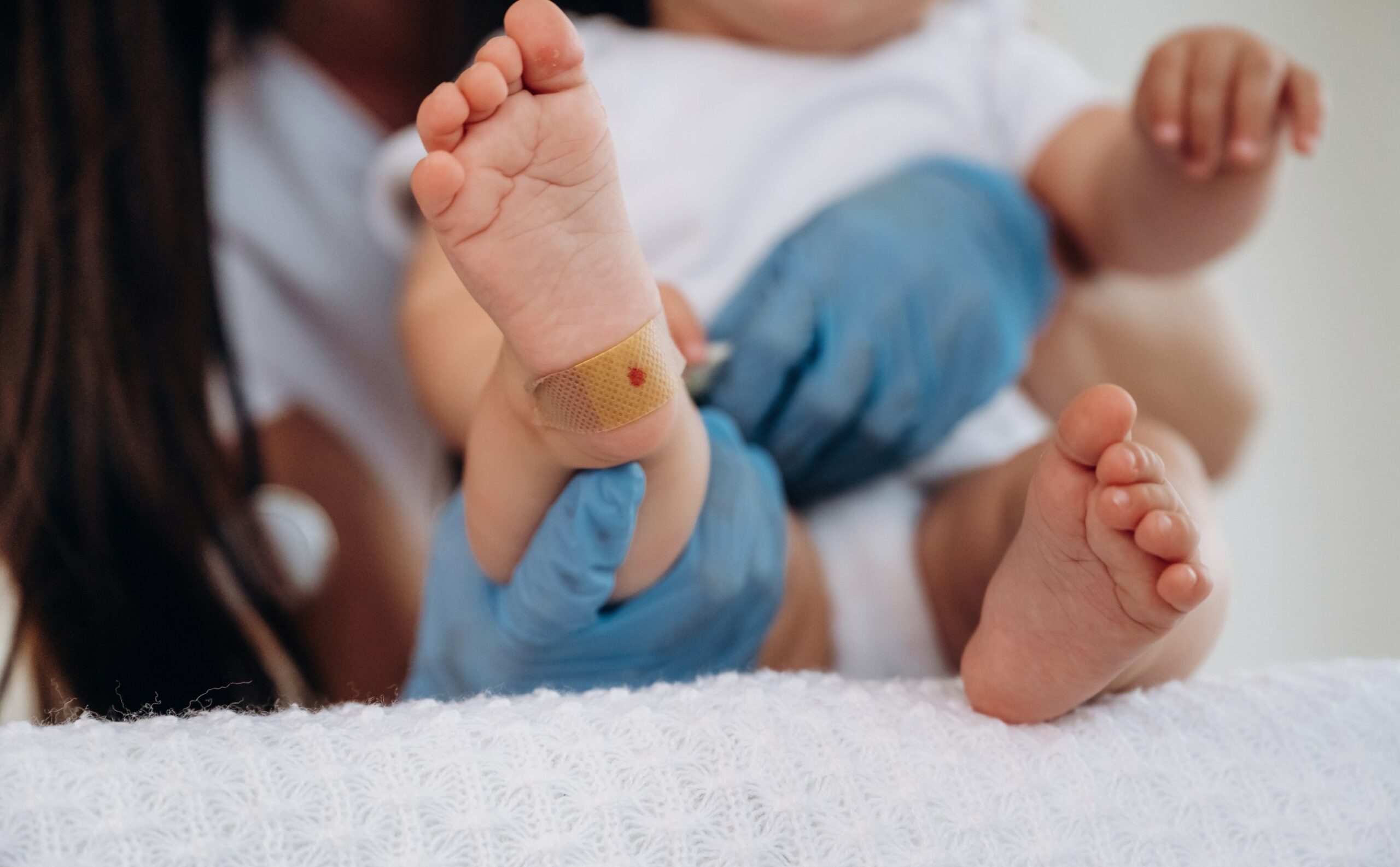
The first baby diagnosed with spinal muscular atrophy through Scotland’s pioneering newborn screening programme has started treatment before developing symptoms of the condition.
The newborn was tested for spinal muscular atrophy, known as SMA, at just five days old as part of Scotland’s national screening evaluation. After the test returned a positive result, the baby was rapidly referred to specialist services and was able to begin treatment before symptoms appeared.
SMA is a rare genetic condition that causes progressive muscle weakness and wasting and can affect a child’s ability to move, breathe and swallow. Symptoms can develop rapidly during infancy, but identifying the condition before they appear provides an opportunity to begin treatment at the earliest possible stage and can significantly improve a child’s future health and development.
Scotland became the first part of the UK to offer newborn screening for SMA when an in-service evaluation was introduced on 23 March. Parents across Scotland are now offered the additional test alongside the existing newborn blood spot screening programme, commonly known as the heel-prick test.
The test is carried out using the same blood spot sample routinely taken from babies at around five days old. Samples are analysed by the Scottish Newborn Screening Laboratory, based at the Queen Elizabeth University Hospital campus in Glasgow, which processes around 50,000 newborn blood spot samples each year.
Dr Sarah Smith, consultant clinical scientist and director of the Scottish Newborn Screening Laboratory, said the baby’s diagnosis demonstrated exactly why the evaluation had been introduced. Detecting SMA before symptoms develop allows clinical teams to intervene quickly, while early diagnosis gives affected babies the best possible opportunity for improved outcomes.
Dr Iain Horrocks, consultant paediatric neurologist at NHS Greater Glasgow and Clyde, said treatment before symptoms emerge can dramatically alter the course of SMA and improve a child’s future health and development. He said identifying the baby through screening at five days old had allowed specialist care and treatment to begin at a stage that would not previously have been possible through symptom-led diagnosis.
Before the screening evaluation was introduced, babies in Scotland would generally be tested for SMA after developing symptoms. This can be particularly significant because damage caused to motor neurons by the condition cannot simply be reversed once it has occurred, making the timing of diagnosis and treatment especially important.
SMA remains rare, with an average of three to four babies born with the condition in Scotland each year and around 70 infants affected annually across the UK. However, the introduction of disease-modifying treatments has transformed what may be possible for children diagnosed early, increasing the importance of identifying affected babies before the condition has caused significant damage.
The Scottish programme is currently an evaluation rather than a permanent addition to newborn screening. It is being funded jointly by the Scottish Government and pharmaceutical company Novartis, with £95,000 provided by the government and £435,400 from Novartis. The programme is expected to run for around two years and will gather evidence on how effectively SMA screening works within a real-world NHS setting.
The findings will contribute to the evidence considered by the UK National Screening Committee when determining whether SMA should ultimately be added permanently to newborn blood spot screening. Scotland’s experience could therefore have implications for babies and families elsewhere in the UK as decisions are made about the future of routine SMA testing.
Public Health Minister Maree Todd said early screening allows SMA to be detected and treated before symptoms develop, potentially bringing profound improvements to quality of life for affected babies and their families. She thanked the Scottish Newborn Screening Laboratory for its work and said she looked forward to the results of what she described as a transformational programme.
For the first baby identified through the programme, however, the potential benefit of newborn screening is already tangible. A condition that might previously have been discovered only after muscle weakness or other symptoms became apparent was instead identified within the first week of life, allowing treatment to begin at the point when it has the greatest potential to change what comes next.
Posted by:
Mehala
Editorial Assistant – The Daily Round


Busy day? We’ve got you covered. Get FREE daily news, practical insights, opportunities and wellbeing content, carefully curated for busy health and social care professionals. Just enter your details below to get The Daily Briefing delivered straight to your inbox.
Busy day? We’ve got you covered. Get FREE daily news, practical insights, opportunities and wellbeing content, carefully curated for busy health and social care professionals. Just enter your details below to get The Daily Briefing delivered straight to your inbox.