
 newsdesk@dailyround.news
Industry Insight

Stay up to date with the latest health and social care news from across the UK. From breaking stories and sector updates to emerging trends, challenges and innovations shaping care.
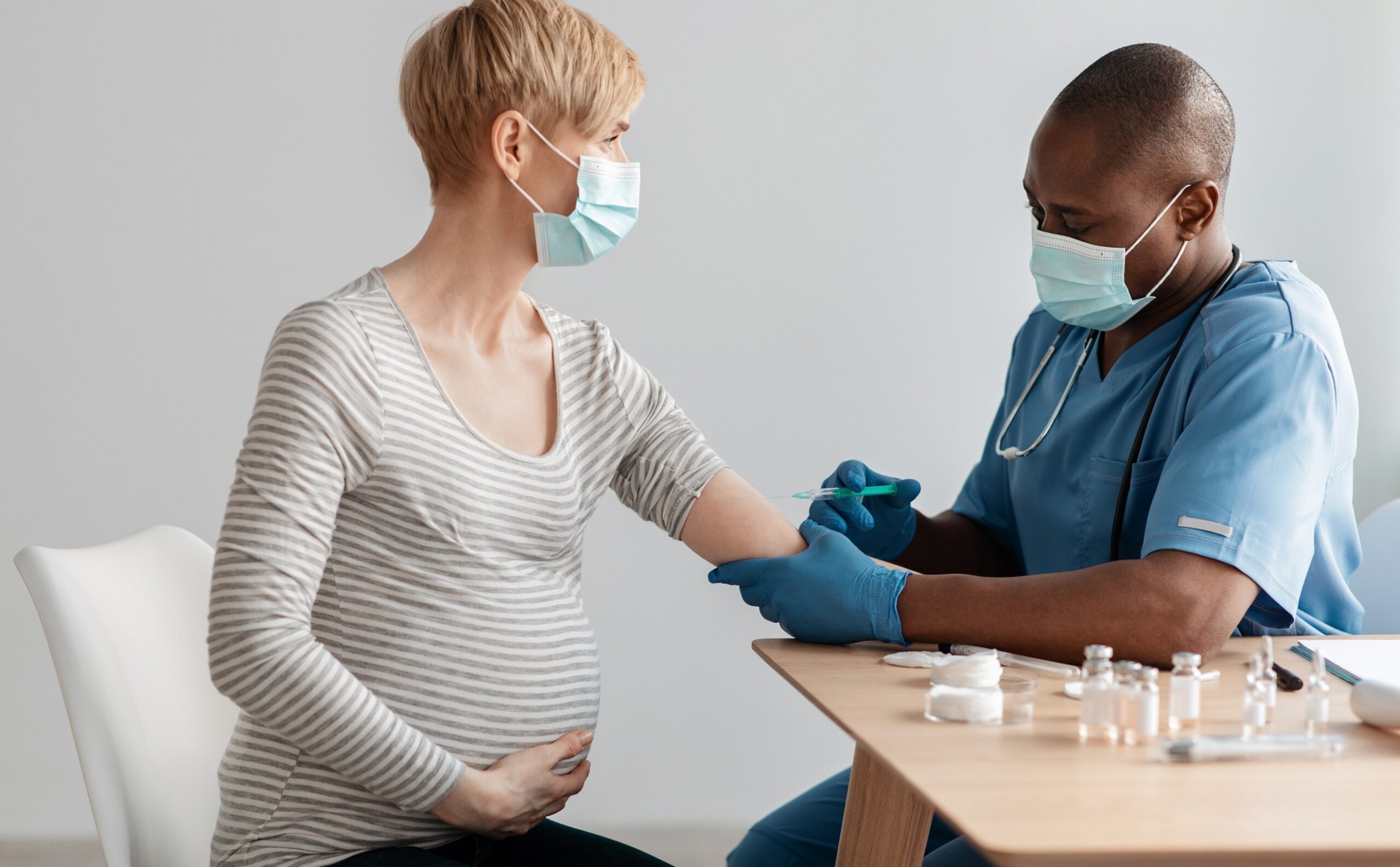
The NHS has begun its annual flu vaccination programme, with millions of children and pregnant women in England becoming eligible for vaccination from today as health services prepare for the approaching winter.
The first phase of the 2026/27 programme begins on 1 September and is deliberately focused on children and pregnant women, while most other eligible adults will be offered vaccination from 1 October. NHS England says the staggered approach is designed to provide protection at the most appropriate time while helping reduce the spread of flu before infections typically peak in December and January.
From September, flu vaccination is being offered to pregnant women, children aged two or three on 31 August 2026, school-aged children from Reception to Year 11 and children aged from six months to under 18 who have certain long-term health conditions. Most schoolchildren will receive their vaccination through school, while younger children and those in clinical risk groups can be invited through their GP practice.
For most children, the vaccine is given as a nasal spray rather than an injection. The school vaccination programme is intended not only to protect children themselves but also to reduce the amount of flu circulating within families and communities.
That matters because children can play a significant role in spreading influenza. Although flu is often regarded as little more than an unpleasant winter illness, thousands of children require hospital treatment because of the virus each year. Infection can also be particularly serious for people with underlying health conditions, older people and pregnant women.
Vaccination rates among children nevertheless remain relatively low. During the 2025/26 season, 52.2% of eligible school-aged children in England received a flu vaccination. Uptake reached 55.5% among primary school pupils but fell to 48% among secondary school pupils, meaning more than half of eligible secondary-aged children were not vaccinated.
There were also substantial regional differences. Secondary-school uptake reached 57% in the East of England and 55.5% in the South East, compared with just 35.3% in London. Although uptake improved across every English region compared with the previous season, the figures demonstrate the continuing challenge facing health services trying to increase vaccination among older children.
Pregnant women are another priority group from September because pregnancy increases the risk of becoming seriously unwell with flu. Vaccination can be given at any stage of pregnancy, with eligible women able to speak to their maternity team, GP practice or participating community pharmacy about receiving it.
The programme will expand significantly from 1 October. People aged 65 and over will then become eligible, alongside adults with certain long-term health conditions, people living in care homes, carers, close contacts of people who are immunocompromised, frontline health and social care workers and people experiencing homelessness.
The later start for many adults is intentional. Protection from the flu vaccine gradually decreases over time, so timing vaccination closer to the period when influenza is expected to circulate most heavily can help ensure protection lasts through the winter months. Children and pregnant women begin earlier because of the benefits of protecting these groups and reducing transmission as children return to schools and nurseries.
The scale of the programme makes flu vaccination one of the NHS’s largest annual preventative health interventions. Nearly 19 million people received a flu vaccine in England last winter, and NHS England estimates that vaccination prevented around 104,000 hospital admissions.
The NHS is also widening the places where people can receive their vaccination. Alongside GP practices and high-street pharmacies, vaccines will be delivered through schools, community services and mobile units. From October, parents of eligible two and three-year-olds will also be able to book appointments at participating community pharmacies through the National Booking Service.
The flu programme is beginning alongside another change to the NHS’s winter vaccination offer. From 1 September, the year-round RSV vaccination programme is being expanded to include people aged 65 to 74 who have a weakened immune system or certain long-term lung conditions. Pregnant women can also be offered RSV vaccination to help protect their babies during the first months of life.
For people wondering why their neighbour, child or pregnant relative can receive a flu vaccine in September while they have been told to wait, the answer is therefore largely about timing rather than availability. The NHS is beginning with groups where earlier vaccination has particular benefits before expanding the programme to millions more people from October.
With flu usually reaching its highest levels in December and January, the aim is to have as many vulnerable people as possible protected before winter pressures begin in earnest.
Posted by:
Mehala
Editorial Assistant – The Daily Round


Busy day? We’ve got you covered. Get FREE daily news, practical insights, opportunities and wellbeing content, carefully curated for busy health and social care professionals. Just enter your details below to get The Daily Briefing delivered straight to your inbox.
Busy day? We’ve got you covered. Get FREE daily news, practical insights, opportunities and wellbeing content, carefully curated for busy health and social care professionals. Just enter your details below to get The Daily Briefing delivered straight to your inbox.