newsdesk@dailyround.news
Care Sector Insights

Explore in-depth articles covering the issues, trends and changes shaping UK health and social care.
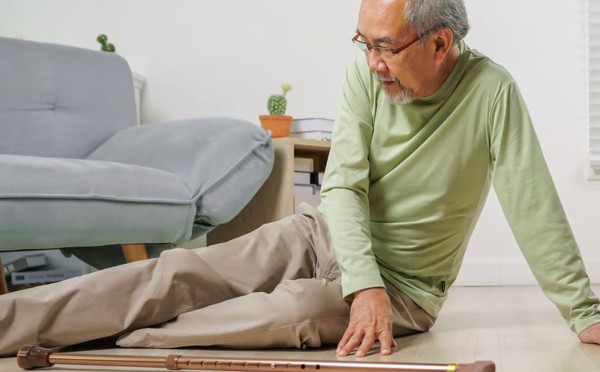
The moment a family begins to wonder whether an older relative is still safe living alone rarely comes with one dramatic event. More often, it is a collection of smaller things. The fridge contains food that has gone out of date, medication is being missed, bills are piling up, or somebody who was always meticulous about their appearance is no longer washing or changing their clothes regularly. There may be falls, forgotten appointments, unexplained bruises or telephone calls at unusual times because the person is confused about what day it is.
Sometimes there is a more obvious crisis. An older person is admitted to hospital after a fall, leaves the cooker on, wanders from home or becomes unable to get out of bed without assistance. For relatives, these incidents can create an immediate sense that something must change, but recognising that somebody is struggling does not automatically mean they can no longer live in their own home. The important question is what is creating the risk and whether additional support could enable them to continue living safely and independently.
Age itself is not a reason for somebody to leave their home, and neither is a diagnosis such as dementia. People can live independently with significant health conditions when the right support is in place. Equally, somebody without a formal diagnosis may be struggling considerably with everyday life. Decisions about care should therefore begin with the individual’s actual needs, wishes and abilities rather than assumptions about what somebody of a particular age should be able to manage.
Changes can be difficult for families to judge, particularly when they happen gradually. A parent may insist that everything is fine, while their children notice that the house is becoming less well maintained or that the same stories are being repeated several times during a conversation. Other warning signs can include weight loss, difficulty preparing meals, problems managing medication, frequent falls, poor personal hygiene, unopened post, increasing isolation or difficulties remembering how to carry out familiar tasks.
One incident on its own does not necessarily mean somebody can no longer live independently. A fall may be caused by an infection, medication side effect or temporary illness, while confusion can sometimes have a treatable medical cause. A sudden change in an older person’s behaviour or ability should therefore prompt consideration of their health as well as their social care needs. Where changes are significant or sudden, seeking medical advice can be an important first step.
Families should also consider whether the problem is the person’s ability or their environment. Somebody may be perfectly capable of preparing meals but unable to stand safely for long periods, or able to wash independently once grab rails and an appropriate shower are installed. A person might remember their medication but struggle to open the packaging, while somebody else may need reminders rather than another person physically administering it. Understanding the precise difficulty makes it much easier to identify the right support.
Where an older person appears to need help with everyday activities, they can ask their local authority for a care needs assessment. A relative, friend or professional can also help initiate contact where appropriate. The assessment should look at the person’s needs and how those needs affect their wellbeing, including their ability to maintain personal hygiene, manage nutrition, use their home safely, maintain relationships and participate in everyday life.
The assessment is not simply a gateway to residential care. Depending on the person’s circumstances, the outcome might identify relatively modest changes that could enable them to remain independent. Someone may benefit from care workers visiting at particular times of day, equipment to make everyday activities safer, changes to the home, support with meals or opportunities to reduce social isolation. Where somebody has recently experienced illness or a hospital admission, rehabilitation or reablement may also help them regain abilities they have temporarily lost.
Homecare can range from relatively light support to several visits each day. Care workers might help somebody get washed and dressed in the morning, prepare meals, support medication or assist them to get ready for bed. Families can continue providing the aspects of support they are comfortable with while paid care fills other gaps, meaning the choice does not have to be between managing completely alone and moving into a care home.
Changes to the home can also make a substantial difference. Grab rails, improved lighting, ramps, stairlifts, accessible bathrooms and other adaptations can reduce risks and make everyday activities easier. Occupational therapists can assess how somebody manages within their home and recommend equipment or changes that could help them remain independent. In some circumstances, financial assistance may be available towards significant adaptations, including through Disabled Facilities Grants.
Technology is increasingly another part of the picture. Personal alarms can allow somebody to call for assistance following a fall, while falls detectors, medication reminders and other monitoring or telecare systems may provide additional reassurance. Technology should not simply be used as a substitute for human care where somebody genuinely needs personal support, and issues of consent and privacy need to be considered, but appropriately chosen technology can sometimes reduce risk without unnecessarily restricting a person’s independence.
For many families, identifying possible solutions is easier than persuading the person they love to accept them. An older parent may refuse care workers because they do not want strangers in their home, reject an alarm because they believe it is unnecessary or become angry when relatives suggest they are struggling. These conversations can be particularly difficult when the family believes there is an obvious risk but the person sees their involvement as an attempt to take away their independence.
Adults should generally be able to make their own decisions where they have the mental capacity to do so, even when their family or professionals believe those decisions are unwise. Mental capacity is also decision-specific. Someone might be able to decide what they want to eat or who visits their home while having difficulty understanding a complicated financial decision. A diagnosis of dementia does not automatically mean somebody lacks capacity, just as making a choice other people disagree with does not demonstrate incapacity.
Where there is genuine doubt about someone’s ability to make a particular decision, their mental capacity may need to be assessed under the Mental Capacity Act. The question is not simply whether the person has memory problems, but whether they can understand the relevant information, retain it long enough to make the decision, use or weigh that information and communicate their choice. Where somebody lacks capacity for a particular decision, decisions made on their behalf must follow the legal framework and be made in their best interests, while considering the person’s wishes, feelings, beliefs and values.
For relatives, this can be frustrating and frightening. A family may believe that their father is taking unacceptable risks by remaining at home, while he understands those risks and still chooses to stay there. Where he has capacity to make that decision, the fact that his children would choose differently does not automatically allow them to override him. The focus may instead need to move towards reducing the risks as much as possible while respecting his autonomy.
Approaching the conversation differently can sometimes help. Rather than opening with the suggestion that somebody is no longer safe or needs carers, families might focus on a particular problem the person already recognises. Someone who refuses “care” might accept help with cleaning, meals or medication, while a person resistant to an alarm may be more receptive if it is explained as something that allows them to remain independent rather than evidence that they cannot cope. Introducing support gradually can sometimes be less threatening than attempting to redesign somebody’s entire life at once.
There may come a point where remaining in the existing home is no longer the most practical or appropriate option, but residential care is still not the only alternative. Depending on the person’s circumstances and what is available locally, options can include sheltered or retirement housing, extra-care housing and other accommodation designed to provide greater support while preserving independence. Some people may benefit from moving to a smaller or more accessible property where they can continue living largely independently but have easier access to assistance.
Residential care may eventually be appropriate where somebody needs substantial support throughout the day and night and those needs cannot reasonably be met in their existing home. Nursing care may be required where there are additional nursing needs. These decisions should be based on an assessment of the individual rather than the assumption that reaching a certain age, having dementia or experiencing falls automatically means a care-home placement is necessary.
Cost will inevitably become part of these conversations. Local-authority social care in England is means-tested, so following an assessment of eligible needs there may also be a financial assessment to determine what the person should contribute towards their support. Where somebody has substantial or complex health needs, NHS funding may need to be considered. Families should therefore establish what care is actually required before making assumptions about who will pay for it or whether the family home will need to be sold.
Sometimes concerns cannot wait for a routine assessment. If somebody has fallen and may be seriously injured, is acutely unwell or is in immediate danger, emergency medical help may be necessary. Sudden confusion in an older person should also be taken seriously because it can be associated with conditions such as infection or delirium and should not automatically be dismissed as ageing or dementia.
Where there are concerns that an adult with care and support needs is experiencing or at risk of abuse or neglect and is unable to protect themselves because of those needs, the local authority may need to consider its safeguarding responsibilities. Neglect can include self-neglect in some circumstances, although these situations are often complex and require careful consideration of the person’s rights, capacity and level of risk.
Families should not feel they have to manage escalating risk indefinitely because the person they love refuses every suggestion of support. They can contact adult social care, speak to the person’s GP where appropriate and explain specifically what they are observing. Rather than simply saying that somebody “isn’t coping”, describing the missed medication, falls, weight loss, wandering, confusion or inability to manage personal care gives professionals a clearer picture of what is happening.
Ultimately, the question should not simply be whether an older person is “safe enough” to live alone. Absolute safety is rarely possible, at any age, and removing every possible risk can also remove independence, privacy and choice. The better question is what matters to the person, what risks currently exist and what proportionate support could enable them to live the life they want as safely as reasonably possible.
For some people, that will mean a few adaptations and occasional help. For others, it may mean daily homecare, technology and significant involvement from family and community services. Some will eventually decide that different housing or a care home offers greater security and quality of life. The appropriate answer will be different for every individual, but it should begin with their needs and wishes rather than an assumption about where an older person ought to live.
Watching somebody you love become less independent can be difficult, particularly when they do not recognise the changes that seem obvious to everyone around them. Families can raise concerns, ask for assessments and help put support in place, but they also have to navigate an older person’s right to make decisions about their own life. The aim should therefore not be to take control at the first sign of difficulty, but to find the least restrictive support that manages genuine risks while allowing the person to retain as much independence, dignity and choice as possible.
Posted by:
K Jadon
Editorial Assistant – The Daily Round

Busy day? We’ve got you covered. Get FREE daily news, practical insights, opportunities and wellbeing content, carefully curated for busy health and social care professionals. Just enter your details below to get The Daily Briefing delivered straight to your inbox.
Busy day? We’ve got you covered. Get FREE daily news, practical insights, opportunities and wellbeing content, carefully curated for busy health and social care professionals. Just enter your details below to get The Daily Briefing delivered straight to your inbox.