newsdesk@dailyround.news

Care Sector Insights

Explore in-depth articles covering the issues, trends and changes shaping UK health and social care.
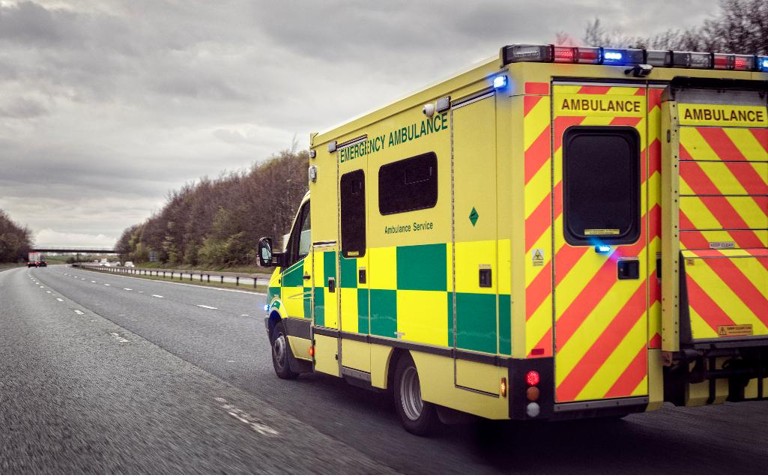
A national emergency may begin far away from a care service, but its consequences can arrive quickly. A cyberattack, severe storm, prolonged power failure, fuel shortage or disruption to communications could affect staff travel, medicines, food deliveries, digital records and contact with families at the same time. Providers cannot predict every emergency, but they are expected to understand how disruption could affect the people they support and have workable arrangements for maintaining safe care.
The starting point is a business continuity plan that reflects the actual service rather than relying on a generic template. CQC expects providers to identify potential threats, determine which services must continue and assign responsibility for activating and managing the response. The plan should cover staffing, utilities, premises, equipment, communications, IT recovery, evacuation and arrangements for returning to normal operation. It should also be available offline, because a document stored only on a cloud system may be inaccessible when it is needed most.
Providers should decide in advance which people would face the greatest risk if normal services were interrupted. This may include those who rely on time-critical medicines, oxygen, electrically powered equipment, support with eating and drinking, regular repositioning or help to understand changes in routine. Homecare services should also identify people living alone, those dependent on telecare and anyone whose family support may become unavailable during a wider emergency.
Staffing plans need to account for more than sickness absence. Public transport may stop, roads may become unsafe and employees may have childcare or caring responsibilities of their own. Providers should know which staff live nearby, who could safely work at another location, how shifts could be prioritised and what support is available through agencies or neighbouring services. Any emergency worker brought into the service must still receive enough information, supervision and instruction to deliver care safely.
Medicines and essential supplies require their own contingency arrangements. Providers should understand delivery schedules, identify time-sensitive items and maintain contact details for pharmacies, prescribers, equipment suppliers and commissioners. This does not mean accumulating inappropriate quantities of medication or supplies. It means knowing how long existing stock will last, what alternatives may be available and when a shortage must be escalated.
Communication is often one of the first systems to fail. Providers should hold current paper copies of essential telephone numbers, emergency contacts, staff details and key information about the people receiving care. Alternative methods may include mobile phones on different networks, text messages, radios, pre-agreed meeting points and physical welfare visits. Families should receive clear, factual updates, but staff must avoid making promises about restoration times or outcomes they cannot guarantee.
Care homes and supported-living services should maintain evacuation and relocation arrangements, including transport, accessible destinations and agreements with other organisations. A decision to evacuate should be based on the risks of remaining against the risks of moving people, particularly where residents are frail, distressed by change or dependent on specialist equipment. Providers should involve emergency services, commissioners and local authorities early rather than waiting until the situation becomes unmanageable.
CQC must be notified as soon as possible if an event prevents or threatens to prevent a provider from carrying on a regulated activity safely. This includes being unable to meet people’s assessed needs because of staffing or damage to the premises. CQC also requires notification when electricity, gas, water, sewerage, fire alarms, call systems or other safety equipment have failed for more than 24 hours. Other consequences of the emergency, including serious injuries, deaths, safeguarding concerns or police involvement, may require separate notifications.
Providers should also contact commissioners and the relevant local authority when continuity of care is at risk. Local systems may be able to coordinate mutual aid, emergency staffing, transport, equipment or temporary accommodation, but outside assistance should not be treated as a substitute for the provider’s own planning. Escalating early gives partner organisations more time to act.
Once the immediate danger has passed, the provider’s responsibilities continue. Managers should reconcile paper and electronic records, review missed or delayed care, check medicines, contact families and investigate any harm or near misses. The response should then be evaluated honestly so that weaknesses in staffing, communication, equipment or decision-making are corrected.
A national emergency does not remove the requirement to provide safe, person-centred care. It changes the circumstances in which that duty must be met. The strongest services will not be those with the longest emergency policy, but those whose staff understand the plan, have practised it and know exactly what to do when ordinary systems are no longer available.
Register with The Daily Round for the latest sector news, inspections & reports, wellbeing content, workforce insights, expert features and practical updates—delivered free to your inbox.
Posted by:
M Ramalani
Editorial Assistant – The Daily Round




Busy day? We’ve got you covered. Get FREE daily news, practical insights, opportunities and wellbeing content, carefully curated for busy health and social care professionals. Just enter your details below to get The Daily Briefing delivered straight to your inbox.
Busy day? We’ve got you covered. Get FREE daily news, practical insights, opportunities and wellbeing content, carefully curated for busy health and social care professionals. Just enter your details below to get The Daily Briefing delivered straight to your inbox.