

Leadership in Practice

Book recommendations, reviews and key takeaways to inspire leadership, personal growth, business success and professional development across the care sector. Discover titles such as Atomic Habits by James Clear, which examines how small changes can lead to lasting improvements, and Surrounded by Idiots by Thomas Erikson, which looks at different communication styles and how to better understand the people around you.
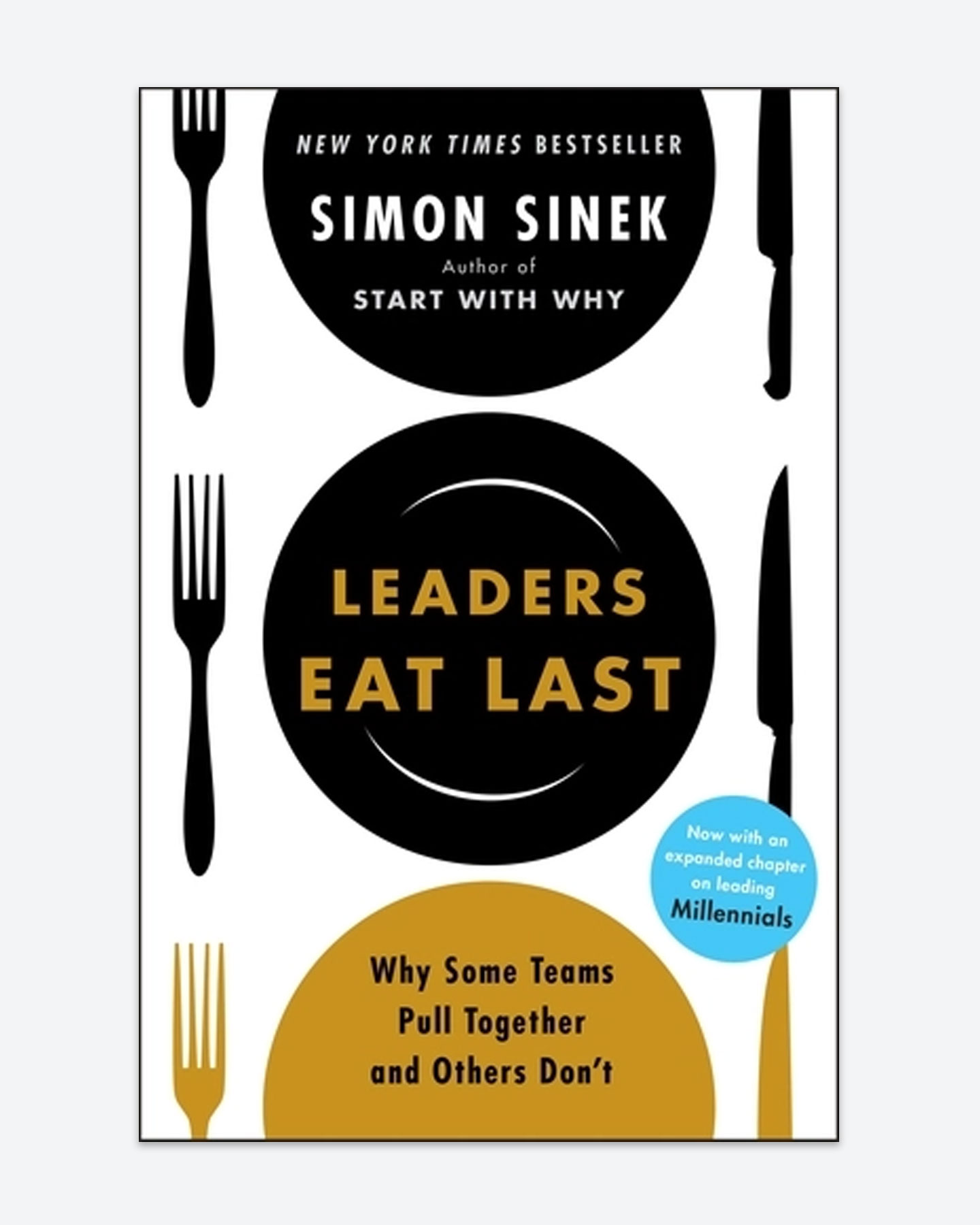



Some books arrive in your life at exactly the right time. Leaders Eat Last was one of those books for me.
My colleague Kathryn bought it for my birthday because we used to joke that I would still be sitting at my desk eating lunch while everyone else was leaving to go home for dinner. At the time, it was funny. Looking back, it probably said a lot about the pressure, pace and responsibility that often come with leadership.
I read the book a long time ago, but I remember enjoying it because its central message stayed with me: leadership is not about status, title or being served first. It is about creating an environment where people feel safe, supported and able to do their best work. That idea is why Leaders Eat Last has become such a popular leadership book.
Simon Sinek explores the difference between organisations where people feel protected by their leaders and organisations where people feel exposed, stressed or disposable. He argues that great leaders create what he calls a “circle of safety”, a culture where people trust each other, feel valued and know their leaders will not sacrifice them for short-term gain.
For leaders in health and social care, that message matters deeply. Care teams work under enormous pressure. They deal with emotional labour, staffing challenges, regulation, complex needs and the daily responsibility of supporting people who depend on them. In that environment, leadership cannot simply be about targets, rotas and compliance. It has to be about trust, consistency and psychological safety.
People provide better care when they feel cared for themselves. That does not mean leadership is soft or easy. In many ways, Leaders Eat Last reminds us that true leadership is demanding because it requires responsibility. Leaders have to make difficult decisions, protect their teams where they can and create cultures where people are not afraid to speak up, ask for help or admit when something is going wrong.
The book is also a useful reminder for leader wellbeing. Many leaders are so focused on looking after everyone else that they forget they are part of the system too. Eating last should not mean never eating at all. There is a difference between servant leadership and self-neglect, and that distinction is important.
In care, particularly, leaders often carry the emotional weight of the service. They worry about staff, residents, families, inspectors, finances and quality. Leaders Eat Last encourages us to think about how we build cultures of care not only for frontline teams, but for leaders as well.
This is a book for anyone who wants to lead with more courage, empathy and responsibility. It asks a simple but powerful question: do the people you lead feel safer because you are there?
Editor’s Rating: ★★★★★
Who should read it? Leaders, managers, business owners and anyone responsible for creating a healthy team culture.
Why it’s in the Leadership Library: Because the best leaders do not put themselves above their teams. They create the conditions where people feel safe, valued and able to thrive.
Jill NeweyEditor-in-Chief
Posted by:
Mehala
Editorial Assistant – The Daily Round
Busy day? We’ve got you covered. Get FREE daily news, practical insights, opportunities and wellbeing content, carefully curated for busy health and social care professionals. Just enter your details below to get The Daily Briefing delivered straight to your inbox.
 newsdesk@dailyround.news