

Wellbeing for Leaders

Book recommendations, reviews and key takeaways to inspire leadership, personal growth, business success and professional development across the care sector. Discover titles such as Atomic Habits by James Clear, which examines how small changes can lead to lasting improvements, and Surrounded by Idiots by Thomas Erikson, which looks at different communication styles and how to better understand the people around you.
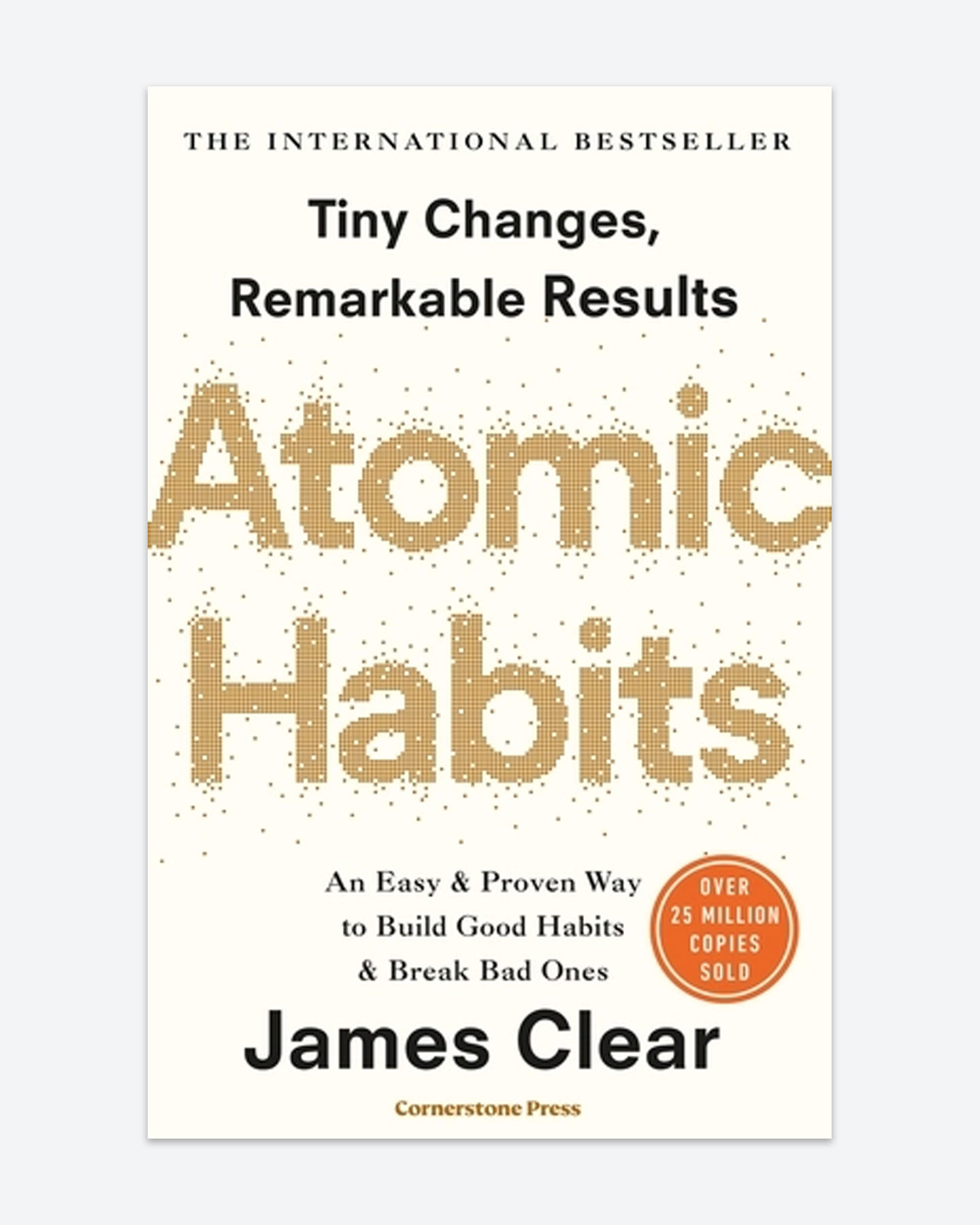
I honestly can’t tell you how many times people recommended Atomic Habits to me before I finally read it. It sat on my bookshelf for far longer than it should have. Every time someone mentioned it, I’d think, “I’ll get around to it.” Eventually, curiosity got the better of me, and I finally opened it.
Like so many readers before me, I quickly understood why it had been recommended so often. Atomic Habits isn’t about making huge, life-changing transformations overnight. Instead, James Clear argues that lasting success comes from making small, consistent improvements that compound over time. His central message is refreshingly simple: tiny habits, repeated consistently, can lead to remarkable results. It’s a concept that resonates because it’s achievable.
Rather than relying on motivation or willpower alone, Clear explores how our environment, routines and systems influence our behaviour. The book focuses less on setting ambitious goals and more on creating the daily habits that make those goals far more likely to happen.
It’s easy to see why Atomic Habits has become one of the most recommended personal development books of recent years. The ideas are practical, backed by research from behavioural science and psychology, and presented in a way that’s easy to understand and apply. Whether you’re trying to become healthier, more productive or a better leader, the principles are relevant because they’re based on how habits are formed and maintained.
For leaders in health and social care, the lessons feel particularly relevant. Running a care service often means juggling competing priorities, responding to unexpected challenges and making hundreds of decisions every day. In that environment, success rarely comes from one dramatic change. More often, it’s the result of small improvements made consistently over weeks, months and years.
That might mean introducing a better handover process, improving supervision meetings, making time for regular feedback, or creating simple daily routines that strengthen quality and safety. Small changes may seem insignificant in isolation, but over time they can contribute to stronger teams, better care and improved outcomes for the people who rely on your service.
The book also has an important message for leader wellbeing. Leadership can easily become reactive, with days disappearing into meetings, emails and urgent problems. Atomic Habits encourages readers to protect the small daily behaviours that support their own wellbeing, whether that’s taking a short walk, reading for ten minutes, exercising regularly, getting enough sleep or setting aside uninterrupted thinking time. These habits may appear minor, but they often become the foundation for better resilience, clearer decision-making and sustained performance.
One of the book’s greatest strengths is that it doesn’t ask you to become a different person overnight. Instead, it shows how consistent actions shape identity over time. Good habits don’t just change what you do, they gradually influence who you become.
Sometimes the most powerful changes aren’t the dramatic ones. They’re the small decisions we make every day without even noticing.
Editor’s Rating: ★★★★★
Who should read it? Anyone looking to build better habits, improve performance or create lasting personal and professional change.
Why it’s in the Leadership Library: Because extraordinary results are rarely built on extraordinary moments, they’re built on the small habits we choose to repeat every single day.
Readers looking for further inspiration can also view ourleadership book recommendations and our wellbeing book recommendations for practical ideas, while those interested in building better habits can view our guides on why small wins matter and making your inbox work for you for further tips on improving productivity and everyday working habits.
Posted by:
Mehala
Editorial Assistant – The Daily Round
Busy day? We’ve got you covered. Get FREE daily news, practical insights, opportunities and wellbeing content, carefully curated for busy health and social care professionals. Just enter your details below to get The Daily Briefing delivered straight to your inbox.


 newsdesk@dailyround.news