
 newsdesk@dailyround.news
UK News

<p>Stay up to date with the latest health and social care news from across the UK. From breaking stories and sector developments to the people, organisations and issues making the news.</p>
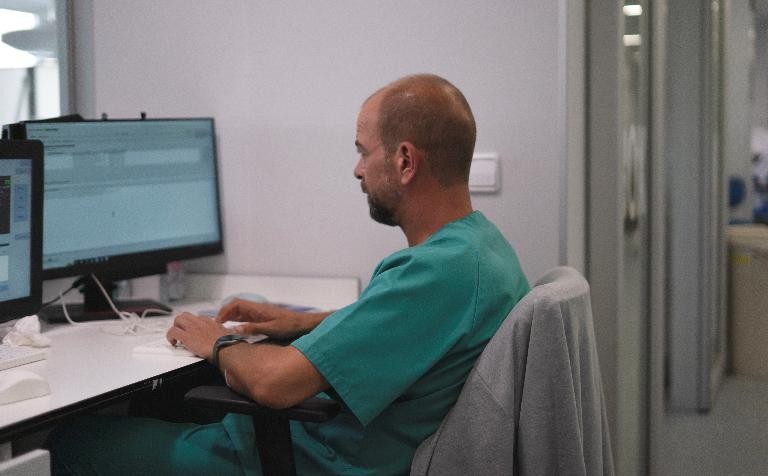
Thousands of NHS staff across South West London will gain access to artificial intelligence (AI) tools designed to reduce administrative workload following a successful pilot at St George’s Hospital.
The rollout forms part of NHS England’s wider investment in digital technology and will see AI-powered clinical documentation introduced across St George’s University Hospitals NHS Foundation Trust, Epsom and St Helier University Hospitals NHS Trust, Croydon Health Services NHS Trust, and Kingston and Richmond NHS Foundation Trust.
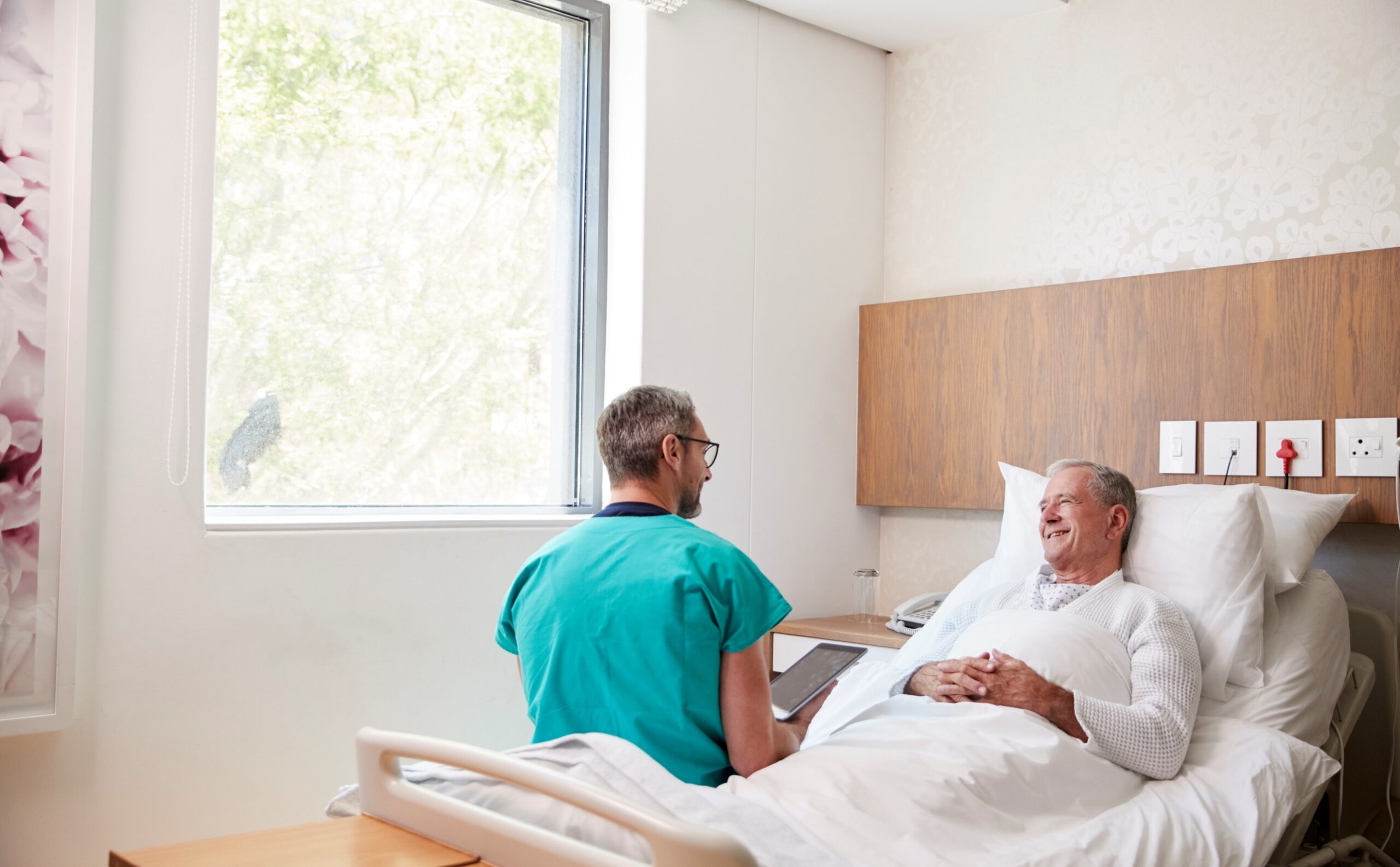
The technology uses ambient voice recognition to securely record conversations between clinicians and patients before generating draft clinical notes and summaries for review. Clinicians remain responsible for checking, editing and approving all documentation before it is added to a patient’s medical record.
The expansion follows a pilot in the Emergency Department at St George’s Hospital in Tooting, where NHS England reported the technology saved clinicians an average of 47 minutes per shift. The time saved enabled each clinician to see approximately one additional patient per shift, while reducing time spent on administrative tasks.
The South West London rollout is part of a wider national programme announced by NHS England to increase the use of AI across healthcare. Alongside clinical documentation tools, the NHS is expanding AI-supported patient triage through the NHS App and investing in new digital technologies intended to improve productivity, reduce waiting times and give clinicians more time to spend with patients.
NHS England says evidence from a national study led by Great Ormond Street Hospital found that ambient voice technology allowed clinicians to spend nearly 25% more time interacting with patients by reducing documentation time. The organisation estimates that widespread adoption across England’s emergency departments could create capacity for more than 9,000 additional A&E consultations each day.
The AI tools are being introduced to support clinical workflows rather than replace clinical decision-making, with healthcare professionals retaining responsibility for reviewing and approving patient records before they are finalised.
For the DR, I’d classify this under Technology & Innovation or Digital Health, as it’s a substantive NHS operational change backed by measured pilot results rather than a product announcement.
Register with The Daily Round for the latest sector news, exclusive investigations, wellbeing content, workforce insights, expert features and practical updates—delivered free to your inbox.
Posted by:
K Jadon
Editorial Assistant – The Daily Round
Busy day? We’ve got you covered. Get FREE daily news, practical insights, opportunities and wellbeing content, carefully curated for busy health and social care professionals. Just enter your details below to get The Daily Briefing delivered straight to your inbox.
Busy day? We’ve got you covered. Get FREE daily news, practical insights, opportunities and wellbeing content, carefully curated for busy health and social care professionals. Just enter your details below to get The Daily Briefing delivered straight to your inbox.