newsdesk@dailyround.news

UK News

Stay up to date with the latest health and social care news from across the UK. From children’s mental health crisis and new inspection guidance for prison education to women’s mental health after childbirth and employment reforms affecting UK employers, discover the stories and developments shaping the sector.
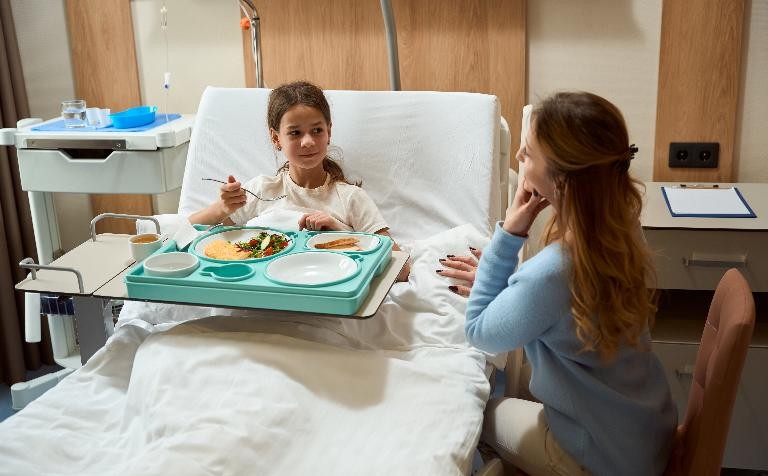
The number of children arriving at emergency departments in England with mental health concerns has risen sharply, with new figures showing the fastest increase among children aged just six to nine.
Analysis by the Royal College of Paediatrics and Child Health (RCPCH) found that 75,491 children and young people aged between six and 17 attended emergency departments with a recorded mental health concern during 2025. That was 36% higher than in 2019, when 55,525 attendances were recorded.
The increase among the youngest children was substantially greater. There were 6,269 mental health-related A&E attendances involving children aged six to nine in 2025, compared with 3,870 in 2019 – an increase of 62% in six years and the fastest rate of growth recorded among any age group analysed.
Paediatricians say the figures are particularly concerning because of the developmental vulnerability of younger children and the potential longer-term consequences when mental health problems are not identified and addressed early.
The figures also reveal a second problem: once children reach an emergency department, growing numbers are spending extremely long periods there while waiting for appropriate mental health support or somewhere safe to go next.
In 2019, 1,964 children and young people attending with mental health concerns remained in A&E for more than 12 hours. By 2025 that figure had reached 6,235, representing an increase of 217%.
Even more striking is the increase in children remaining in emergency departments for more than three days. Fifty-five children experienced waits exceeding 72 hours in 2019, compared with 338 in 2025 – an increase of 514%.
The RCPCH says emergency departments are an essential safety net but were never designed to provide prolonged care for children experiencing acute mental health difficulties. A busy A&E can involve bright lighting, constant noise, unfamiliar people and little privacy, potentially making an already distressing experience even more difficult for a child.
Professor Lynn Woolsey, chief nursing officer at the Royal College of Nursing, said long waits in such conditions could cause children who were already struggling to deteriorate further. She described the increase in children presenting in mental health crisis as evidence of a system in which families can be left with nowhere else to turn.
The figures do not necessarily mean that 75,491 individual children attended A&E, as the data relates to attendances and a child could potentially attend on more than one occasion. Nor does every recorded mental health concern represent the same type or severity of crisis. However, the scale and direction of the increase have prompted serious concern among paediatricians about the pressure on children, families and the services intended to support them.
The trend also predates the latest figures. RCPCH emergency-care standards published last year noted that Child and Adolescent Mental Health Services had experienced a 53% increase between 2020 and 2024 in children and young people presenting in mental health crisis and requiring emergency support. The College has also highlighted lengthy waits for community mental health services and workforce pressures within specialist child and adolescent psychiatry.
Dr Samantha Jones, RCPCH officer for mental health and a consultant in paediatric emergency medicine, has described a dramatic change during her 25 years working in children’s emergency departments. She said clinicians were seeing more children arriving in crisis, often at younger ages and with increasingly complex needs, including neurodivergent children, those awaiting assessments and children whose care placements had broken down.
This complexity matters because a child’s arrival at A&E can be the final stage of a much longer journey through different parts of the health and care system. Some may be waiting for a specialist mental health bed, while others need community support, an appropriate placement or arrangements that allow them to return home safely.
Dr Guy Northover, chair of the Royal College of Psychiatrists’ Faculty of Child and Adolescent Psychiatry, said prolonged stays in emergency departments can therefore be a sign of pressure elsewhere in the system. He warned that children too often cannot access care until they have reached crisis point and said dedicated specialist mental health provision for children within hospitals remains uneven across England.
The RCPCH is calling for the government’s forthcoming Mental Health Strategy to put greater emphasis on prevention and early intervention, improve access to community mental health services and strengthen crisis pathways so children who do require emergency help can receive appropriate care quickly.
The Department of Health and Social Care said no child should have to reach crisis point before receiving support. It pointed to the expansion of mental health support in schools and colleges and plans for more than 150 new mental health facilities, including community centres offering same-day walk-in support. The government says its Mental Health Strategy, expected later this year, will set out longer-term plans intended to help people earlier and reduce the number of young people requiring emergency care.
The challenge is not simply reducing the number of children who enter an emergency department. It is ensuring there is somewhere appropriate for families to turn before A&E becomes their only realistic option.
A six-year-old experiencing serious mental distress needs specialist, age-appropriate support, while a child who has reached crisis point should not then spend days in a busy emergency department waiting for the next stage of their care. The latest figures suggest England is struggling on both fronts: more children are reaching crisis, and when they do, too many are waiting far too long for the help they need.
Providers looking to explore similar support services can also view this guide to digital mental-health support for children and young people for further details on available support and approaches to improving children’s mental health.
Posted by:
K Jadon
Editorial Assistant – The Daily Round




Busy day? We’ve got you covered. Get FREE daily news, practical insights, opportunities and wellbeing content, carefully curated for busy health and social care professionals. Just enter your details below to get The Daily Briefing delivered straight to your inbox.
Busy day? We’ve got you covered. Get FREE daily news, practical insights, opportunities and wellbeing content, carefully curated for busy health and social care professionals. Just enter your details below to get The Daily Briefing delivered straight to your inbox.