newsdesk@dailyround.news

UK News

Stay up to date with the latest health and social care news from across the UK. From children’s mental health crisis and new inspection guidance for prison education to women’s mental health after childbirth and employment reforms affecting UK employers, discover the stories and developments shaping the sector.
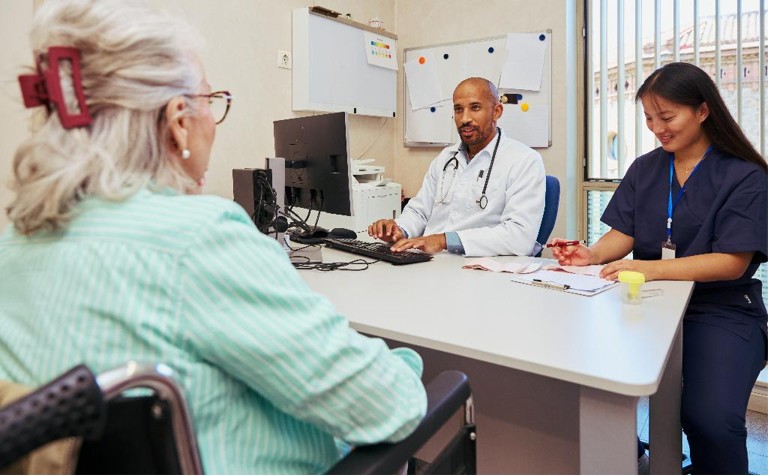
General practice leaders have warned against blaming GPs for rising hospital demand after the head of NHS England suggested easier access to primary care may be contributing to increased referrals.
Sir Jim Mackey told MPs that demand for urgent hospital care was 6% higher in September than during the same month in 2025. Elective demand had also grown, adding pressure to waiting lists and hospital capacity.
Mackey suggested that more patients securing GP appointments could mean previously unmet health needs are now being identified and referred into hospital services. However, he acknowledged that NHS England had not established the cause of the increase with certainty.
GP representatives said primary care should not become a scapegoat for wider pressure across the health service. They warned that long secondary-care waits must not create pressure on doctors to avoid clinically necessary referrals or delay investigations that patients need.
The dispute comes as general practice continues to report significant workforce and capacity problems. BMA figures show England had approximately 29,400 full-time-equivalent qualified GPs in September 2026, only 36 more than in September 2015, while the average number of patients per GP has increased by more than 10% over the same period.
Improved access to GPs may uncover conditions that require hospital treatment, but that does not mean the referrals are inappropriate. Health leaders will need to understand whether the rise reflects previously unmet need, changes in population health or insufficient capacity elsewhere before deciding how services should respond.
Register with The Daily Round for the latest sector news, inspections & reports, wellbeing content, workforce insights, expert features and practical updates—delivered free to your inbox.
Posted by:
M Ramalani
Editorial Assistant – The Daily Round



Busy day? We’ve got you covered. Get FREE daily news, practical insights, opportunities and wellbeing content, carefully curated for busy health and social care professionals. Just enter your details below to get The Daily Briefing delivered straight to your inbox.
Busy day? We’ve got you covered. Get FREE daily news, practical insights, opportunities and wellbeing content, carefully curated for busy health and social care professionals. Just enter your details below to get The Daily Briefing delivered straight to your inbox.