
 newsdesk@dailyround.news
UK News

<p>Stay up to date with the latest health and social care news from across the UK. From breaking stories and sector developments to the people, organisations and issues making the news.</p>
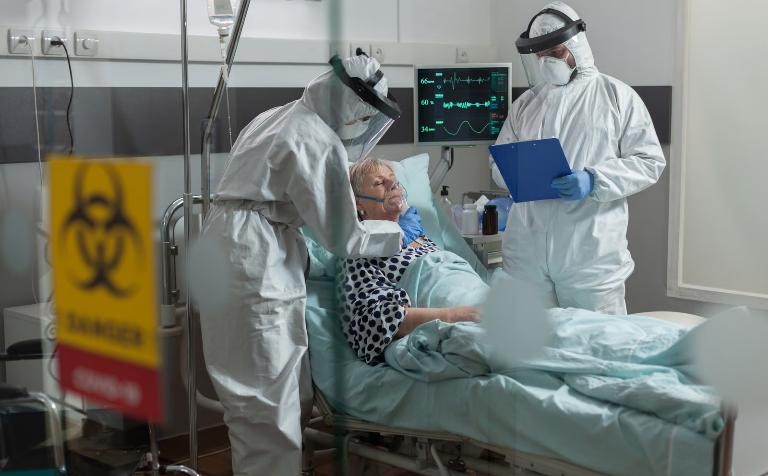
France has confirmed its first case of Ebola linked to the current outbreak in the Democratic Republic of the Congo, marking the first confirmed case in Europe during this outbreak.
The patient, a doctor who recently returned from a humanitarian mission, was identified quickly, admitted to a specialist hospital and isolated. French health authorities have also begun contact tracing to identify anyone who may have been exposed.
While the news may sound alarming, experts have stressed that the risk to the general public remains very low.
Ebola is a rare but serious viral disease that can cause severe illness and, in some cases, death. It spreads through direct contact with the blood or bodily fluids of an infected person who is showing symptoms, or through contaminated objects such as bedding or medical equipment.
Unlike viruses such as COVID-19 or influenza, Ebola is not airborne and does not spread through casual contact.
Symptoms usually develop between two and 21 days after infection and often begin suddenly.
Early symptoms include:
As the illness progresses, people may experience:
Early diagnosis and specialist treatment significantly improve the chances of survival.
At present, there are no confirmed Ebola cases linked to this outbreak in the UK, and the risk to the public remains extremely low.
The UK has well-established procedures for identifying suspected cases, particularly where an individual has recently travelled from an affected area. Hospitals have specialist isolation facilities, trained infectious disease teams and robust infection prevention and control measures designed to prevent onward transmission.
If a suspected case was identified, the individual would be isolated immediately and assessed by specialist clinicians. This operating procedure established by the UK Health Security Agency (UKHSA) and the NHS for handling High Consequence Infectious Diseases (HCIDs).
Anyone who had close contact with the patient would be traced and monitored for symptoms, while public health teams would work to minimise any risk of further spread.
These procedures have been tested during previous infectious disease outbreaks and form part of the UK’s preparedness planning.
For care providers, this news is a reminder of the importance of maintaining strong infection prevention and control practices rather than a cause for alarm.
The likelihood of an Ebola case presenting in a UK care home remains exceptionally low. However, providers should continue to ensure staff understand standard infection control procedures, recognise when a travel history may be clinically relevant and know how to escalate concerns appropriately.
The lessons learned from recent years have strengthened the sector’s ability to respond quickly to emerging infectious diseases. Good hand hygiene, appropriate use of personal protective equipment and prompt reporting of suspected infections remain the cornerstone of protecting both staff and the people they support.
As global travel continues to connect countries more closely than ever before, isolated imported cases are always a possibility. The key message for the care sector is one of preparedness, not panic.
Does news of rare infectious diseases influence how your organisation reviews its infection prevention and control procedures, or do you feel existing measures are already sufficient?
We’d love to hear your thoughts. Email editorial@dailyround.news and your views could be featured in a future edition of Daily Round.
The information published by Daily Round is intended for general information and educational purposes only. It should not be considered medical advice, diagnosis or treatment and must not replace guidance from a qualified healthcare professional.
If you have concerns about your health or the health of someone you support, always seek advice from a doctor, NHS 111, or another appropriately qualified medical professional. In a medical emergency, call 999 or attend your nearest Accident & Emergency department immediately.
While we make every effort to ensure the information we publish is accurate and based on reputable sources at the time of publication, medical knowledge and public health guidance can change. Readers should always refer to the latest guidance issued by the NHS, UK Health Security Agency (UKHSA), or other relevant public health authorities.
Posted by:
Mehala
Editorial Assistant – The Daily Round
Busy day? We’ve got you covered. Get FREE daily news, practical insights, opportunities and wellbeing content, carefully curated for busy health and social care professionals. Just enter your details below to get The Daily Briefing delivered straight to your inbox.
Busy day? We’ve got you covered. Get FREE daily news, practical insights, opportunities and wellbeing content, carefully curated for busy health and social care professionals. Just enter your details below to get The Daily Briefing delivered straight to your inbox.