
 newsdesk@dailyround.news
UK News

<p>Stay up to date with the latest health and social care news from across the UK. From breaking stories and sector developments to the people, organisations and issues making the news.</p>
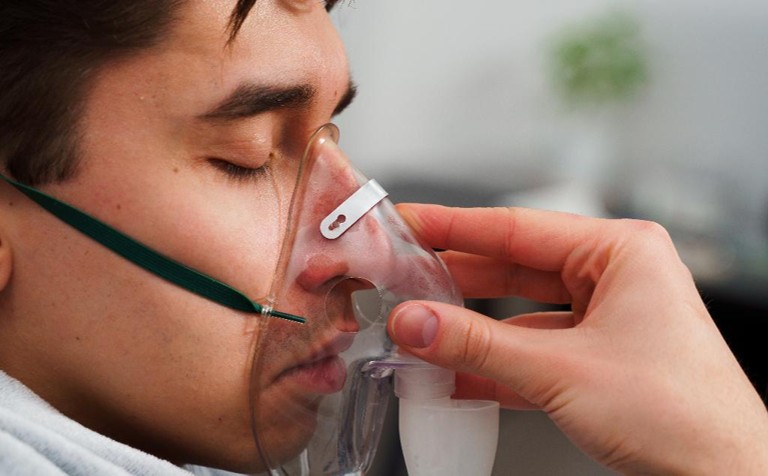
As the UK experiences more frequent heatwaves, flooding and extreme weather events, conversations about climate change are becoming increasingly difficult to ignore.
For many, the focus is on reducing carbon emissions and protecting the environment. But there is another side to the conversation that deserves equal attention.
From rising temperatures affecting vulnerable people to increased pressure on emergency departments during periods of extreme weather, the impact is already being felt across the sector.
The question is no longer whether climate change will affect healthcare. It’s what we all do next.
Healthcare exists to improve and protect people’s health, yet climate change is increasingly contributing to health problems around the world.
Hot weather can increase the risk of dehydration, heat exhaustion and heatstroke, particularly among older adults and people living with long-term health conditions. Poor air quality can worsen respiratory illnesses, while flooding and severe weather can disrupt access to healthcare services and place additional strain on emergency responders.
As these events become more common, healthcare organisations are not only responding to the consequences of climate change—they also have an opportunity to become part of the solution.
When people think about sustainability, they often picture hospitals. In reality, every part of the healthcare system can make a meaningful contribution.
Hospitals operate around the clock and require significant amounts of energy, water and medical supplies. Investing in energy-efficient buildings, reducing waste, embracing digital technology and making sustainable purchasing decisions can all help reduce environmental impact while improving long-term resilience.
Care providers can improve insulation, create cooler indoor environments during heatwaves, reduce food waste, improve recycling, install energy-efficient lighting and heating, and develop gardens that provide shade and enhance residents’ wellbeing.
Small operational changes can have a significant impact. Smarter route planning, digital care records, reducing unnecessary travel, paperless administration and transitioning to electric or hybrid vehicles can all contribute towards a more sustainable service.
General practices can continue reducing paper use through digital communications, encourage online services where clinically appropriate and adopt energy-efficient equipment and buildings.
Dental services generate considerable clinical waste, but there are opportunities to improve water efficiency, reduce unnecessary packaging, recycle where safe to do so and make more sustainable purchasing decisions.
Pharmacies play an important role in reducing medicines waste, promoting the safe return of unused medication and educating patients about responsible disposal.
As vehicle technology evolves, many ambulance services are exploring lower-emission fleets, more efficient route planning and sustainable estate management without compromising patient care.
Hospices can adopt environmentally responsible practices while continuing to provide compassionate, person-centred care. Sustainable catering, waste reduction, energy-efficient buildings and community partnerships can all make a difference.
Even after life has ended, sustainability remains an important consideration. Many funeral providers are now offering environmentally conscious options, including electric hearses, sustainably sourced coffins, woodland burials and lower-emission cremation technologies.
Creating a greener healthcare system isn’t solely the responsibility of leadership teams. Every member of staff can make small changes that collectively have a meaningful impact.
Simple actions include:
Individually these actions may seem small, but across the UK’s millions of health and care professionals, they can make a significant difference.
Many sustainability initiatives don’t just benefit the environment. Reducing energy consumption lowers operating costs. Digital systems reduce paper and printing expenses. Smarter fleet management saves fuel, while reducing waste can improve efficiency and free up resources that can be reinvested into frontline services.
For many organisations, becoming more sustainable is not simply an environmental decision—it’s a sound business decision.
Climate change will continue to shape the future of healthcare for decades to come.
The organisations that begin adapting today—by improving resilience, reducing waste and embedding sustainability into everyday practice—will be better placed to protect both the communities they serve and the environments they operate within.
Healthcare has always been about improving lives.
Perhaps one of the greatest opportunities facing the sector today is to improve the health of both people and the planet at the same time.
Has your organisation introduced initiatives to become more sustainable? Whether it’s reducing waste, improving energy efficiency or finding innovative ways to cut emissions, we’d love to hear what’s making a difference.
Email editorial@dailyround.news and your organisation could be featured in a future edition of Daily Round.
Posted by:
Mehala
Editorial Assistant – The Daily Round
Busy day? We’ve got you covered. Get FREE daily news, practical insights, opportunities and wellbeing content, carefully curated for busy health and social care professionals. Just enter your details below to get The Daily Briefing delivered straight to your inbox.
Busy day? We’ve got you covered. Get FREE daily news, practical insights, opportunities and wellbeing content, carefully curated for busy health and social care professionals. Just enter your details below to get The Daily Briefing delivered straight to your inbox.