newsdesk@dailyround.news

Care Sector Insights

Explore in-depth articles covering the issues, trends and changes shaping UK health and social care.
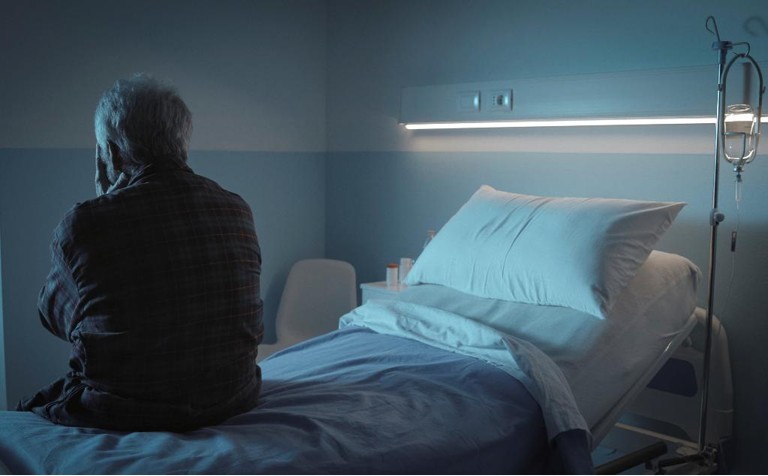
A power cut in a care service is not simply an inconvenience. Within minutes, electronic care records may become inaccessible, digital landlines and Wi-Fi can stop working, lifts may be unavailable and electrically powered equipment may move onto limited battery reserves. If the disruption continues, providers could also face difficulties with heating, lighting, food preparation, medicines storage, staffing and communication with families.
CQC expects providers to identify utility failures within their business continuity planning and make practical arrangements to maintain essential care. Its current guidance says plans should prioritise services such as administering medicines, providing food and safeguarding people. They should also identify who will take charge, how staff and commissioners will be contacted, what backup systems are available and when evacuation or relocation may become necessary.
For residential services, the first question is which essential equipment depends on electricity. This may include pressure-relieving mattresses, hoists, profiling beds, oxygen equipment, suction machines, stairlifts, call-bell systems, refrigeration and controlled-access doors. Managers should know whether each item has a battery, how long that battery lasts and what staff must do when it runs out. A generator is only useful if it is maintained, tested under a realistic load and supported by a reliable fuel and connection plan.
Providers must also consider the people behind the equipment. A lift failure may leave residents unable to reach bedrooms or evacuation routes. Loss of heating can quickly affect older people and those with certain health conditions, while a failed call-bell or telecare system may leave someone unable to summon assistance. Individual contingency arrangements should therefore reflect each person’s mobility, communication, health and behavioural support needs.
Digital records create another point of vulnerability. Staff still need access to care plans, risk assessments, allergies, medicine instructions and emergency contacts when tablets, computers or cloud systems cannot be reached. Keeping secure, current offline information for essential care, and ensuring staff know how to use paper MAR charts and record interventions manually can prevent an IT or electricity failure from becoming a medication or safeguarding incident.
Homecare providers face a different challenge because the outage may affect an entire area rather than one building. Offices could lose scheduling systems while people receiving care may be left without heating, telecare, powered medical equipment or a working digital landline. Services need a way to identify those at greatest risk, maintain an offline rota, contact staff through alternative channels and carry out welfare checks when telephone contact is impossible.
Care homes, supported-living services and eligible individuals should be registered for priority support with their electricity supplier and distribution network operator. This can provide advance notice of planned interruptions and additional assistance during an emergency, but it does not guarantee that the electricity will remain on or that a service will be restored first. Providers remain responsible for maintaining workable contingency arrangements.
A written plan is not enough if nobody has tested it. Managers should run a realistic exercise in which the power, Wi-Fi, lift and digital records are treated as unavailable. The test should establish whether night staff can find torches, whether emergency numbers exist on paper, whether backup batteries work and whether someone can report the outage by calling 105. Any gaps should be recorded, assigned to a responsible person and corrected.
The real test of emergency planning is not whether a policy looks convincing in a folder. It is whether, in a dark building with frightened residents and failing technology, staff can still deliver safe care without having to invent the response as they go.
Register with The Daily Round for the latest sector news, inspections & reports, wellbeing content, workforce insights, expert features and practical updates—delivered free to your inbox.
Posted by:
M Ramalani
Editorial Assistant – The Daily Round



Busy day? We’ve got you covered. Get FREE daily news, practical insights, opportunities and wellbeing content, carefully curated for busy health and social care professionals. Just enter your details below to get The Daily Briefing delivered straight to your inbox.
Busy day? We’ve got you covered. Get FREE daily news, practical insights, opportunities and wellbeing content, carefully curated for busy health and social care professionals. Just enter your details below to get The Daily Briefing delivered straight to your inbox.