newsdesk@dailyround.news
Care Sector Insights

Explore in-depth articles covering the issues, trends and changes shaping UK health and social care.

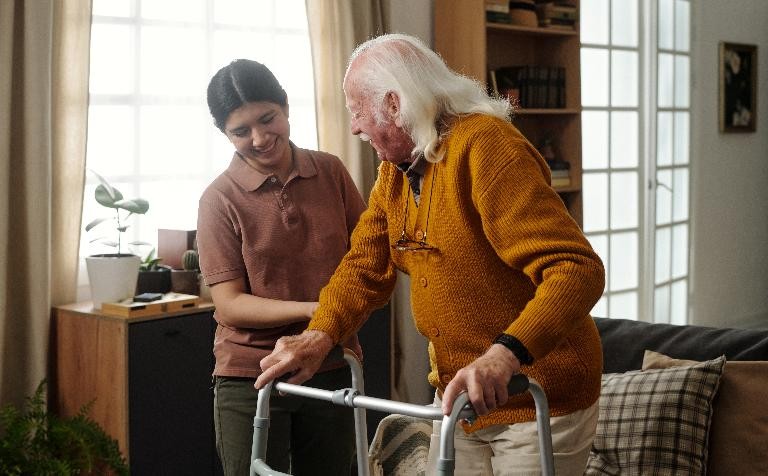
Millions of people provide unpaid care for somebody they love, but many do not think of themselves as carers. You might simply think of yourself as a husband looking after your wife, a daughter helping your mum, a parent supporting a disabled child or a friend making sure somebody gets to their medical appointments.
Yet recognising that you are an unpaid carer can be important, because it can give you access to practical support, financial help and employment rights that you may not realise are available.
An unpaid carer is generally someone who regularly supports a family member, partner, friend or neighbour who needs help because of illness, disability, frailty, a mental health condition or addiction. Caring can involve personal care and medication, but it can also mean shopping, cooking, managing appointments or finances, providing transport, keeping somebody safe or simply being the person they rely upon emotionally.
You do not need to live with the person you support and you do not need to provide round-the-clock care to be recognised as a carer.
One of the most important rights for adult carers in England is the ability to ask for a carer’s assessment from the local council.
This assessment is about you, not simply the person you care for. The council should look at how caring affects your physical and mental health, employment, relationships, education, free time and general wellbeing, as well as whether you are willing and able to continue providing care.
You can ask for an assessment even if the person you care for does not receive services from the council. The assessment itself is free and is separate from any care needs assessment carried out for the person you support.
It is worth being open about what caring actually involves. If you are regularly getting up during the night, missing work, cancelling plans, struggling physically with lifting or personal care, or feeling unable to leave the person alone, these things matter. A carer’s assessment is not a test of whether you are coping well enough; its purpose is to identify what might make your caring role more manageable.
Depending on your circumstances, support following an assessment could include help accessing respite, practical assistance around the home, equipment or training, support with transport, information about benefits or connections with local carers’ organisations and support groups.
Some unpaid carers can receive Carer’s Allowance. As of 2026, it is worth £86.45 a week.
To qualify, you generally need to spend at least 35 hours a week caring for somebody who receives a qualifying disability benefit. These include Attendance Allowance and certain components or rates of Personal Independence Payment and Disability Living Allowance.
You can work while receiving Carer’s Allowance, but earnings rules apply. Currently, your earnings must normally be £204 a week or less after tax, National Insurance and certain allowable expenses.
The rules can become more complicated if you receive other benefits or the State Pension, and claiming Carer’s Allowance can sometimes affect benefits received by you or the person you support. It is therefore worth checking your individual circumstances before making a claim rather than assuming that receiving Carer’s Allowance will automatically leave the household better off.
Even if you cannot receive Carer’s Allowance, you may be entitled to other support such as Carer’s Credit, which can help protect your National Insurance record.
Needing a break does not mean you have failed the person you care for.
Respite or short-break care can take many forms. Somebody might come into the person’s home for a few hours, they might attend a day service, or they could stay somewhere else for a short period while you rest, attend an event or simply have some time to yourself.
If you want your local authority to fund respite care, assessments will normally be needed. This may involve a carer’s assessment for you and a care needs assessment for the person you support. Whether the council ultimately pays towards the support will depend on the circumstances and applicable financial assessments.
It is worth asking about respite before you reach crisis point. Caring can become progressively more demanding, and many people adapt their lives around those demands without noticing how little time they still have for themselves.
Caring responsibilities do not necessarily mean you have to give up employment.
Employees have a statutory right to take up to one week of unpaid carer’s leave in every 12-month period to give or arrange care for a dependant with a long-term care need. This is a day-one employment right, meaning you do not need to have worked for your employer for a minimum period before becoming entitled to it.
The leave can be taken as a whole week or as individual days or half-days. Your employment rights, including your right to return to your job, remain protected while taking statutory carer’s leave.
Employees also have the right to request flexible working from their first day of employment. Depending on the job, this could mean asking to change working hours, working patterns or where you work.
There are separate provisions allowing employees to take reasonable time off to deal with emergencies involving a dependant. This is different from planned carer’s leave and can be important when something unexpected happens, such as a breakdown in care arrangements or an emergency involving the person you support.
The government is currently reviewing whether employment rights for unpaid carers should go further, so this is an area where entitlements may continue to change.
Unpaid carers can hold an enormous amount of knowledge about the person they support. You may know their normal behaviour, medications, routines, communication needs and the subtle signs that something is wrong better than anyone else.
That makes carers important partners in care, particularly when somebody is admitted to or discharged from hospital.
Being somebody’s carer does not automatically give you access to all of their confidential medical information; the person’s consent and their mental capacity remain important. But healthcare professionals should recognise the role carers play and, where appropriate, involve them in planning.
If somebody is being discharged from hospital and you are expected to provide significant care at home, you should make the hospital team aware of what you can and cannot realistically provide. Being a relative does not mean that unlimited care can simply be assumed.
If you believe the proposed arrangements are not manageable, say so clearly and ask what assessment and support will be put in place.
This may be the most important point in this article. Being an unpaid carer does not mean surrendering your own health, career, relationships or life indefinitely.
Sometimes caring responsibilities build slowly. You start by doing the shopping. Then you attend appointments. Then medication needs managing. Eventually you are helping somebody wash, waking during the night or becoming frightened to leave them alone.
At some point, what began as helping somebody you love can become a level of care that one person simply cannot sustainably provide.
If that happens, tell your local authority and ask for support. If the needs of the person you care for have increased, they may need a new care needs assessment. You can also request or revisit your own carer’s assessment.
You do not have to wait until everything has fallen apart before saying that the current arrangement is no longer working.
Carers can become so focused on somebody else’s health that their own gradually disappears down the priority list.
Tell your GP that you are an unpaid carer. Ask what support is available locally and make sure you continue attending your own appointments and health checks. If caring is affecting your mental health, sleep or physical wellbeing, say so.
Local carers’ organisations can also provide practical advice, emotional support and opportunities to meet people experiencing similar pressures. Your council should be able to tell you what support is available in your area.
The government published a new Unpaid Carers Action Plan for England in July 2026, built around recognising carers, referring them towards available help and enabling them to access opportunities and support. That recognition matters because many people can spend years providing substantial care before realising that the word “carer” applies to them.
If you regularly look after somebody who could not manage without your help, you may be an unpaid carer even if you have never used that description.
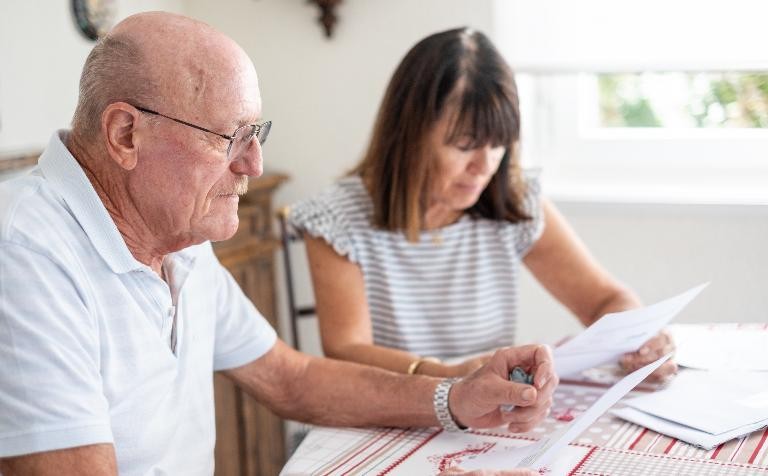
Write down everything you do during an ordinary week and how long it takes. Include the less obvious things: telephone calls, organising prescriptions, travelling to appointments, checking somebody is safe, managing paperwork, being awake during the night and providing emotional support.
Then ask yourself a different question.
Not simply “Can I keep doing this?”
But “What support would make this manageable for me too?”
Becoming recognised as an unpaid carer does not diminish the relationship you have with the person you love. It simply recognises that while you are supporting somebody else, you may need and be entitled to support as well.
Posted by:
K Jadon
Editorial Assistant – The Daily Round


Busy day? We’ve got you covered. Get FREE daily news, practical insights, opportunities and wellbeing content, carefully curated for busy health and social care professionals. Just enter your details below to get The Daily Briefing delivered straight to your inbox.
Busy day? We’ve got you covered. Get FREE daily news, practical insights, opportunities and wellbeing content, carefully curated for busy health and social care professionals. Just enter your details below to get The Daily Briefing delivered straight to your inbox.