newsdesk@dailyround.news
Global Care Stories

Discover the latest international news, inspiring frontline stories, innovation, best practice and real experiences shaping health and social care across the globe.
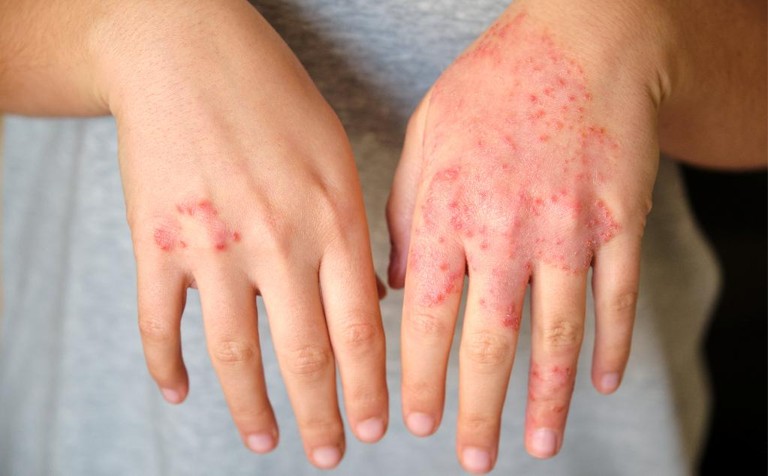
International health agencies are continuing to monitor mpox outbreaks around the world as the virus spreads into new areas and different strains circulate across multiple regions.
The World Health Organization published its latest multi-country mpox situation report on 14 September, providing updated surveillance of an outbreak that has continued to evolve well beyond the global surge first seen in 2022.
All major clades of the virus are now contributing to outbreaks in different settings. Of particular concern has been the geographical expansion of clade Ib, which was first detected in 2023 and has since established community transmission in parts of Africa and Europe. Clade IIb, which drove much of the international outbreak beginning in 2022, continues to circulate across all WHO regions.
Africa remains particularly affected. Madagascar has experienced sustained community transmission since December 2025 and earlier this year was reporting the largest ongoing mpox outbreak captured through global surveillance channels. Health authorities have expanded vaccination and treatment efforts, but WHO has highlighted challenges including limited healthcare capacity, vaccine supply and cold-chain difficulties.
Newer outbreaks are also being closely watched. Guinea-Bissau confirmed its first case in June 2026 and had recorded 10 confirmed cases by 23 August. No deaths had been reported, but health teams increased case finding and contact monitoring as evidence showed community transmission remained active.
WHO is urging countries to maintain surveillance, testing and reporting even where case numbers are relatively low. Continued monitoring is particularly important because different forms of the virus are spreading in different ways and outbreaks can move across national borders.
Efforts are also under way to improve access to vaccines. A new global mpox vaccine stockpile was launched in August to provide countries with a more reliable way of accessing doses when outbreaks occur, rather than having to secure supplies after an emergency has already begun.
Mpox primarily spreads through close contact with someone who has the infection, including sexual contact, although transmission can also occur through contaminated objects and, in areas where the virus circulates in animals, from animals to people. Symptoms can include a painful rash, fever and swollen lymph nodes, and some people can become seriously ill.
The continuing outbreaks are a reminder that global health emergencies do not necessarily disappear when they leave the headlines. Surveillance, vaccination, rapid identification of new cases and cooperation between countries remain central to preventing local outbreaks from developing into wider health threats.
Register with The Daily Round for the latest sector news, inspections & reports, wellbeing content, workforce insights, expert features and practical updates—delivered free to your inbox.
Posted by:
M Ramalani
Editorial Assistant – The Daily Round



Busy day? We’ve got you covered. Get FREE daily news, practical insights, opportunities and wellbeing content, carefully curated for busy health and social care professionals. Just enter your details below to get The Daily Briefing delivered straight to your inbox.
Busy day? We’ve got you covered. Get FREE daily news, practical insights, opportunities and wellbeing content, carefully curated for busy health and social care professionals. Just enter your details below to get The Daily Briefing delivered straight to your inbox.