newsdesk@dailyround.news
UK News

Stay up to date with the latest health and social care news from across the UK. From breaking stories and sector developments to the people, organisations and issues making the news.
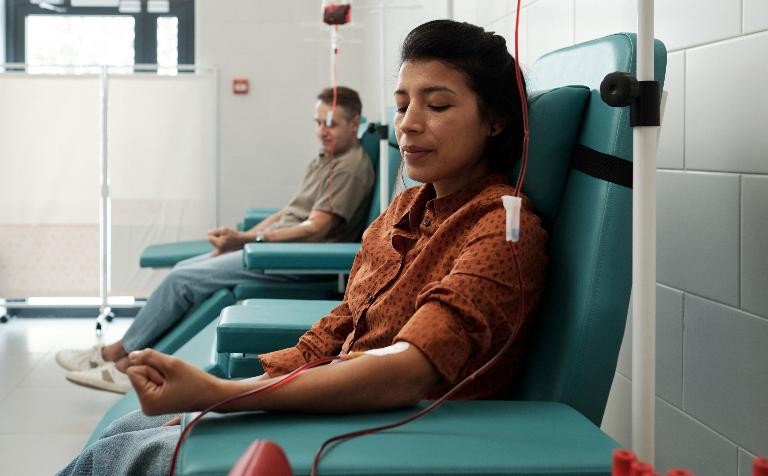
NHS leaders are calling for thousands more people to become regular blood donors as England marks 20 years of universal newborn screening for sickle cell disorder, with demand for lifesaving transfusions now growing faster than donated blood can be collected.
Newborn screening has transformed the way sickle cell is identified and treated, allowing babies with the condition to be diagnosed before they become seriously unwell and connected with specialist healthcare from the beginning of their lives.
Twenty years on, more than 19,000 people are now living with sickle cell disorder in England, making it the country’s fastest-growing genetic condition. Advances in treatment have also meant more people are receiving regular blood transfusions and red cell exchanges to help prevent and manage the severe and painful crises associated with the condition.
However, the success of earlier diagnosis and improving treatment has created another challenge. NHS Blood and Transplant says it can currently supply only around half of the blood required by people with sickle cell who depend on regular transfusions.
At least 16,000 additional blood donors of Black heritage are now estimated to be needed to meet current demand, which would require the existing donor base to grow by around three-quarters.
Finding closely matched blood is particularly important for people receiving repeated transfusions. People of Black heritage are ten times more likely than white people to have the Ro blood subtype, which is especially important in treating people living with sickle cell.
There has already been significant progress in attracting more donors. The number of blood donors of Black heritage has increased by 120% over the past decade, but NHS leaders say demand for blood to treat sickle cell is increasing faster than supply.
The impact donated blood can have is illustrated by 23-year-old law graduate Caroline “Caz” Fyneface, from Croydon, who was among the first generation of babies diagnosed with sickle cell through the NHS Newborn Blood Spot Screening Programme.
Caz experienced relatively few symptoms during her early childhood before suffering her first serious sickle cell crisis at 13. Hospital admissions subsequently became increasingly frequent, sometimes occurring every month or two and affecting her education, friendships and physical and mental health.
In January 2024, she began receiving regular red cell exchange treatment. Every seven weeks, between seven and eight bags of donated blood are used to remove her sickled red blood cells and replace them with healthy donated cells.
Since beginning the treatment, her hospital admissions have become less frequent and her crises are generally better controlled. She has completed a degree in Law with Criminology at Oxford Brookes University and is now preparing to qualify as a solicitor.
Her experience demonstrates how much has changed since universal newborn screening was introduced. Before screening became routinely available, some children were diagnosed only after becoming seriously ill, potentially with life-threatening complications.
Today, babies are offered screening for sickle cell as part of the newborn blood spot test, commonly known as the heel prick test. Early identification means families can receive information about the condition, children can be referred into specialist care and preventative treatment can begin before serious complications develop.
Between 260 and 350 babies a year in England are currently identified through newborn screening as having sickle cell disorder.
Treatment has evolved alongside diagnosis. More patients can now receive proactive blood transfusions or full red cell exchanges intended to reduce and manage the number of painful crises they experience rather than treatment beginning only once somebody is already seriously unwell.
Gerry Gogarty, Director of Blood Supply at NHS Blood and Transplant, said improvements in diagnosis and treatment over the past two decades mean more people with sickle cell now rely on regular transfusions than ever before.
He said donors play a vital role in keeping those patients alive and as well as possible, but warned that demand is currently increasing faster than the NHS can collect and supply the blood required.
The NHS is taking steps to make donation more accessible, including additional community sessions in areas with larger numbers of Black heritage donors, a new donor centre in Brixton and changes to haemoglobin testing. Registered donors of Black heritage have also been given priority access to donation appointments.
Dr Dianne Addei, Director of the National Healthcare Inequalities Improvement Programme at NHS England, said two decades of universal screening had given a generation of children the opportunity to receive earlier diagnosis and care.
She said building a donor population that better reflects the communities served by the NHS is fundamental to reducing inequalities in healthcare access, experience and outcomes.
Twenty years of newborn screening represents a significant public health achievement. Children who might once have become seriously ill before anybody knew they had sickle cell can now be identified and supported within the first weeks of their lives.
But diagnosis is only the beginning.
As those children grow up and treatments improve, the healthcare system must also have the resources required to support them throughout their lives. For thousands of people living with sickle cell, one of those resources cannot be manufactured or prescribed.
It has to be donated.
Posted by:
K Jadon
Editorial Assistant – The Daily Round


Busy day? We’ve got you covered. Get FREE daily news, practical insights, opportunities and wellbeing content, carefully curated for busy health and social care professionals. Just enter your details below to get The Daily Briefing delivered straight to your inbox.
Busy day? We’ve got you covered. Get FREE daily news, practical insights, opportunities and wellbeing content, carefully curated for busy health and social care professionals. Just enter your details below to get The Daily Briefing delivered straight to your inbox.