
 newsdesk@dailyround.news
UK News

Stay up to date with the latest health and social care news from across the UK. From breaking stories and sector developments to the people, organisations and issues making the news.
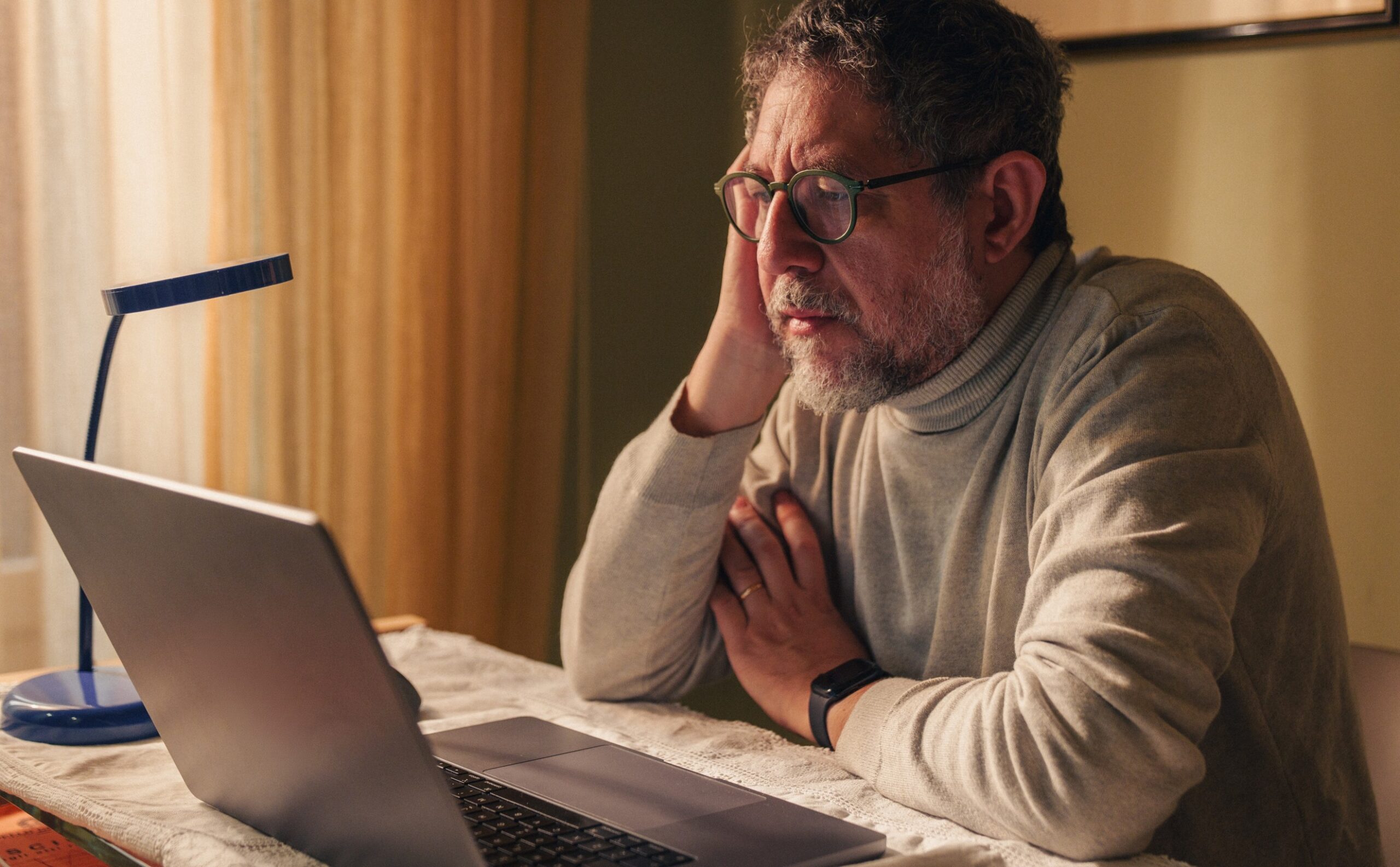
Artificial intelligence is increasingly described in dramatic terms. Headlines warn that it could take control, destroy jobs, manipulate humanity or even bring about the end of civilisation. For people who live alone or already feel anxious and isolated, those stories can be genuinely frightening.
Older people may be particularly affected. Someone who does not regularly speak to family, friends or colleagues has fewer opportunities to discuss what they have read and place it in context. A worrying headline encountered late at night can quickly grow into a much larger fear when there is nobody nearby to offer reassurance.
The short answer is that there is no evidence that an all-powerful machine is currently preparing to destroy humanity. Experts do debate how increasingly advanced systems should be controlled, but many of the most alarming predictions concern possible future scenarios rather than something happening today.
That does not mean AI is harmless. Its present dangers are more familiar and immediate: convincing scams, fabricated photographs and videos, false health information, automated discrimination and technology that can be used to exploit vulnerable people. These risks deserve serious attention, but they are very different from the idea that a conscious machine is about to take over the world.
Isolation can make these dangers harder to manage. A person who is lonely may be more willing to trust an apparently friendly chatbot, respond to a fraudulent message or believe a realistic video. AI companions may provide comfort, but they should not become a replacement for human relationships or be trusted with money, passwords, medical decisions or deeply personal information.
News organisations also have a responsibility to explain uncertainty properly. Asking whether AI could “wipe out humanity” may attract attention, but presenting speculative risks without context can leave readers feeling powerless. That is especially harmful when the audience includes people already living with anxiety, bereavement or limited social contact.
Anyone distressed by an AI story should pause before accepting its claims, check whether reputable organisations are reporting the same information and speak to someone they trust. If the fear is affecting sleep, appetite or daily life, discussing it with a GP or another healthcare professional is entirely reasonable.
AI will change parts of society, and legitimate questions remain about how it should be regulated. But nobody should be left alone believing that catastrophe is imminent. Sometimes the most important response to frightening technology is deeply human: conversation, connection and reassurance.
Posted by:
Mehala
Editorial Assistant – The Daily Round




Busy day? We’ve got you covered. Get FREE daily news, practical insights, opportunities and wellbeing content, carefully curated for busy health and social care professionals. Just enter your details below to get The Daily Briefing delivered straight to your inbox.
Busy day? We’ve got you covered. Get FREE daily news, practical insights, opportunities and wellbeing content, carefully curated for busy health and social care professionals. Just enter your details below to get The Daily Briefing delivered straight to your inbox.