
 newsdesk@dailyround.news
UK News

Stay up to date with the latest health and social care news from across the UK. From breaking stories and sector developments to the people, organisations and issues making the news.
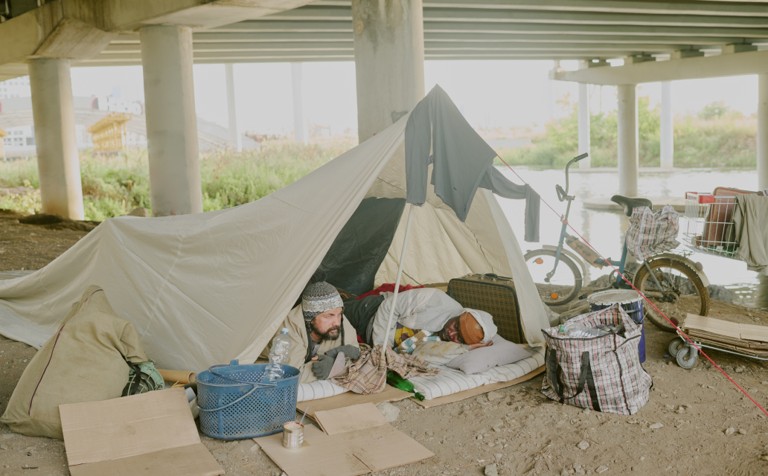
Government plans to end rough sleeping in England must address the serious health inequalities experienced by homeless people and protect access to specialist services, health leaders have warned.
The government’s national homelessness plan places greater emphasis on prevention and requires public services, including health organisations and local authorities, to work together to identify people at risk and connect them with support before they reach crisis point.
While the commitment has been welcomed, experts say providing accommodation alone will not be enough for people experiencing severe mental illness, addiction, trauma and long-term physical health problems.
The Royal College of Psychiatrists has highlighted the close relationship between homelessness and mental illness. People sleeping rough are considerably more likely to experience conditions including psychosis, depression and anxiety, while the instability and trauma associated with homelessness can worsen existing difficulties and make recovery harder.
Specialist inclusion health services are designed to reach people who may struggle to use mainstream healthcare because of stigma, inflexible appointment systems, difficulties registering with services or the instability of living on the streets. They can bring together physical healthcare, mental health support, substance-use treatment and help with housing and benefits.
The government’s plan recognises the need for specialist homelessness provision for people experiencing severe mental illness, entrenched rough sleeping and complex trauma. Integrated care boards are also expected to develop local approaches to improving urgent mental health support.
However, charities and clinicians are concerned that these commitments must lead to stable funding and services that remain involved after somebody has been housed. Without continuing support, people with complex needs may struggle to maintain a tenancy and face a return to homelessness.
Pathway, which supports specialist hospital teams for people experiencing homelessness, said its partner services helped almost 2,000 people during 2025–26. It argues that inclusion health teams can reduce health inequalities, improve hospital discharge and patient flow, and provide better value for NHS commissioners.
Ending rough sleeping therefore requires more than finding an available property. For people who have been repeatedly excluded from healthcare and other services, a secure home must be accompanied by accessible treatment, trusted relationships and sustained support if it is to offer a genuine route away from the streets.
Posted by:
K Jadon
Editorial Assistant – The Daily Round



Busy day? We’ve got you covered. Get FREE daily news, practical insights, opportunities and wellbeing content, carefully curated for busy health and social care professionals. Just enter your details below to get The Daily Briefing delivered straight to your inbox.
Busy day? We’ve got you covered. Get FREE daily news, practical insights, opportunities and wellbeing content, carefully curated for busy health and social care professionals. Just enter your details below to get The Daily Briefing delivered straight to your inbox.