newsdesk@dailyround.news
UK News

Stay up to date with the latest health and social care news from across the UK. From children’s mental health crisis and new inspection guidance for prison education to women’s mental health after childbirth and employment reforms affecting UK employers, discover the stories and developments shaping the sector.
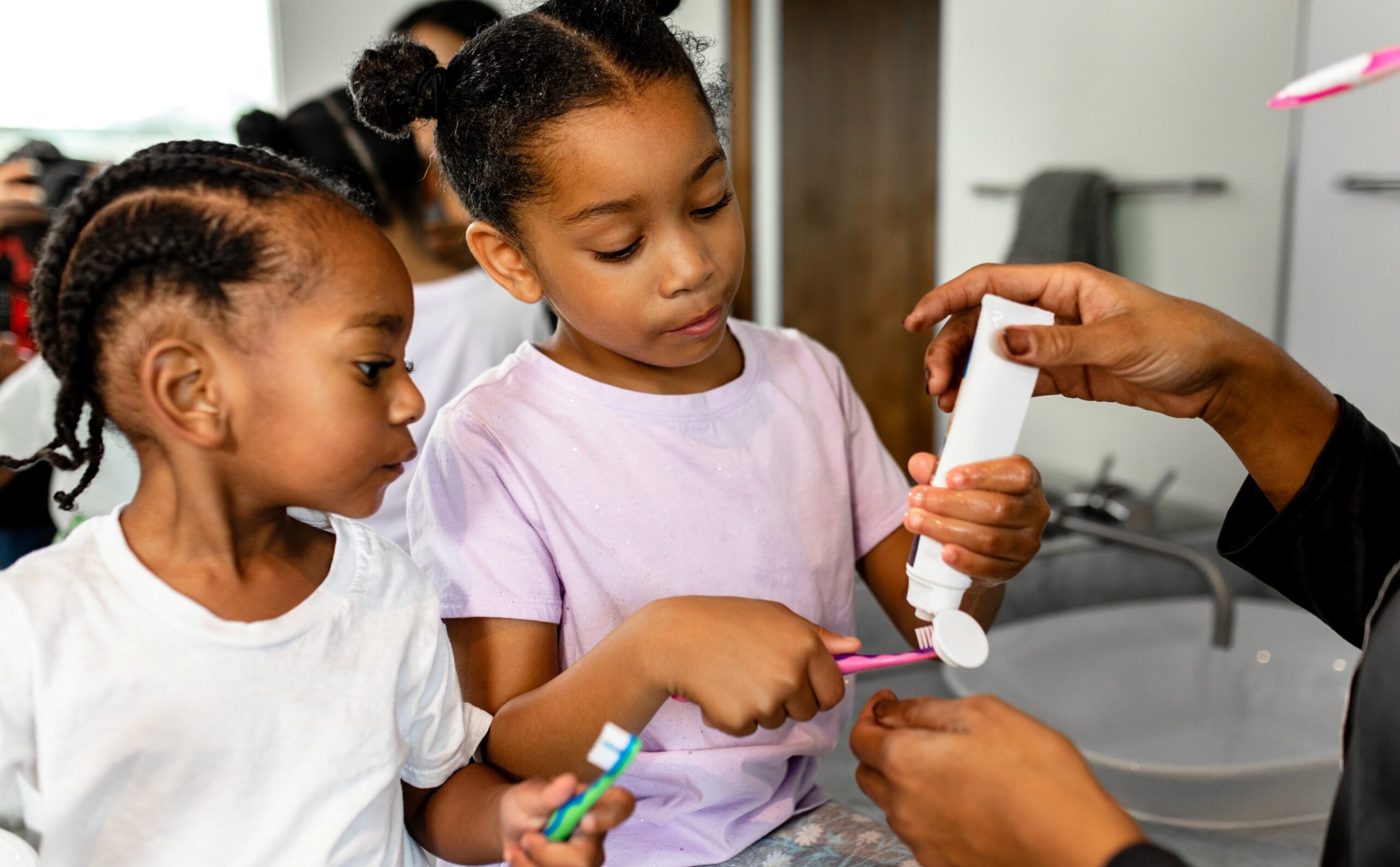
Hundreds of thousands of young children in England are being targeted with supervised toothbrushing lessons as health leaders attempt to tackle a largely preventable problem that is still sending thousands of children to hospital.
Up to 600,000 children aged between three and five are expected to be reached each year through a programme focused particularly on nurseries and primary schools in England’s most deprived communities. The idea is simple: help children develop good brushing habits with fluoride toothpaste from an early age and encourage those routines to continue at home.
The scale of the intervention reflects a much bigger problem with children’s oral health. More than one in five five-year-olds in England have experienced tooth decay, with the proportion rising to around one in three among children living in the most deprived areas.
For some children, the consequences extend far beyond needing a filling. More than 56,000 children and young people have had teeth extracted in English hospitals, with severe decay accounting for almost 34,000 procedures.
Tooth decay can also affect everyday childhood. Pain and poor oral health can interfere with children’s ability to sleep, eat, speak, play and socialise, while children may miss school because of dental problems. Parents and carers can also have to take time away from work to attend dental or hospital appointments.
It is this combination of preventability and inequality that has prompted a greater focus on intervening much earlier. Children growing up in more deprived communities are more likely to experience poor oral health and are also less likely to brush their teeth twice a day than children from less disadvantaged backgrounds.
The supervised toothbrushing programme is designed to reach some of those children before serious problems develop. Rather than adults brushing children’s teeth for them, youngsters are encouraged to brush their own teeth as a supervised group activity, helping them learn the technique and establish a daily routine.
The programme is voluntary for participating settings and is being coordinated through local authorities. Children are taught to use fluoride toothpaste, while toothbrushes, toothpaste and educational information can also be provided for families to encourage brushing to continue at home.
There is evidence that such a simple intervention can make a difference. Government guidance says daily brushing at school over a three-year period can help prevent tooth decay, while children living in the most deprived communities can experience significant reductions in decay within a year.
The government has invested £11 million in the national programme and entered a partnership with Colgate-Palmolive to provide more than 23 million toothbrushes and toothpastes over five years. The resources are expected to reach up to 600,000 children annually.
The focus on prevention also has implications for an NHS already treating the consequences of poor oral health. When the programme was announced, the government estimated that every £1 invested in supervised toothbrushing could save around £3 in future treatment costs, potentially avoiding more than £34 million in expenditure over five years.
But behind the financial argument are children experiencing pain and undergoing hospital procedures for a disease that can, in many cases, be prevented.
Teaching a three-year-old how to brush their teeth may appear to be one of the simplest public health interventions imaginable. The fact England is now trying to reach hundreds of thousands of children through nurseries and schools illustrates something much more significant: good oral health is not being experienced equally.
The challenge will be ensuring that the lessons children learn in the classroom become habits that continue at home. Supervised brushing is not intended to replace the role of parents and carers, but to give children an additional opportunity to develop a routine that could protect their health for years to come.
When almost 34,000 children and young people are undergoing hospital tooth extractions because of severe decay, prevention is no longer simply about teaching children how to clean their teeth. It is about tackling a childhood health inequality before children reach the point where treatment is needed.
Posted by:
Mehala
Editorial Assistant – The Daily Round




Busy day? We’ve got you covered. Get FREE daily news, practical insights, opportunities and wellbeing content, carefully curated for busy health and social care professionals. Just enter your details below to get The Daily Briefing delivered straight to your inbox.
Busy day? We’ve got you covered. Get FREE daily news, practical insights, opportunities and wellbeing content, carefully curated for busy health and social care professionals. Just enter your details below to get The Daily Briefing delivered straight to your inbox.