newsdesk@dailyround.news
Industry Insight

Stay up to date with the latest health and social care news from across the UK. From breaking stories and sector updates to emerging trends, challenges and innovations shaping care.
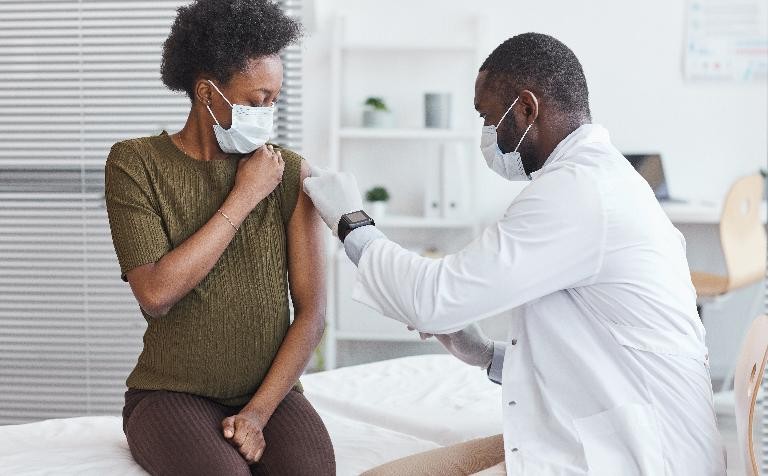
Questions about whether covid vaccines could increase the risk of miscarriage have resurfaced, but large studies and systematic reviews continue to find no evidence that vaccination raises the likelihood of pregnancy loss.
The issue was examined again by The BMJ in an article published on 28 August, amid continuing debate about covid vaccination during pregnancy. Miscarriage is common even without vaccination, particularly during the first trimester, which makes it difficult to interpret individual reports of pregnancy loss occurring after a vaccine without comparing them with the number of miscarriages that would ordinarily be expected.
One of the largest systematic reviews to examine the question analysed 21 studies involving almost 150,000 women. Researchers found a miscarriage rate of around 9% among vaccinated women and no statistically significant increase in miscarriage when vaccinated women were compared with those who had received no vaccine or a placebo. Rates of ongoing pregnancy and live birth were also similar between the groups.
More recent population-level research has reached similar conclusions. A Canadian study involving more than 246,000 pregnancies examined vaccination shortly before conception and during early pregnancy and found no association between covid vaccination and miscarriage after adjusting for other factors that could influence pregnancy outcomes.
Updated data from the US Centers for Disease Control and Prevention’s covid vaccine pregnancy registry have also provided reassurance. Researchers analysed more than 12,000 pregnancies in women who received an mRNA vaccine shortly before or during pregnancy and calculated a miscarriage risk of 10.79% between six and 20 weeks. That figure was below or within estimates recorded before the pandemic, with no meaningful difference between recipients of the Moderna and Pfizer-BioNTech vaccines.
A systematic review published in 2026 examining the Pfizer-BioNTech vaccine included 25 studies and more than 450,000 vaccinated pregnant women. Researchers found no increased risk of miscarriage, congenital abnormalities, premature birth, babies being small for gestational age, low birth weight or neonatal death. The authors did, however, acknowledge that detailed evidence specifically examining vaccination during the first trimester remains more limited than the overall pregnancy safety data.
The distinction between something happening after vaccination and being caused by vaccination is particularly important when discussing miscarriage. The Royal College of Obstetricians and Gynaecologists estimates that miscarriage occurs in around one in four to one in five recognised pregnancies in the UK, with most losses occurring during the first 12 to 13 weeks. With millions of people vaccinated during the pandemic, some miscarriages would therefore inevitably occur shortly after vaccination purely by coincidence.
Safety monitoring systems are designed to investigate whether those events occur more frequently than would normally be expected. The RCOG says analysis of reports submitted through the UK Medicines and Healthcare products Regulatory Agency’s Yellow Card scheme has not identified a pattern suggesting that covid vaccines increase the risk of miscarriage or stillbirth. Worldwide pregnancy data have similarly found miscarriage rates among vaccinated women to be comparable with rates among women who were not vaccinated.
There are limitations to the evidence. Pregnant women were largely excluded from the original clinical trials of covid vaccines, meaning much of what is known has come from observational studies, pregnancy registries and health records collected after vaccination programmes began. Researchers must also account for differences between vaccinated and unvaccinated populations, including age, underlying health conditions, previous pregnancy history and access to healthcare.
Those limitations are one reason scientists continue to monitor pregnancy outcomes rather than treating the issue as permanently settled. However, uncertainty about individual aspects of the evidence is different from evidence that vaccines cause miscarriage. Across multiple countries, study designs and hundreds of thousands of pregnancies, researchers have so far not identified an increased miscarriage risk associated with covid vaccination.
There are also risks associated with covid infection during pregnancy. Pregnancy itself increases the risk of becoming seriously unwell from covid, while infection has been linked with complications including premature birth and stillbirth, particularly among women who develop severe disease. Current guidance therefore considers both the potential risks of vaccination and the risks of remaining unprotected against infection rather than looking at vaccine safety in isolation.
For women who are pregnant, trying to conceive or worried about a previous pregnancy loss, individual circumstances can differ and vaccination decisions should be discussed with an appropriate healthcare professional. What the evidence does allow researchers to say with increasing confidence, however, is that the miscarriage rates seen after covid vaccination have not been higher than would normally be expected.
Posted by:
K Jadon
Editorial Assistant – The Daily Round



Busy day? We’ve got you covered. Get FREE daily news, practical insights, opportunities and wellbeing content, carefully curated for busy health and social care professionals. Just enter your details below to get The Daily Briefing delivered straight to your inbox.
Busy day? We’ve got you covered. Get FREE daily news, practical insights, opportunities and wellbeing content, carefully curated for busy health and social care professionals. Just enter your details below to get The Daily Briefing delivered straight to your inbox.