newsdesk@dailyround.news
UK News

Stay up to date with the latest health and social care news from across the UK. From children’s mental health crisis and new inspection guidance for prison education to women’s mental health after childbirth and employment reforms affecting UK employers, discover the stories and developments shaping the sector.
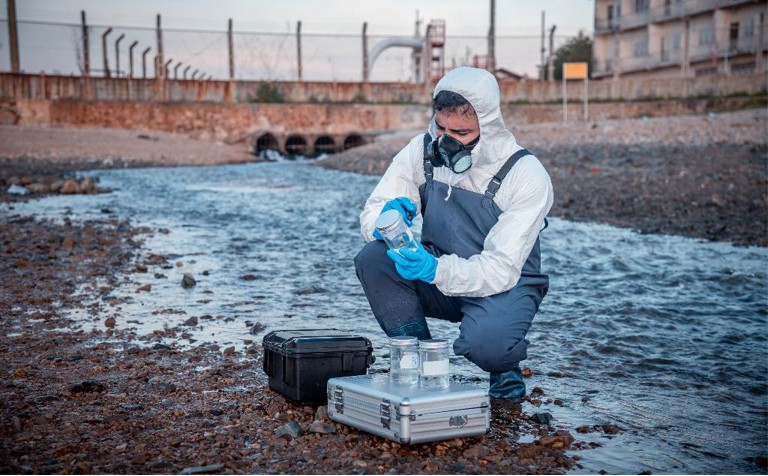
The UK Health Security Agency is expanding its wastewater surveillance programme to help identify dangerous infectious diseases before they develop into larger outbreaks.
Scientists are developing methods to detect 11 high-priority pathogens in sewage collected from treatment sites across England. The programme includes threats such as Lassa fever, Crimean-Congo haemorrhagic fever and hypervirulent Klebsiella pneumoniae.
Wastewater monitoring allows health officials to identify genetic traces of viruses and bacteria shed by infected people, including those who have not been tested or developed symptoms. Changes in the amount detected can provide an early indication that an infection is spreading within a community.
The work builds on the surveillance systems developed during the Covid-19 pandemic and the UK’s existing polio monitoring network, which covers 28 sewage sampling sites. Wastewater testing helped identify poliovirus in London in 2022, prompting further investigation and public health action.
The programme is supported by £1.3 million from the UK Integrated Security Fund and will assess technologies including genetic sequencing and machine learning. Other diseases being considered include mpox, West Nile virus and Lassa fever.
UKHSA said the approach could offer a cost-effective way to detect known diseases and potentially identify emerging pathogens. The findings would complement clinical testing and other surveillance rather than replace them, helping health services respond more quickly when a threat is detected.
Register with The Daily Round for the latest sector news, inspections & reports, wellbeing content, workforce insights, expert features and practical updates—delivered free to your inbox.
Posted by:
M Ramalani
Editorial Assistant – The Daily Round




Busy day? We’ve got you covered. Get FREE daily news, practical insights, opportunities and wellbeing content, carefully curated for busy health and social care professionals. Just enter your details below to get The Daily Briefing delivered straight to your inbox.
Busy day? We’ve got you covered. Get FREE daily news, practical insights, opportunities and wellbeing content, carefully curated for busy health and social care professionals. Just enter your details below to get The Daily Briefing delivered straight to your inbox.