
 newsdesk@dailyround.news

Inspection and Rating Reports

Explore the latest care inspections, ratings and regulatory developments across health and social care. From Outstanding care home ratings and hospice improvements recognised by the CQC to hospital inspections highlighting areas for improvement, discover the findings shaping standards of care across the sector.
Stay informed about wider regulatory changes, including the appointment process for the CQC’s new Chair.
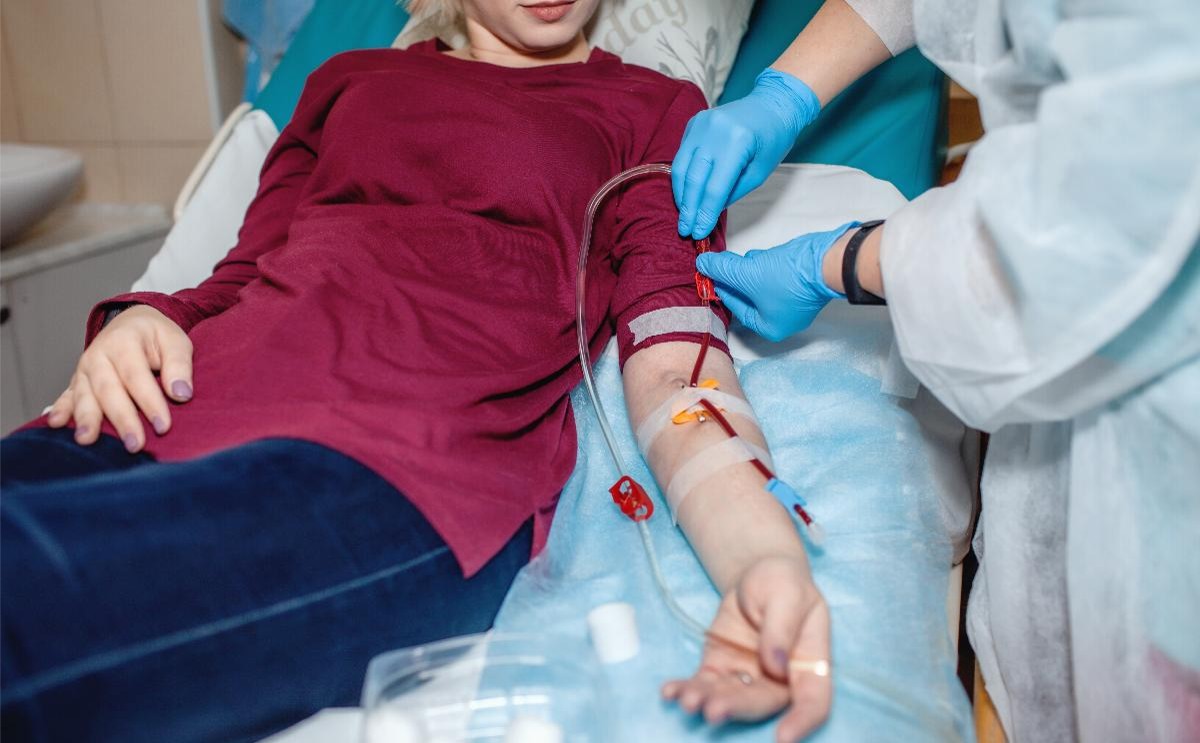
Scarborough NHS Dialysis Unit has been rated inadequate for safety, effectiveness and leadership following a Care Quality Commission (CQC) inspection that identified concerns about treatment delays, cleanliness, staffing and medicines management.
The independent unit, operated by Fresenius Medical Care Renal Services Limited, is located within the grounds of Scarborough Hospital and provides haemodialysis for people with end-stage renal disease.
The inspection took place in April as part of CQC’s routine monitoring. Although the service had been inspected previously, it had not received a rating.
CQC rated the unit inadequate for being safe, effective and well-led, while its caring and responsiveness were rated as requiring improvement. The service has been placed in special measures, meaning it will be closely monitored while improvements are made to protect patients.
CQC found that patients experienced delays in receiving dialysis treatment and in being disconnected from dialysis machines. According to the regulator, patients said these problems occurred regularly and had been raised with managers several times without effective action being taken.
Inspectors also found that the environment was not consistently clean or safe. Areas of visible dirt, contaminated surfaces and broken flooring in a toilet raised concerns about infection risks. Clutter in clinical areas restricted movement and affected staff’s ability to supervise patients appropriately.
The regulator said it had brought these concerns to the attention of service leaders and taken enforcement action to secure immediate improvements.
Inspectors found that leaders had not ensured sufficient numbers of suitably qualified, skilled and experienced staff were always available to meet patients’ needs.
The service was also unable to provide assurance about staff training records and competency assessments. CQC further identified concerns about the safe administration of medicines and found that lessons from incidents were not consistently used to improve practice.
Charlotte Rudge, CQC deputy director of operations in the north-east, said the findings raised serious concerns about the safety and appropriateness of care provided to people requiring dialysis.
CQC said it had outlined the improvements expected from leaders and would continue monitoring the unit closely to assess progress and help ensure patients remain safe.
The inspection findings highlight the need for improvements in treatment delivery, infection prevention, staffing, medicines management and leadership oversight.
Register with The Daily Round for the latest sector news, inspections & reports, wellbeing content, workforce insights, expert features and practical updates—delivered free to your inbox.
Posted by:
M Ramalani
Editorial Assistant – The Daily Round



Busy day? We’ve got you covered. Get FREE daily news, practical insights, opportunities and wellbeing content, carefully curated for busy health and social care professionals. Just enter your details below to get The Daily Briefing delivered straight to your inbox.
Busy day? We’ve got you covered. Get FREE daily news, practical insights, opportunities and wellbeing content, carefully curated for busy health and social care professionals. Just enter your details below to get The Daily Briefing delivered straight to your inbox.