newsdesk@dailyround.news
Global Care Stories

Discover the latest international news, inspiring frontline stories, innovation, best practice and real experiences shaping health and social care across the globe.
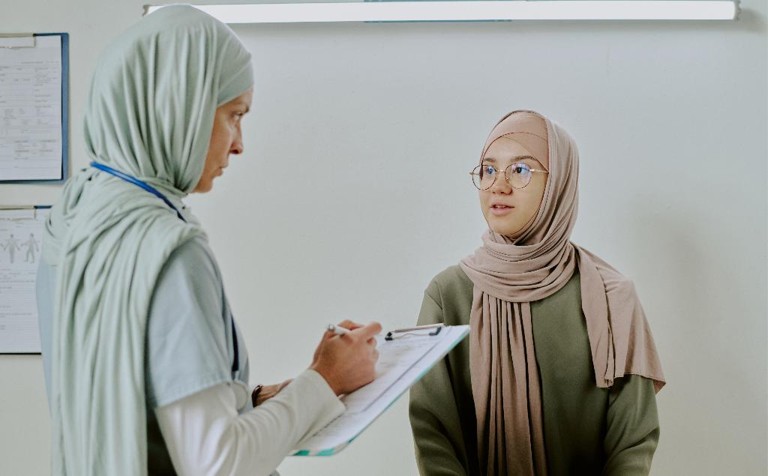
Restrictions imposed on women and girls in Afghanistan are creating an escalating public health emergency, experts have warned, as barriers to education, employment and movement reduce access to essential care.
Women can be required to travel with a male guardian and may face restrictions when seeking treatment from male healthcare professionals. This makes the availability of female doctors, nurses and midwives critical, particularly for maternity and reproductive healthcare.
However, bans preventing girls from continuing beyond secondary education and women from undertaking medical training are steadily reducing the future workforce. UNICEF estimates that Afghanistan could lose around 5,400 female healthcare workers by 2030 if the restrictions remain.
The consequences extend beyond women’s health. Female workers play an important role in childhood vaccination, community education and nutrition services, while mothers’ education is closely associated with antenatal care, immunisation and children’s health.
Afghanistan’s healthcare system is already under severe pressure from poverty, displacement, disease outbreaks and reduced international funding. Restrictions affecting female aid workers have made it harder for humanitarian organisations to reach women and children, particularly in rural communities.
Health and human rights organisations are calling for women to be permitted to study, work and travel freely. They warn that without urgent action, the declining number of trained female professionals will contribute to preventable deaths and cause lasting damage to the health of future generations.
Register with The Daily Round for the latest sector news, inspections & reports, wellbeing content, workforce insights, expert features and practical updates—delivered free to your inbox.
Posted by:
M Ramalani
Editorial Assistant – The Daily Round
Busy day? We’ve got you covered. Get FREE daily news, practical insights, opportunities and wellbeing content, carefully curated for busy health and social care professionals. Just enter your details below to get The Daily Briefing delivered straight to your inbox.
Busy day? We’ve got you covered. Get FREE daily news, practical insights, opportunities and wellbeing content, carefully curated for busy health and social care professionals. Just enter your details below to get The Daily Briefing delivered straight to your inbox.