
 newsdesk@dailyround.news
UK News

Stay up to date with the latest health and social care news from across the UK. From breaking stories and sector developments to the people, organisations and issues making the news.
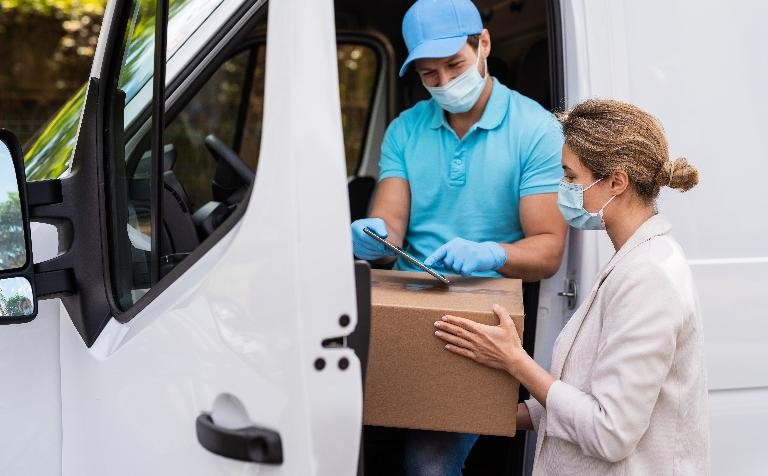
Nearly 200 lorry drivers responsible for delivering equipment and supplies to NHS hospitals across England are being balloted for strike action following a dispute over pay. The drivers are employed by logistics company GXO and work from sites including Bury St Edmunds in Suffolk, as well as Alfreton, Bridgwater, Normanton, Maidstone, Rugby and Washington. They drive HGVs and other vehicles carrying general equipment and supplies to hospitals across the country as part of the NHS Supply Chain operation.
Trade union Unite said workers had rejected a 4% pay offer from GXO by an almost unanimous margin and are now voting on whether to take industrial action. The ballot is due to close on 17 September, meaning no strike action has yet been confirmed.
GXO operates NHS logistics services for Supply Chain Coordination Limited, which manages NHS Supply Chain and is wholly owned by NHS England. According to Unite, GXO has said the pay offer cannot be increased because it is already higher than the increase offered to NHS workers.
The union argues that comparing the two groups does not reflect differences in their employment packages. It says the GXO drivers have less favourable terms and conditions than NHS employees, including substantially lower pension provision.
Unite general secretary Sharon Graham said the offer needed to be improved after its rejection by workers, while regional officer Phil Silkstone said industrial action could still be avoided if an acceptable offer was made.
Any eventual strike could have implications beyond the locations where the drivers themselves are based. GXO’s wider NHS Supply Chain logistics operation uses more than 300 delivery vehicles and supports the movement of millions of healthcare products each year, ranging from everyday hospital supplies to medical equipment.
NHS Supply Chain also has arrangements for urgent and emergency deliveries, meaning industrial action would not automatically leave hospitals without essential products. However, disruption involving drivers across several parts of England could place additional pressure on routine deliveries and require contingency measures if strikes go ahead.
For now, hospitals face the possibility rather than the certainty of disruption. The outcome of the ballot on 17 September will determine whether Unite has a mandate to call strike action, while negotiations could still resolve the dispute before drivers walk out.
Posted by:
K Jadon
Editorial Assistant – The Daily Round



Busy day? We’ve got you covered. Get FREE daily news, practical insights, opportunities and wellbeing content, carefully curated for busy health and social care professionals. Just enter your details below to get The Daily Briefing delivered straight to your inbox.
Busy day? We’ve got you covered. Get FREE daily news, practical insights, opportunities and wellbeing content, carefully curated for busy health and social care professionals. Just enter your details below to get The Daily Briefing delivered straight to your inbox.