
 newsdesk@dailyround.news
UK News

Stay up to date with the latest health and social care news from across the UK. From breaking stories and sector developments to the people, organisations and issues making the news.
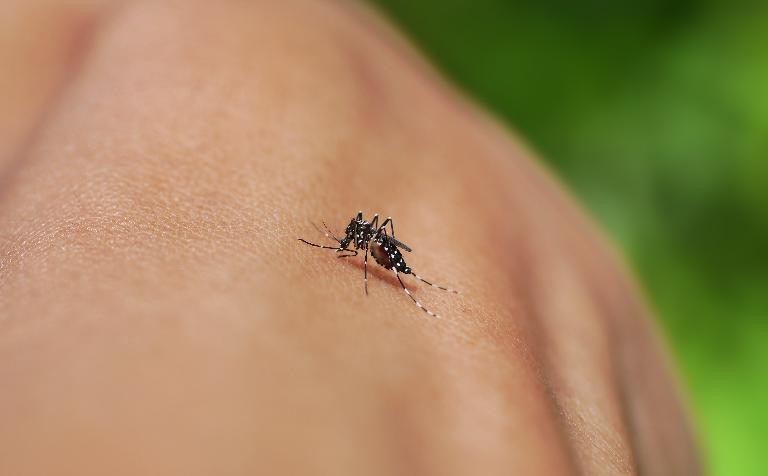
A mosquito species capable of transmitting dengue, Zika and other viruses has been found breeding in the UK for the first time, although health officials say the risk to the public remains very low.
The UK Health Security Agency (UKHSA) has detected Aedes aegypti mosquitoes and larvae at residential properties in east London and has introduced enhanced surveillance and trapping in response. The initial discovery was reported through the agency’s Mosquito Watch surveillance scheme. Control measures have since been used to destroy the larvae, while the surrounding area is being monitored for any further signs of the species.
Aedes aegypti, sometimes known as the yellow fever mosquito, is widespread in tropical and subtropical parts of the world and is capable of transmitting viruses including dengue, Zika, chikungunya and yellow fever. The mosquito has previously been detected in the UK on three occasions in recent years, but this is the first time evidence has been found that it was actually breeding.
UKHSA believes the mosquitoes were accidentally brought into the country rather than representing an established population. Invasive mosquitoes can travel considerable distances by hitching a ride in vehicles, luggage and imported plants before finding suitable conditions in which to reproduce.
Despite recent periods of hot weather, Britain’s climate is still considered too cold for Aedes aegypti to survive permanently. The species is particularly vulnerable to colder winters and is currently established in Europe only in parts of the Mediterranean. Officials have also found no evidence that the mosquitoes discovered in London have caused any human infections or that mosquitoes or larvae have spread into nearby public areas. However, the discovery is significant because climate change could make parts of the UK increasingly suitable for invasive mosquito species in the future.
UKHSA has warned that Britain is likely to experience further incursions as temperatures rise, while some mosquito species capable of transmitting disease are already becoming increasingly established across continental Europe.
Locally acquired dengue infections have been reported in countries including France, Italy and Spain in recent years, demonstrating how the changing geographical range of mosquitoes can alter the risk of diseases previously associated predominantly with tropical regions.
The UK currently has no established population of mosquitoes capable of sustaining local dengue transmission, and human dengue cases reported in the country have been associated with overseas travel. Health officials are therefore focusing on preventing invasive species from gaining a permanent foothold.
UKHSA is asking people to help reduce potential mosquito breeding sites by removing standing water from gardens and outdoor areas, including water collecting in buckets, plant pots, containers and paddling pools. Members of the public can also report unusual mosquitoes through the Mosquito Watch programme, which helps scientists identify invasive species arriving in the country.
The discovery does not mean dengue or Zika is now circulating in Britain, and officials are stressing that there is no immediate threat to the public. But finding Aedes aegypti breeding rather than simply arriving in the country provides another indication of why the UK’s changing climate and the movement of disease-carrying insects are being increasingly closely monitored.
Posted by:
K Jadon
Editorial Assistant – The Daily Round


Busy day? We’ve got you covered. Get FREE daily news, practical insights, opportunities and wellbeing content, carefully curated for busy health and social care professionals. Just enter your details below to get The Daily Briefing delivered straight to your inbox.
Busy day? We’ve got you covered. Get FREE daily news, practical insights, opportunities and wellbeing content, carefully curated for busy health and social care professionals. Just enter your details below to get The Daily Briefing delivered straight to your inbox.