
 newsdesk@dailyround.news

Global Care Stories

Discover the latest international news and developments affecting health and social care worldwide. From rising measles cases in the US to major global events, including the death of the world’s youngest reigning monarch at 34, explore the stories shaping communities and making headlines around the world.
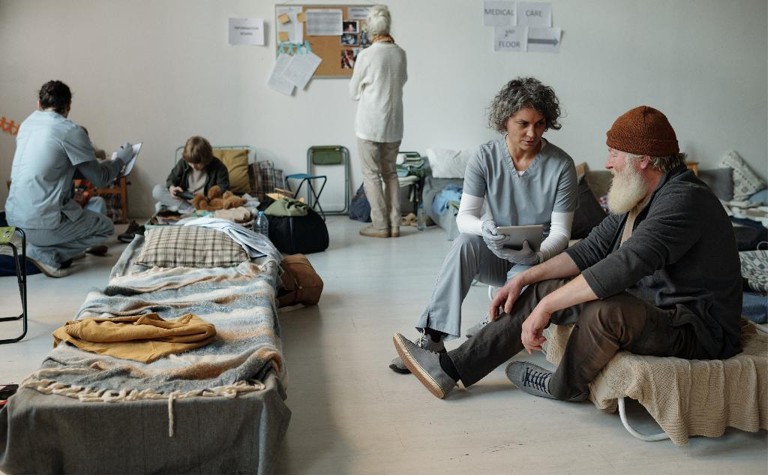
Gaza’s healthcare system remains close to collapse one year after a ceasefire agreement was announced, with hospitals still unable to operate fully and critical shortages continuing across essential services.
More than 100 humanitarian and civil society organisations have warned that the ceasefire has brought little meaningful recovery for patients or medical workers. None of Gaza’s 36 hospitals is fully functioning, while medicines, diagnostic equipment, fuel and specialist treatment remain severely limited.
The latest UN assessment found that only 47% of health service points were either fully or partially operational. Hospitals continue to report shortages of anaesthetic medicines, intravenous fluids, surgical supplies and treatments for conditions including cancer and diabetes. Diagnostic services have also been badly affected, with no MRI provision available across Gaza and very limited capacity for mammograms, scans and laboratory testing.
Thousands of people remain in urgent need of treatment outside Gaza. Humanitarian organisations estimate that more than 18,500 patients, including at least 4,000 children, require medical evacuation, while more than 1,000 people are reported to have died waiting.
Israel has said controlled arrangements allow essential medical equipment and supplies to enter Gaza while preventing materials from reaching Hamas. However, the World Health Organization has reported lengthy and unpredictable approval processes, with medical shipments waiting a median of 74 days for clearance and some essential equipment delayed or rejected.
Aid organisations say rebuilding hospitals alone will not be enough. Reliable humanitarian access, functioning water and sanitation services, medical evacuation routes and sustained supplies of medicines, fuel and equipment will all be needed to prevent further avoidable illness and deaths.
Register with The Daily Round for the latest sector news, inspections & reports, wellbeing content, workforce insights, expert features and practical updates—delivered free to your inbox.
Posted by:
M Ramalani
Editorial Assistant – The Daily Round

Busy day? We’ve got you covered. Get FREE daily news, practical insights, opportunities and wellbeing content, carefully curated for busy health and social care professionals. Just enter your details below to get The Daily Briefing delivered straight to your inbox.
Busy day? We’ve got you covered. Get FREE daily news, practical insights, opportunities and wellbeing content, carefully curated for busy health and social care professionals. Just enter your details below to get The Daily Briefing delivered straight to your inbox.