
 newsdesk@dailyround.news

Global Care Stories

Discover the latest international news and developments affecting health and social care worldwide. From rising measles cases in the US to major global events, including the death of the world’s youngest reigning monarch at 34, explore the stories shaping communities and making headlines around the world.
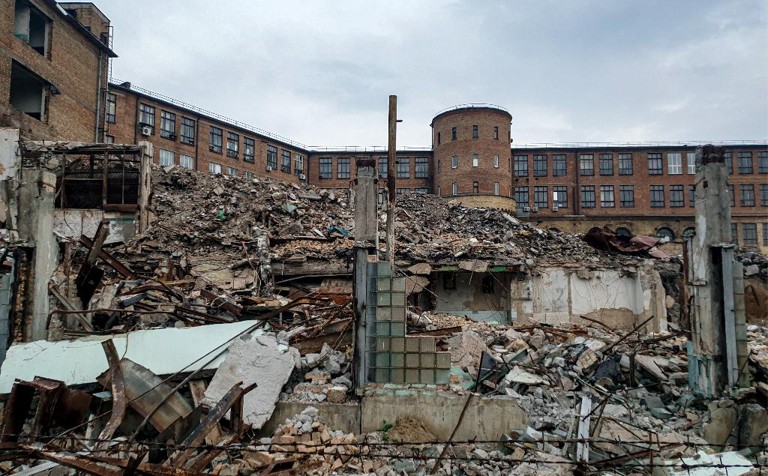
Hospitals, healthcare professionals and patients are facing daily attacks in conflict zones across the world, with the World Health Organization (WHO) warning of devastating and potentially long-lasting consequences for access to essential medical care.
A report published by the British Medical Journal (BMJ) on 23 November 2026 has highlighted the growing scale of violence against healthcare services, drawing attention to the experiences of medical professionals attempting to deliver lifesaving treatment in Gaza, Ukraine, Lebanon and other conflict-affected regions.
Figures released by the WHO in August revealed that 914 attacks on healthcare had been recorded during 2026, averaging more than four incidents every day. Since the organisation began monitoring such incidents in 2018, more than 10,400 attacks have been documented across 29 countries and territories.
In Gaza, all 36 hospitals had sustained damage by August 2026, with only around half remaining partially operational. Healthcare professionals continue to face severe shortages of medical equipment, medicines and essential supplies, limiting their ability to provide routine and emergency treatment.
In Ukraine, more than 3,000 incidents affecting healthcare have been verified since Russia’s full-scale invasion began in 2022. Disruption to medical infrastructure, transport and supply networks continues to undermine access to essential treatment.
The consequences extend far beyond the immediate damage caused by an attack. Patients with cancer, diabetes, cardiovascular disease and other long-term conditions may experience interruptions to treatment, while pregnant women, children, older people and individuals with disabilities face additional barriers to accessing essential services.
WHO research examining attacks on healthcare in northwest Syria found that outpatient consultations declined by 51% following an incident, with disruption continuing for more than a month. Such findings demonstrate how damage to healthcare infrastructure can have lasting consequences for entire communities.
Healthcare professionals working in conflict zones also face considerable psychological pressures. Delivering treatment with limited resources, experiencing repeated exposure to traumatic events and working under constant threats to personal safety can contribute to exhaustion, burnout and psychological distress.
The destruction of healthcare infrastructure also creates significant long-term rehabilitation and social care needs. Individuals who survive serious injuries may require lifelong assistance, mobility equipment, psychological support and specialist care, often in communities where these services are already severely disrupted.
International humanitarian law provides specific protections for medical personnel, patients and healthcare facilities during armed conflict. However, the WHO has raised concerns about accountability and the continuing failure to adequately protect healthcare services.
Humanitarian organisations continue to call for the protection of medical professionals, safe access to treatment and the uninterrupted delivery of essential medical supplies.
As conflicts continue across multiple regions, the consequences for healthcare systems are likely to extend for years beyond the fighting itself. Rebuilding hospitals, restoring essential services and supporting traumatised healthcare professionals will represent significant challenges for affected communities and the international humanitarian sector.
Register with The Daily Round for the latest sector news, inspections & reports, wellbeing content, workforce insights, expert features and practical updates—delivered free to your inbox.
Posted by:
M Ramalani
Editorial Assistant – The Daily Round


Busy day? We’ve got you covered. Get FREE daily news, practical insights, opportunities and wellbeing content, carefully curated for busy health and social care professionals. Just enter your details below to get The Daily Briefing delivered straight to your inbox.
Busy day? We’ve got you covered. Get FREE daily news, practical insights, opportunities and wellbeing content, carefully curated for busy health and social care professionals. Just enter your details below to get The Daily Briefing delivered straight to your inbox.