newsdesk@dailyround.news

UK News

<p>Stay up to date with the latest health and social care news from across the UK. From breaking stories and sector developments to the people, organisations and issues making the news.</p>
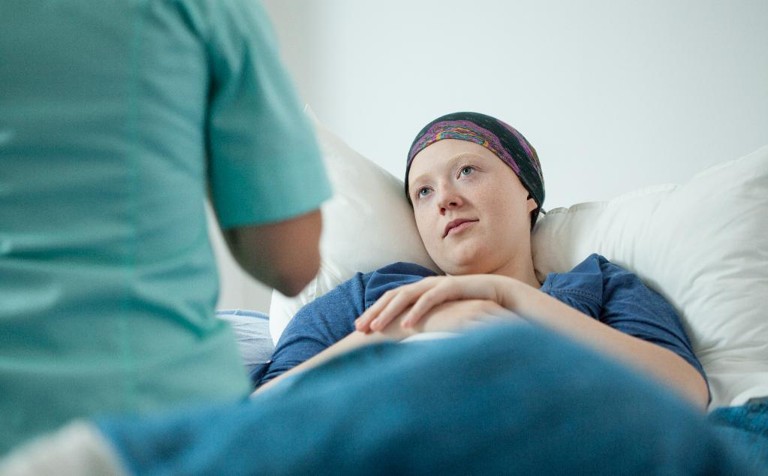
Cases of several cancers are rising among adults under 50, prompting calls for greater investment in research and prevention.
An analysis by the World Cancer Research Fund found statistically significant increases in early-onset cancers in England, the United States and the Netherlands. Although cancer remains far more common among older adults, researchers said the scale and consistency of some increases were concerning.
In England, prostate cancer cases among men under 50 rose from 158 in 2001 to 640 in 2023. The age-specific incidence rate increased from one to 3.6 cases per 100,000 people during the same period.
Bowel cancer also increased substantially. Cases among men under 50 rose from 662 to 1,506, while the incidence rate more than doubled. Among women, the rate of bowel cancer increased from 3.8 to 8.3 cases per 100,000.
Researchers also identified significant upward trends in breast, kidney, liver, pancreatic and womb cancers among younger adults. Breast cancer remained the most frequently diagnosed cancer in women under 50, with cases in England increasing from 6,886 in 2001 to 8,507 in 2023.
The reasons for the rise are not fully understood. Better diagnostic tests, improved awareness and changes in the number of people seeking medical help may explain part of the increase, but researchers do not believe these factors provide a complete answer.
Possible contributors include rising levels of obesity, physical inactivity, alcohol consumption and diets containing large amounts of red or processed meat, fast food and sugary drinks. Scientists are also examining environmental pollution, antibiotic exposure, changes to the gut microbiome and whether younger generations may be ageing biologically at a faster rate.
However, the findings do not mean that every younger person is suddenly at high risk of developing cancer. Age remains the most significant overall risk factor, and most diagnoses continue to occur in people aged over 50.
The World Cancer Research Fund said more detailed research was needed to understand why particular cancers are becoming more common among younger generations. A major UK study is preparing to follow 250,000 people to investigate the lifestyle, dietary and biological factors that may contribute to early-onset bowel cancer.
The figures also underline the importance of taking persistent or unexplained symptoms seriously, regardless of age. Unusual bleeding, a new lump, lasting changes in bowel habits, unexplained weight loss or pain that does not go away should be discussed with a healthcare professional.
Researchers stressed that no single behaviour can explain the increase—and that developing cancer is never an individual’s fault. Nevertheless, maintaining a healthy weight, remaining active, avoiding smoking and limiting alcohol can reduce the risk of several cancer types while scientists continue searching for clearer answers.
Register with The Daily Round for the latest sector news, inspections & reports, wellbeing content, workforce insights, expert features and practical updates—delivered free to your inbox.
Posted by:
M Ramalani
Editorial Assistant – The Daily Round



Busy day? We’ve got you covered. Get FREE daily news, practical insights, opportunities and wellbeing content, carefully curated for busy health and social care professionals. Just enter your details below to get The Daily Briefing delivered straight to your inbox.
Busy day? We’ve got you covered. Get FREE daily news, practical insights, opportunities and wellbeing content, carefully curated for busy health and social care professionals. Just enter your details below to get The Daily Briefing delivered straight to your inbox.