
 newsdesk@dailyround.news
UK News

Stay up to date with the latest health and social care news from across the UK. From breaking stories and sector developments to the people, organisations and issues making the news.
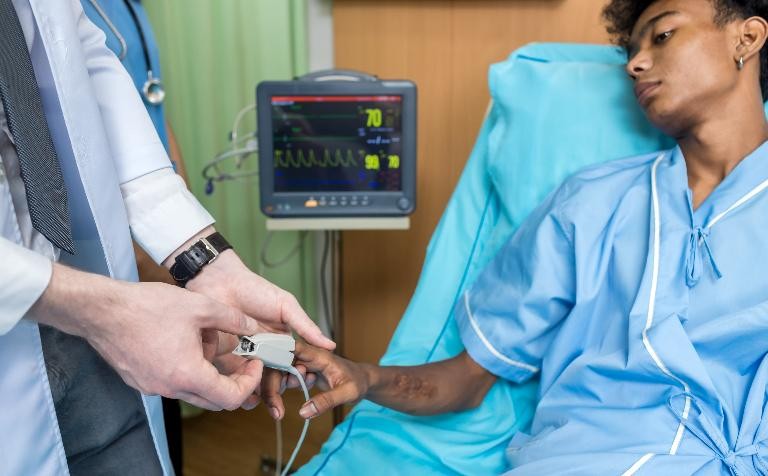
An artificial intelligence tool capable of detecting signs of heart disease from a routine ECG in less than two seconds is being trialled by the NHS, with researchers hoping it could help patients receive earlier diagnosis and treatment.
Developed by researchers at Imperial College London, the technology analyses information contained within an electrocardiogram that may not normally be visible to the human eye. It has been designed to identify signs associated with heart failure and heart valve disease.
The technology was trained using millions of ECGs before being tested on tens of thousands of hospital patients in the United States. Testing found it could identify up to 81% of patients with heart failure and up to 90% of those with a common form of heart valve disease.
Chelsea and Westminster Hospital NHS Foundation Trust is now helping to lead an NHS trial across London and Bristol involving 590 patients. The research team believes the technology could potentially be ready for routine clinical use within two years.
The AI does not provide a definitive diagnosis and would not replace further cardiac investigations. Instead, it could help identify people at higher risk who should be prioritised for an echocardiogram, an ultrasound scan used to examine the structure and function of the heart.
This could be particularly valuable when patients face lengthy waits for heart scans. Researchers also believe the technology could eventually analyse ECGs performed for other reasons, potentially identifying signs of heart disease in people whose condition had not previously been suspected.
The research has been funded by the British Heart Foundation and was presented at the European Society of Cardiology Congress in Munich. The NHS trial will now provide further evidence about how the technology could work with patients in clinical practice.
If successful, the technology could turn one of medicine’s most commonly used heart tests into an additional early-warning system, helping clinicians identify which patients need further investigation more urgently.
Posted by:
K Jadon
Editorial Assistant – The Daily Round


Busy day? We’ve got you covered. Get FREE daily news, practical insights, opportunities and wellbeing content, carefully curated for busy health and social care professionals. Just enter your details below to get The Daily Briefing delivered straight to your inbox.
Busy day? We’ve got you covered. Get FREE daily news, practical insights, opportunities and wellbeing content, carefully curated for busy health and social care professionals. Just enter your details below to get The Daily Briefing delivered straight to your inbox.