

Everyday Wellbeing

Practical tips, guidance, and inspiration to support your physical, mental, and emotional wellbeing every day.
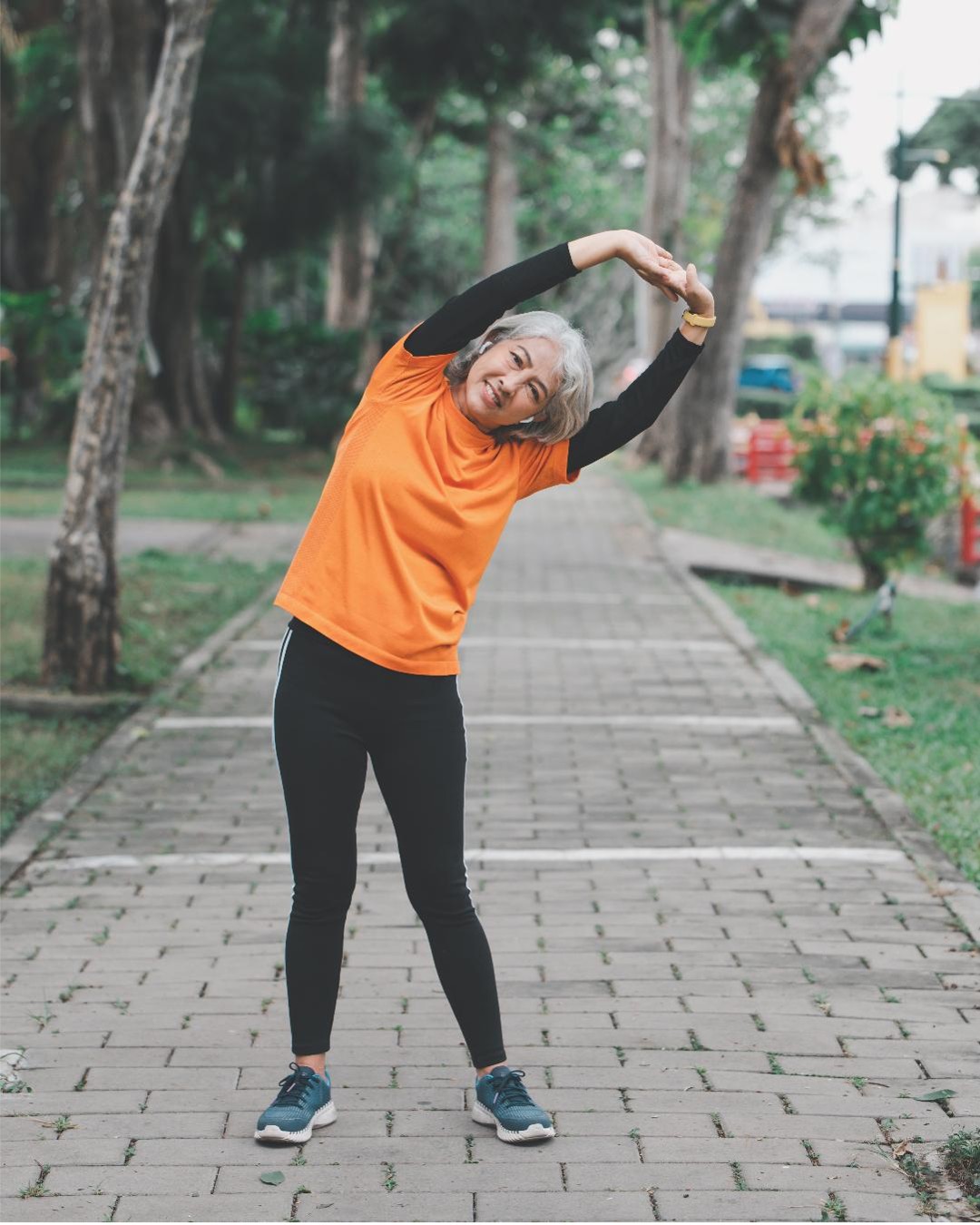
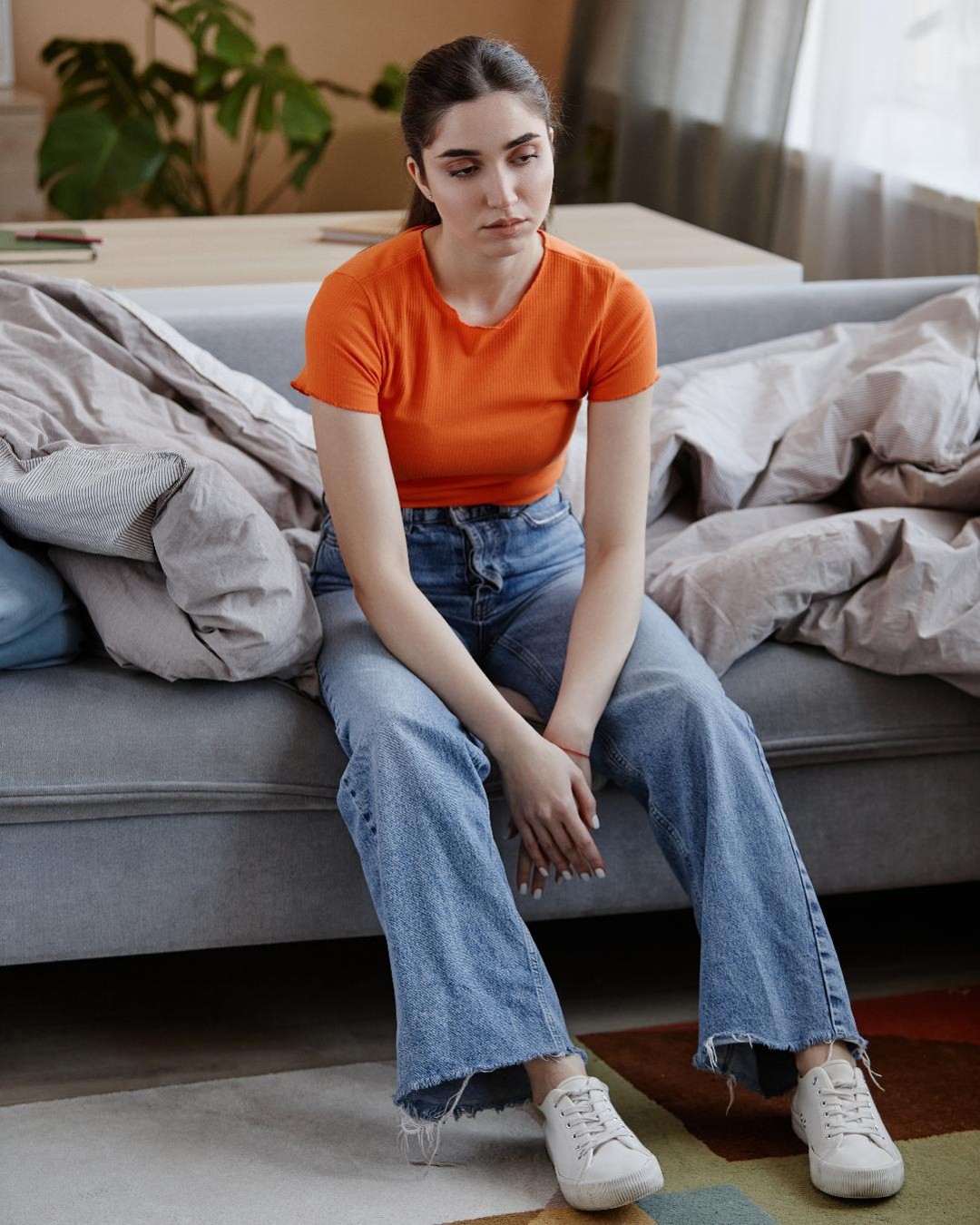
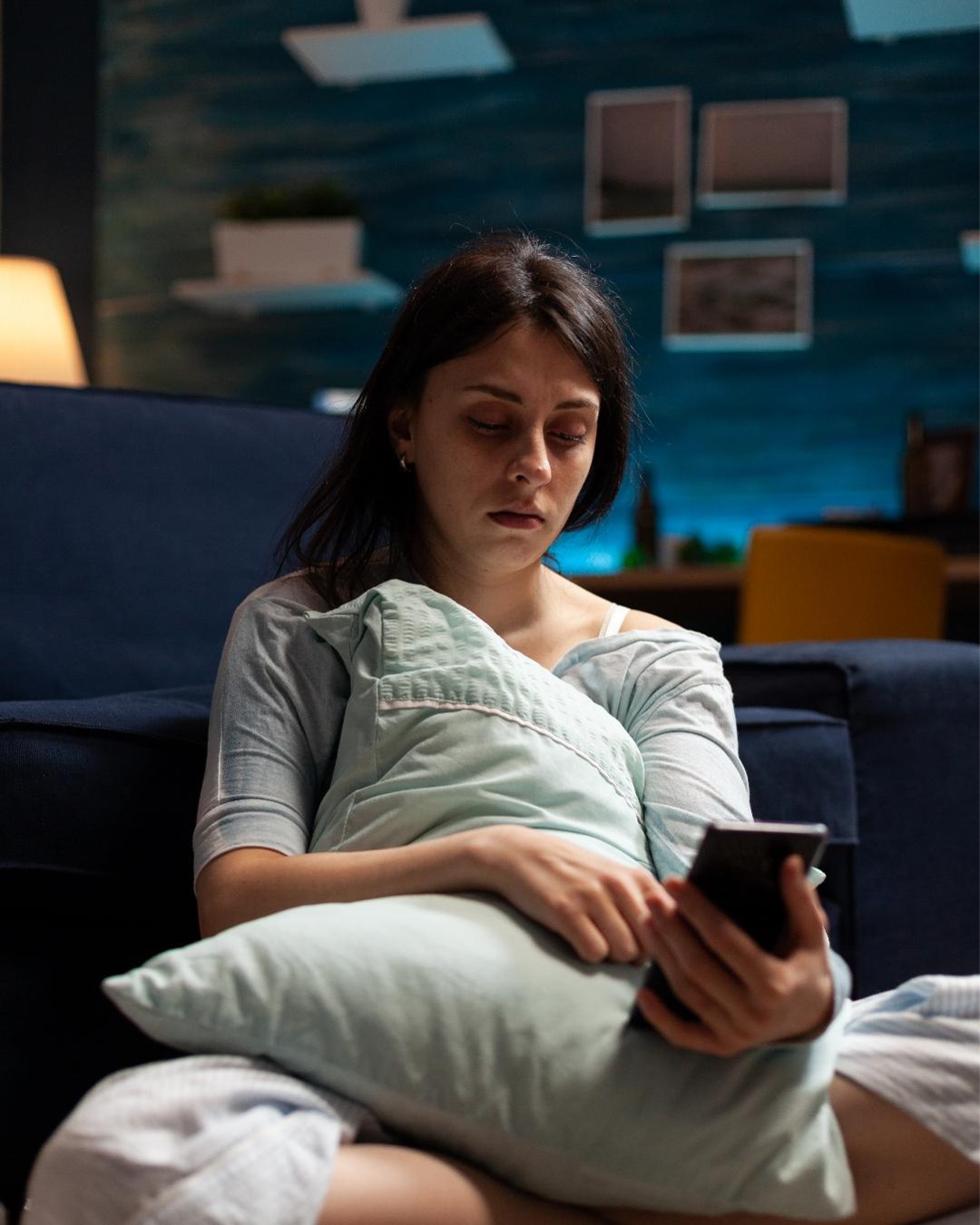
When you have slept badly, spent the day looking after other people and arrived home with very little energy left, being told to exercise can feel exhausting in itself. You may understand that movement could help, while wondering where you are supposed to find the time, enthusiasm or clean gym clothes.
During perimenopause and menopause, that gap between knowing and doing can feel particularly wide. If your mood is low and your body feels unfamiliar, a busy fitness class or demanding training programme may hold little appeal. But there are ways to move that leave room for enjoyment, tired days and the realities of working in care.
Research reported by University College London on 13 October offers an encouraging starting point. A review of 12 randomised controlled trials involving more than 1,000 women examined physical activity during perimenopause and early postmenopause. Activities included walking, dance, yoga and Pilates, with findings suggesting benefits for depressive symptoms and aspects of quality of life. Researchers also highlighted the need for further work to establish which activities help most and how best to incorporate them into care.
That is a useful reason to explore movement as part of your support, without turning it into another demand. The studies involved repeated activity over time; they do not establish that a quick walk will lift everyone’s mood. Your experience, preferences and health still matter.
For some women, the first obstacle is the picture that comes to mind when someone says “exercise”. It might involve mirrors, unfamiliar equipment, a membership fee or an instructor whose energy feels impossible to match. If that environment suits you, there is every reason to enjoy it. If it makes you uncomfortable, you have other options.
Walking with a friend, swimming at a quiet time, dancing in the kitchen or trying a beginner’s class can offer a more appealing place to begin. You might prefer gardening, a gentle cycle ride or an activity you enjoyed years ago and gradually stopped making time for. Our article on hobbies that improve wellbeing offers a related invitation to think about what you actually like doing. Enjoyment deserves a say in how you spend your free time.
This is particularly relevant if you work in a physically demanding role. After hours spent standing, walking or supporting others, advice to “move more” can sound disconnected from your day. Consider what would feel manageable alongside that workload. You may want a quieter activity on a day off, company while you walk or guidance on adapting movement around discomfort. You also need opportunities to rest.
Starting small can help you discover what fits. A short walk close to home is easier to arrange than an ambitious programme requiring travel, equipment and several free evenings. You can try something, notice how you feel and adjust. An activity that leaves you dreading the next session may need a different pace, setting or approach.
It helps to leave room for variation. A plan made after a good night’s sleep may feel quite different after a restless one or a demanding shift. You can shorten a session, choose something gentler or rest and return another day. Missing an activity does not require punishment or a harder workout to compensate.
Company may make movement more appealing too. Meeting someone for a walk gives you time together without the formality or cost of a larger outing. A welcoming class can provide a regular place to go and familiar faces to see. For others, solitude is part of the attraction: a chance to spend time without answering questions or responding to anyone else’s needs.
Digital tools can be useful when they make getting started easier. An app might help you find a guided session, follow a beginner’s routine or set aside a little time. Our selection of wellbeing apps to help you recharge, refocus and unwind is a related resource to explore. Choose tools that suit your needs and ability, and remember that completing a streak is optional.
There is a point at which monitoring can take the pleasure out of an activity. You go for a walk and return disappointed because your watch says it was too short. You enjoy a gentle session, then compare it with someone else’s demanding workout online. The pressure examined in When Did Relaxing Become Another Thing to Get Right? can creep into movement just as easily. It is worth noticing whether a tool helps you feel supported or gives you another score to worry about.
The wider menopause conversation can create similar pressure. Alongside personal stories and useful information, there is a stream of products, routines and promises aimed at women who want to feel better. Our article on women buying “research peptides” for menopause raises questions about one part of that market. When you are struggling, you deserve reliable information and individual advice rather than the burden of working everything out through social media.
Movement can sit alongside professional support. If low mood is persistent, worsening or affecting your ability to cope, speak to your GP rather than assuming you need to try harder at exercise. You can discuss menopause symptoms, other possible contributors and appropriate treatment options. If pain, a health condition or uncertainty about what is safe is holding you back, ask for guidance on adapting activity.
There is no need to wait until you feel like a different person before beginning. Think about one form of movement you might enjoy this week, at a pace that feels realistic. It could be a walk with someone you miss, a swim you have been meaning to arrange or a few songs that make you want to dance. Giving yourself something to look forward to is a worthwhile place to start.
This article provides general wellbeing information and is not a substitute for medical advice. Speak to a qualified healthcare professional about persistent low mood, menopause symptoms or concerns about exercising safely.
Posted by:
M Ramalani
Editorial Assistant – The Daily Round
Busy day? We’ve got you covered. Get FREE daily news, practical insights, opportunities and wellbeing content, carefully curated for busy health and social care professionals. Just enter your details below to get The Daily Briefing delivered straight to your inbox.
 newsdesk@dailyround.news