

Everyday Wellbeing

Practical advice, tools, and resources to support men’s physical and mental wellbeing, helping you stay healthy, resilient, and at your best.
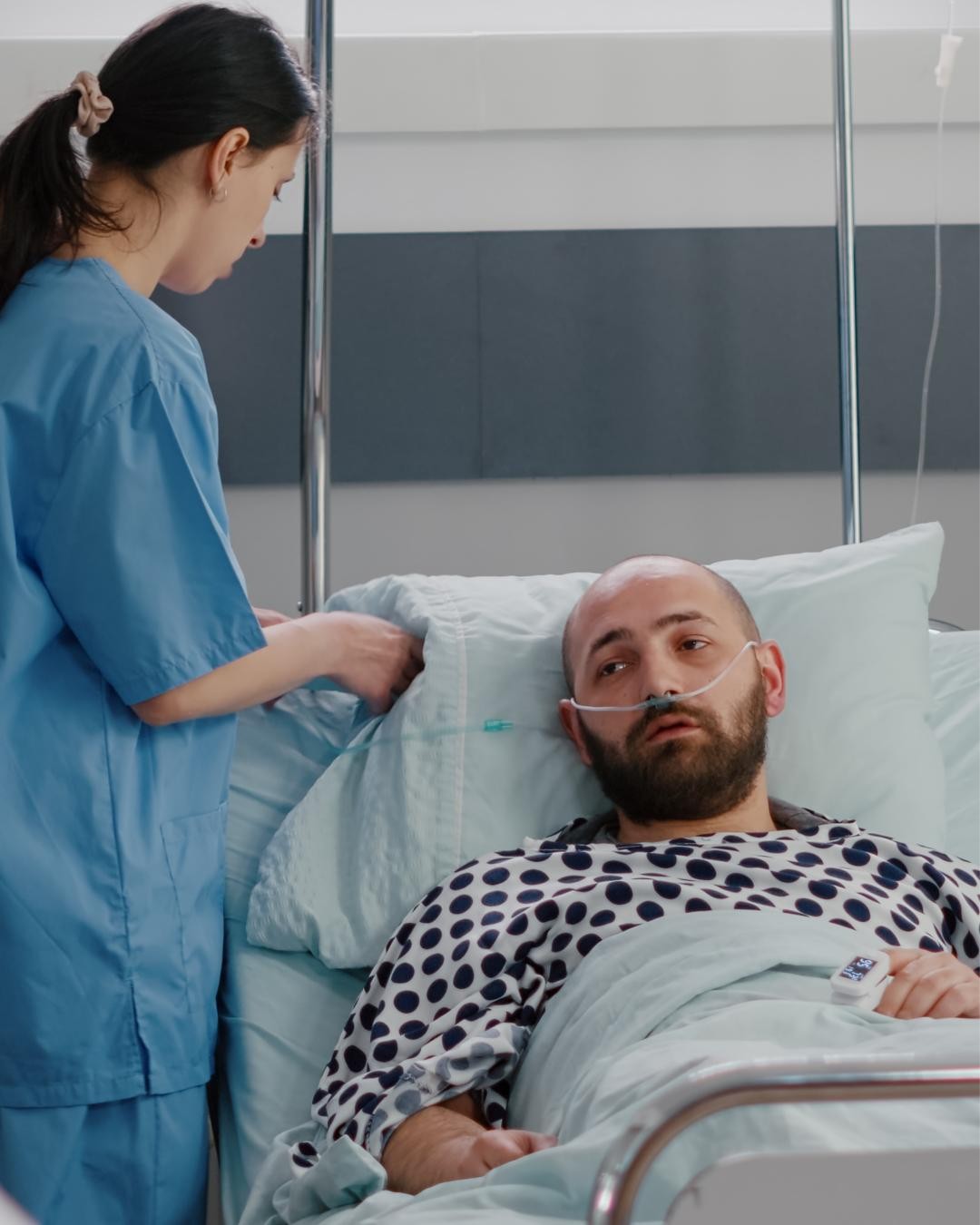



A hospital appointment can tell you how treatment is progressing, what your latest results show and what happens next. It may leave less room for the questions waiting at home. How will you manage work when your energy is unpredictable? How do you talk to your partner about intimacy? And how do you enjoy an ordinary afternoon when part of your mind is already on the next scan?
As more men live longer with prostate cancer, those everyday questions deserve attention alongside treatment. More time can mean birthdays, holidays, relationships and opportunities that once felt uncertain. It can also mean learning to live with ongoing treatment, physical changes and a future that is difficult to plan.
Research reported by the London School of Hygiene & Tropical Medicine on 8 October offers encouraging news. An analysis of 45,339 men diagnosed with metastatic prostate cancer in England between 2015 and 2022 found that the proportion who died within three years fell from 56% to 47%. Metastatic prostate cancer has spread to other parts of the body and is currently considered incurable, making improvements in survival particularly significant. These figures describe groups of patients and cannot predict an individual man’s outlook.
Living longer brings an important responsibility for services: helping men live as well as possible during that time. Treatment decisions remain central, but so do confidence, independence, relationships and the ability to participate in daily life.
There is no single experience of prostate cancer. Some men have treatment intended to cure it. Others have cancer monitored through active surveillance, while men with advanced disease may receive ongoing treatment to control it. Follow-up appointments, tests and scans can remain part of life during and after treatment.
That variety matters when reading hopeful headlines. Our report on Guy’s Hospital piloting targeted laser therapy for prostate cancer describes an approach being evaluated for selected men with localised disease. It concerns a different situation from metastatic cancer. New developments can offer reasons for optimism, while the question of whether a treatment is suitable belongs with an individual’s specialist team.
The emotional adjustment can be difficult to explain to people who see an encouraging result as the end of the worry. You may feel relieved after an appointment and anxious again a few days later. You might be grateful that treatment is working while finding its demands exhausting. Those feelings can exist together without cancelling each other out.
Well-meaning encouragement sometimes makes honesty harder. Being told to stay positive can leave a man wondering whether there is room to admit that he is frightened, angry or fed up. Friends and family can help by listening without immediately trying to improve the mood. Asking “What has this week been like?” may open a more useful conversation than assuming everything is fine because the latest results were reassuring.
Physical changes can affect parts of life that rarely appear in survival headlines. Depending on the treatment, men may experience urinary leakage, erectile difficulties or changes to orgasm. These can affect confidence, intimacy and decisions about leaving the house. The NHS recognises that some treatment side effects can be serious and long-lasting.
Embarrassment can keep these concerns out of appointments, particularly when time feels short or cancer control seems more important. Yet a problem does not have to threaten your life to deserve support. Tell your clinical nurse specialist or treatment team what is happening and ask what assessment, treatment or referral may help. The NHS advises that concerns can be raised between scheduled check-ups.
Partners may need space to adjust too. Changes to sex can bring uncertainty about how to initiate affection, what feels comfortable and whether talking about it will cause distress. A gentle conversation outside the bedroom can make it easier to explain what you miss, what worries you and what closeness could look like now. Neither person has to have an immediate solution.
Work brings another set of practical questions. For someone employed in care, returning to a demanding shift may feel very different from returning to a desk. Before committing to a working pattern, discuss the actual tasks involved with your healthcare team and employer. Being specific about what feels manageable, what is difficult and what might need reviewing can make support more useful than a general promise to “take it easy”.
Money worries can sit behind those decisions. Someone may feel pressure to return quickly, avoid reducing hours or minimise difficulties because the household depends on their income. If finances are affecting your choices, raise that concern with your specialist team and ask about sources of practical support. National cancer charities, including Macmillan, also provide information and support for people affected by cancer.
There is room for ordinary life within all of this. A meal with friends, an afternoon watching football or a short trip can matter enormously when medical appointments have begun to organise the calendar. Plans may need flexibility, and your team can advise on activities or travel around treatment. You are allowed to want things to look forward to without having every uncertainty resolved.
Research into earlier detection is another part of the wider picture. Our coverage of the landmark prostate cancer research programme aiming to involve up to 500,000 men explores efforts to improve the evidence behind screening. Screening research and support after diagnosis address different needs, but both belong in a conversation about improving men’s lives.
For readers thinking more broadly about their health, What Every Man Should Know Before 40, 50 and 60 is a related read. A cancer diagnosis can dominate attention, so it is also worth asking your healthcare team how other health needs and routine care should fit around treatment.
Support does not have to come from one person. Your specialist team can explain local services, while Prostate Cancer UK offers specialist nurse support and an online community. Some men find it helpful to speak with someone who has faced similar decisions; others prefer individual professional support. You can ask about options without committing to a particular approach.
The next time you prepare for an appointment, write down one question about life outside the hospital. It might concern work, sex, worry, relationships or something you have stopped doing because it feels difficult. Those details help explain what living well means to you. They deserve a place in your care.
This article provides general health and wellbeing information and is not a substitute for individual medical advice. Speak to your specialist team about symptoms, side effects, treatment decisions or changes affecting your daily life.
Posted by:
M Ramalani
Editorial Assistant – The Daily Round
Busy day? We’ve got you covered. Get FREE daily news, practical insights, opportunities and wellbeing content, carefully curated for busy health and social care professionals. Just enter your details below to get The Daily Briefing delivered straight to your inbox.
 newsdesk@dailyround.news