newsdesk@dailyround.news
UK News

Stay up to date with the latest health and social care news from across the UK. From breaking stories and sector developments to the people, organisations and issues making the news.
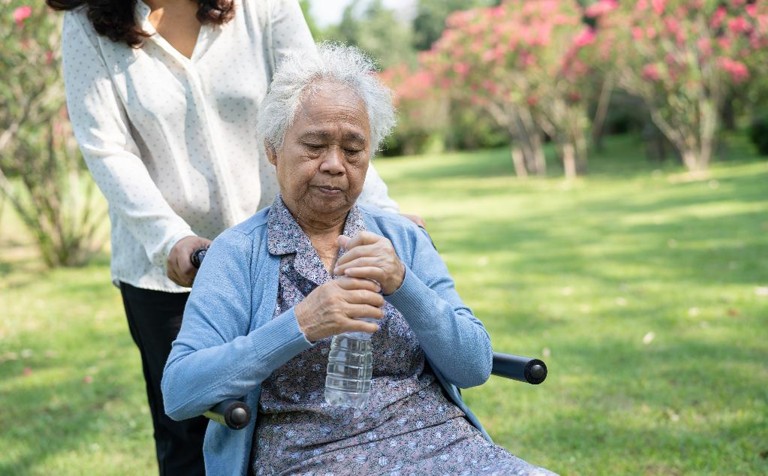
As much of Europe experiences record-breaking temperatures, headlines have focused on disrupted transport, strained infrastructure and warnings to stay indoors. Yet for health and social care professionals, extreme heat presents a different challenge altogether: protecting some of society’s most vulnerable people while continuing to deliver safe, high-quality care.
Older adults, people living with dementia, individuals with long-term health conditions and those receiving care at home are particularly vulnerable during periods of extreme heat. High temperatures place additional strain on the heart, lungs and kidneys, increase the risk of dehydration and can worsen existing medical conditions. Heat-related illness can develop quickly and, in severe cases, become life-threatening.
For care providers, heatwaves create operational challenges that extend far beyond keeping buildings cool. Home care workers often spend long periods travelling between visits in high temperatures. Care home teams must increase monitoring of hydration, medication side effects and changes in residents’ health. Community services frequently see increased demand as vulnerable individuals struggle to cope with prolonged hot weather.
The World Health Organization describes heat as one of the leading causes of weather-related deaths globally, with older people disproportionately affected. Heat-related mortality among people aged over 65 has risen significantly over recent decades, highlighting the growing importance of preparedness across health and social care services.
While heatwaves may once have been viewed as occasional summer events, experts increasingly warn that periods of extreme heat are becoming more frequent, longer-lasting and more intense. This means care providers must think beyond short-term responses and consider how services, buildings and workforce planning can adapt to a warmer future.
Simple measures can make a significant difference. Encouraging regular hydration, adjusting activity levels during the hottest parts of the day, checking on people who live alone and ensuring staff understand the signs of heat exhaustion and heatstroke can help prevent serious harm. Many providers are also reviewing building ventilation, cooling systems and emergency response procedures as part of wider climate resilience planning.
The reality is that extreme heat is no longer just a weather story. It is a health and social care story too. As temperatures rise, the sector’s role in protecting vulnerable people becomes even more critical.
The question is no longer whether care services need to prepare for extreme heat, but whether we are preparing quickly enough.
Posted by:
Mehala
Editorial Assistant – The Daily Round



Busy day? We’ve got you covered. Get FREE daily news, practical insights, opportunities and wellbeing content, carefully curated for busy health and social care professionals. Just enter your details below to get The Daily Briefing delivered straight to your inbox.
Busy day? We’ve got you covered. Get FREE daily news, practical insights, opportunities and wellbeing content, carefully curated for busy health and social care professionals. Just enter your details below to get The Daily Briefing delivered straight to your inbox.