newsdesk@dailyround.news
UK News

Stay up to date with the latest health and social care news from across the UK. From children’s mental health crisis and new inspection guidance for prison education to women’s mental health after childbirth and employment reforms affecting UK employers, discover the stories and developments shaping the sector.
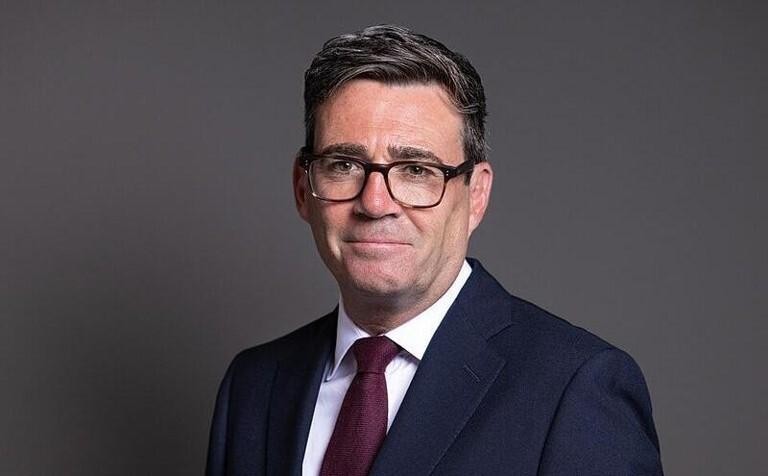
Prime Minister Andy Burnham has opened the door to Britain eventually rejoining the European Union, saying full membership should be considered alongside other options for rebuilding the country’s relationship with the bloc.
Speaking after the Labour Party conference in Liverpool, Burnham said ministers should examine the advantages and disadvantages of maintaining the current arrangements, joining a customs union, returning to the single market or going “all the way” by seeking EU membership.
His comments do not amount to a commitment to rejoin, and the prime minister stressed that the government must first establish what is practically achievable. He also acknowledged that while he would personally like to see Britain return to the EU during his lifetime, that did not necessarily mean it was the right immediate course.
The intervention nevertheless marks a significant departure from the position on which Labour fought the 2024 general election. Its manifesto ruled out returning to the single market or customs union and rejected the restoration of freedom of movement.
Burnham argued that Brexit had caused “more harm than good”, weakening the economy and making it more difficult for Britain to cooperate with European countries on issues including migration.
A customs union could reduce some barriers affecting trade in goods by aligning tariffs with the EU, although it would not remove every border check. Returning to the single market would involve much closer regulatory alignment and would be likely to require concessions on the movement of people, financial contributions and European rules.
Full membership would be considerably more complex. Any application would require negotiations with the EU and the approval of its member states, while the political process in Britain would almost certainly require a clear public mandate.
Burnham said the government would set out the possible models for Britain’s long-term relationship with Europe around the time of the next UK-EU summit, which is expected to take place in November.
The government is already pursuing closer cooperation in several areas. Britain is due to participate in the Erasmus+ education programme again in 2027, while talks continue over food trade, electricity markets and a possible youth mobility arrangement.
No timetable has been given for a decision, and Burnham has not announced plans for another referendum. Any formal proposal to rejoin the EU or its central institutions is unlikely before the next general election.
For now, the significance lies in the change of language: full membership is no longer being ruled out before the government has considered the alternatives.
Posted by:
Mehala
Editorial Assistant – The Daily Round




Busy day? We’ve got you covered. Get FREE daily news, practical insights, opportunities and wellbeing content, carefully curated for busy health and social care professionals. Just enter your details below to get The Daily Briefing delivered straight to your inbox.
Busy day? We’ve got you covered. Get FREE daily news, practical insights, opportunities and wellbeing content, carefully curated for busy health and social care professionals. Just enter your details below to get The Daily Briefing delivered straight to your inbox.