
 newsdesk@dailyround.news
UK News

Stay up to date with the latest health and social care news from across the UK. From breaking stories and sector developments to the people, organisations and issues making the news.
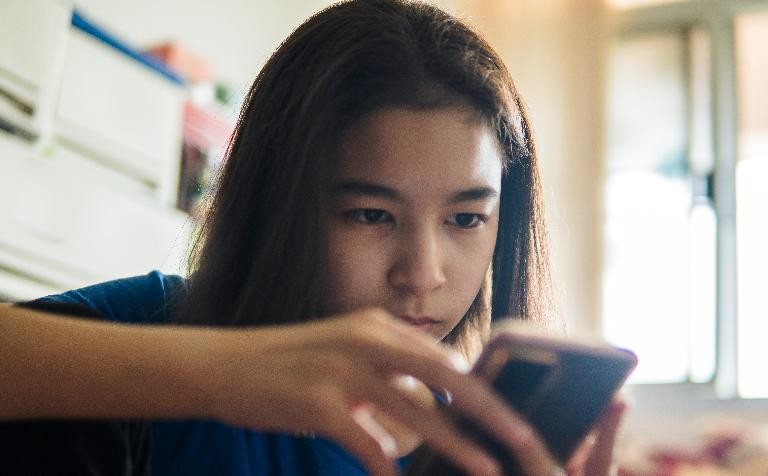
More than two-thirds of children regularly see online content telling them how they should look, dress and behave, according to new research which has raised concerns about the influence of social media algorithms on young people.
Research by children’s charity Plan International UK found 70% of girls and 67% of boys aged between seven and 17 had encountered content promoting expectations about their appearance, behaviour, careers or interests.
The charity warned that social media algorithms can quickly push children towards increasingly gendered content, reinforcing stereotypes about how girls and boys are expected to live. As part of the research, Plan International UK created six fake TikTok accounts representing young people aged between 13 and 16.
Researchers found the content being recommended to the accounts became clearly gendered within just 20 minutes. After less than two hours of scrolling, the accounts could be exposed to increasingly specific and potentially harmful material.
Accounts representing girls were shown content promoting unrealistic beauty standards and luxury lifestyles. One account, designed to represent a 13-year-old girl interested in drama, music and dance, was initially shown content about mental health and feeling sad.
The recommendations later progressed to videos relating to suicide, self-harm and substance abuse. Boys were presented with different pressures. Researchers found their feeds included content glorifying wealth and physical strength alongside messages encouraging emotional isolation and misogynistic attitudes.
Plan International UK said this risked reinforcing narrow ideas about masculinity, including the suggestion that success should be associated with money, dominance and physical strength.
Kathleen Spencer-Chapman, director of influencing and external affairs at Plan International UK, said the findings showed misogyny was not restricted to obscure parts of the internet but was appearing within everyday content served to children. She said girls appeared more likely to recognise and challenge sexist content, while boys risked becoming trapped in online echo chambers where restrictive ideas about masculinity were increasingly normalised.
The charity warned that attitudes developed online could influence how young people view themselves, interact with others and understand relationships in the real world. Children themselves also expressed concern about what they were seeing. Around six in 10 young people surveyed, 62% said they wanted social media companies to do more to remove harmful content from their platforms.
During its testing, Plan International UK reported concerning content to TikTok but said the platform determined it did not breach its community guidelines. The charity is now calling for greater action from the government to ensure technology companies design social media platforms with children’s safety and wellbeing at their core.
The findings come amid growing scrutiny of the potential impact social media platforms and their recommendation algorithms can have on children’s mental health, body image and attitudes towards gender.
Plan International UK said stronger protections were needed to prevent algorithms from repeatedly exposing young users to stereotypes and harmful material simply because of their perceived gender.
Posted by:
K Jadon
Editorial Assistant – The Daily Round




Busy day? We’ve got you covered. Get FREE daily news, practical insights, opportunities and wellbeing content, carefully curated for busy health and social care professionals. Just enter your details below to get The Daily Briefing delivered straight to your inbox.
Busy day? We’ve got you covered. Get FREE daily news, practical insights, opportunities and wellbeing content, carefully curated for busy health and social care professionals. Just enter your details below to get The Daily Briefing delivered straight to your inbox.