
 newsdesk@dailyround.news
UK News

Stay up to date with the latest health and social care news from across the UK. From breaking stories and sector developments to the people, organisations and issues making the news.
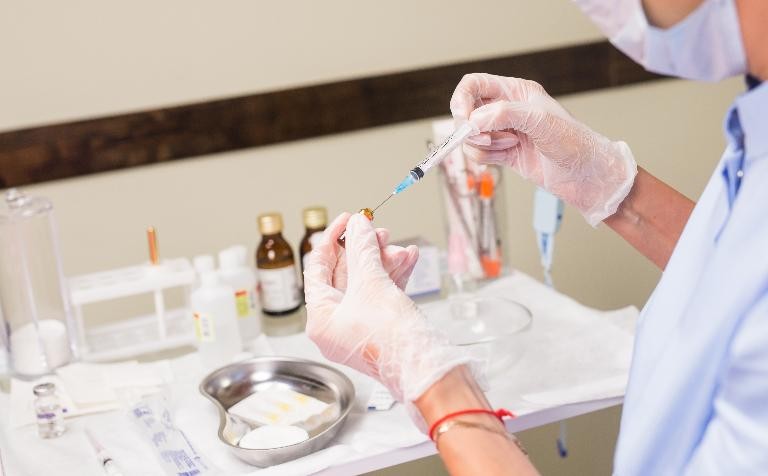
A twice-yearly injection that can protect people against HIV has not been recommended for routine NHS use in England after NICE concluded its current price was too high.
The National Institute for Health and Care Excellence (NICE) issued draft guidance rejecting lenacapavir as a form of pre-exposure prophylaxis (PrEP), despite acknowledging evidence showing the treatment is effective at reducing the risk of HIV. Lenacapavir, also known by the brand name Yeytuo, is a long-acting treatment administered by injection once every six months.
It was approved by the Medicines and Healthcare products Regulatory Agency (MHRA) in December 2025 for preventing sexually transmitted HIV-1 infection in adults and adolescents. The treatment could provide an alternative for people who find it difficult to take daily oral PrEP or regularly attend sexual health clinics.
NICE said lenacapavir reduces the risk of HIV compared with no PrEP or oral PrEP and is likely to work as well as the injectable treatment cabotegravir. However, its evaluation committee identified uncertainties in both the clinical evidence and economic modelling. These included questions about how closely the people involved in clinical trials reflected the UK population and estimates of how many people at high risk of HIV who are not taking PrEP would otherwise acquire the virus.
NICE ultimately concluded the cost-effectiveness estimates were above the range it considers an acceptable use of NHS resources.
A NICE spokesperson said: “The evidence shows that lenacapavir is effective at reducing the risk of HIV. However, the current price is too high for the benefits it provides beyond current treatments and therefore our committee cannot recommend its use.”
The decision has been criticised by HIV charity Terrence Higgins Trust, which warned that failing to make the treatment available could jeopardise efforts to end new HIV transmissions in the UK by 2030.
The charity argues twice-yearly PrEP could be particularly important for people who struggle to take tablets consistently or face practical and social barriers to accessing existing treatments.
These could include people experiencing homelessness or unstable housing, people in prison, members of the military and those concerned about others seeing them taking PrEP medication.
Richard Angell, chief executive of Terrence Higgins Trust, said the treatment represented an important opportunity to ensure communities currently underserved by existing HIV prevention options were not left behind. He called on NICE, NHS England and manufacturer Gilead to urgently work together to find a solution. Currently, PrEP is available through NHS sexual health services, primarily as oral medication. People who cannot use oral PrEP may also be eligible for cabotegravir, a long-acting injection administered every two months, which NICE recommended in 2025.
Gilead said it recognised the draft decision would be disappointing for people who could benefit from additional HIV prevention options. However, the NICE appraisal is not yet complete. The organisation previously paused its assessment to allow discussions over a potential commercial access agreement, but NICE said those talks had not resulted in an agreement.
Consultation on the draft recommendations will now take place before NICE’s evaluation committee meets again on 3 November 2026. That means the decision could still change before final guidance is issued.
Posted by:
K Jadon
Editorial Assistant – The Daily Round




Busy day? We’ve got you covered. Get FREE daily news, practical insights, opportunities and wellbeing content, carefully curated for busy health and social care professionals. Just enter your details below to get The Daily Briefing delivered straight to your inbox.
Busy day? We’ve got you covered. Get FREE daily news, practical insights, opportunities and wellbeing content, carefully curated for busy health and social care professionals. Just enter your details below to get The Daily Briefing delivered straight to your inbox.