newsdesk@dailyround.news
Inspection and Rating Reports

Explore the latest care inspections, ratings and quality updates across health and social care. We cover inspection outcomes, provider performance and the developments shaping standards of care across the sector.
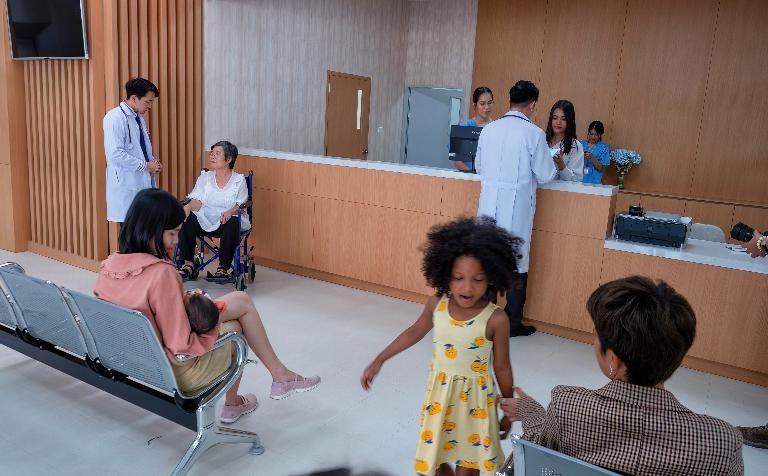
Two hospitals run by University Hospitals of Derby and Burton NHS Foundation Trust have been downgraded from good to requires improvement after inspectors raised concerns about overcrowding, staffing and patient safety.
The Care Quality Commission inspected urgent and emergency care and medical services at Royal Derby Hospital and Queen’s Hospital Burton in February. Following the inspections, the overall ratings for both hospitals have fallen from good to requires improvement, with the regulator asking the trust to produce an action plan setting out how it will address the concerns identified.
At Royal Derby Hospital, urgent and emergency care was downgraded from good to requires improvement, as was medical care. Urgent and emergency care at Queen’s Hospital was again rated requires improvement, while its medical care service was rated good.
Some of the most significant concerns related to conditions within the hospitals’ emergency departments. At Royal Derby, inspectors found an overcrowded environment where patients on trolleys were positioned in front of other people’s cubicles, leaving limited space for staff to respond quickly during an emergency. Emergency equipment was not always within easy reach of these makeshift areas and patients did not have curtains to protect their privacy.
One elderly patient spent 21 hours on a stretcher before being moved to a bed, which inspectors said placed them at real risk of developing pressure injuries. Only 27.24% of patients received an initial assessment within 60 minutes, while some people arriving overnight waited around nine hours to see a doctor.
Staffing pressures were also significant. Royal Derby’s emergency department had 12 nursing vacancies and a sickness rate of 10% at the time of the inspection. The CQC found that the staffing-planning tool being used did not accurately reflect the number of patients in the department, although leaders were aware of the problem and had plans to increase staffing.
Inspectors also identified concerns about the culture around incident reporting. Some staff said they had stopped reporting issues such as staffing shortages or medicines being given late because they felt nothing would change and they would not receive feedback from leaders.
Problems with medicines management were identified in both emergency and medical care at Royal Derby. Inspectors found medicines were not always stored, labelled or disposed of correctly, while fridge temperatures were not routinely checked. Within medical services, insulin pens were not always labelled with patients’ names or the date they had been opened.
The CQC also highlighted concerns about sepsis care at Royal Derby. Screening rates remained at around 50% to 60% against a target of 90% despite repeated audits and improvement plans, potentially increasing the risk that patients would not receive time-critical treatment quickly enough.
At Queen’s Hospital Burton, inspectors found its emergency department was frequently too crowded for the number of people requiring care. Some patients who did not need immediate treatment waited up to seven hours to be seen, while on particularly busy evenings people were sitting or lying on the floor because there was not enough space.
Overcrowding also affected privacy and support for patients, with families and visitors sometimes asked to leave busy areas. The hospital had only one dedicated mental health room, meaning that when more than one person experiencing a mental health crisis required care, some had to be supported in ordinary cubicles which inspectors considered inappropriate for their needs.
The CQC also found occasions when patients with sepsis did not receive antibiotics within the one-hour target and said staffing levels in the emergency department were not always sufficient to keep people safe. There were times when fewer registered nurses were working than leaders had planned, with staff telling inspectors this made them particularly anxious during night shifts.
Despite the concerns, inspectors found positive practice at both hospitals. Patients generally described staff as kind, attentive and supportive, while Royal Derby’s emergency services for children and young people and people experiencing mental health crises were praised. Its paediatric emergency department also demonstrated a strong learning culture and worked effectively with community services.
At Queen’s Hospital, inspectors found well-respected leaders in emergency care who listened to staff suggestions and made changes in response. Medical services were rated good, with patients reporting that they felt safe, informed and involved in decisions about their care. Inspectors also found a strong culture of learning and improvement among staff.
Sarah Ivory-Donnelly, CQC deputy director of hospitals, secondary and specialist healthcare in the central region, said staff at both hospitals were clearly committed to caring for patients but that urgent improvements were needed to address the safety concerns identified.
The CQC found breaches of regulations across each of the four services inspected, including requirements relating to safe care and treatment, staffing, dignity and respect, leadership, and premises and equipment.
The regulator will now monitor the trust’s response and has requested an action plan explaining how improvements will be made. For the trust, the findings mean both Royal Derby Hospital and Queen’s Hospital now carry an overall rating of requires improvement.
Posted by:
K Jadon
Editorial Assistant – The Daily Round


Busy day? We’ve got you covered. Get FREE daily news, practical insights, opportunities and wellbeing content, carefully curated for busy health and social care professionals. Just enter your details below to get The Daily Briefing delivered straight to your inbox.
Busy day? We’ve got you covered. Get FREE daily news, practical insights, opportunities and wellbeing content, carefully curated for busy health and social care professionals. Just enter your details below to get The Daily Briefing delivered straight to your inbox.