
 newsdesk@dailyround.news

Inspection and Rating Reports

Explore the latest care inspections, ratings and regulatory developments across health and social care. From Outstanding care home ratings and hospice improvements recognised by the CQC to hospital inspections highlighting areas for improvement, discover the findings shaping standards of care across the sector.
Stay informed about wider regulatory changes, including the appointment process for the CQC’s new Chair.
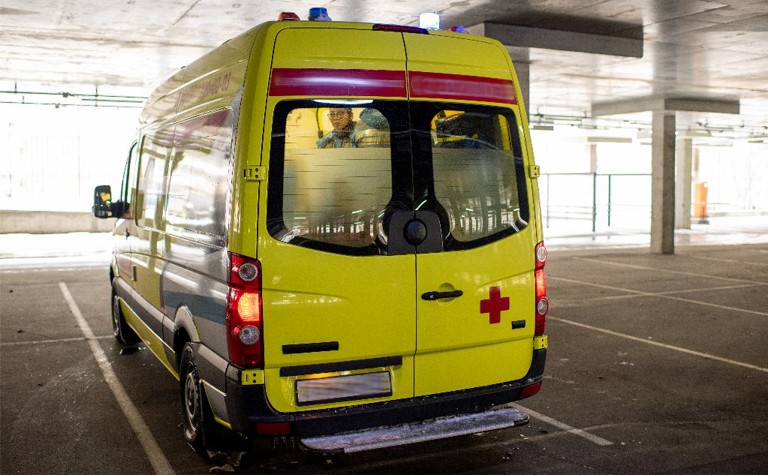
South Central Ambulance Service NHS Foundation Trust has been rated as requiring improvement for leadership following an inspection by the Care Quality Commission (CQC) in January.
The trust provides 999 emergency and NHS 111 services to around 4.4 million people across Berkshire, Buckinghamshire, Hampshire and Oxfordshire. It also delivers patient transport services in Hampshire and Milton Keynes.
CQC found the trust was breaching regulations relating to good governance and overall management. The regulator has requested an action plan setting out how leaders intend to address the shortcomings.
The assessment resulted in a requires improvement rating for leadership and culture, under CQC’s trust-level rating system for NHS organisations.
Inspectors acknowledged improvements over the previous two years, including greater stability within the leadership team, stronger management arrangements and changes made in response to earlier feedback. The trust had also been discharged from NHS England’s recovery support programmes.
However, CQC said these improvements were still at an early stage and that leaders had not yet established sufficiently robust systems to identify risks consistently or deliver lasting improvements.
The regulator also found that financial and performance priorities had affected staff culture. The 2024 NHS staff survey highlighted declining staff wellbeing and morale, with employees continuing to report burnout and concerns about staffing levels.
Only 50% of frontline staff said they felt safe speaking up, while 68% did not believe their concerns would be addressed.
Inspectors also identified inequalities in recruitment, finding that staff from ethnic minority backgrounds and disabled applicants continued to experience lower success rates. White applicants were twice as likely to be appointed after being shortlisted.
Further concerns included weaknesses in leadership at some levels, which CQC said put the delivery of safe and effective care at risk.
The regulator also found that people with mental health needs did not consistently receive the same standard of care across the trust’s areas of operation. Differences in commissioning arrangements resulted in poorer experiences for some people, although the trust was working with partners to address the issue.
Despite the concerns, CQC identified examples of progress in safety, partnership working and innovation.
Inspectors found that safety remained a focus at board level, with individual safety experiences regularly shared and staff holding meetings to review incidents and agree immediate improvements.
The trust was also involving patients and families in service development through its patient panel and dedicated engagement groups for people with learning disabilities and mental health needs.
Frontline staff were found to treat people with kindness, with patients reporting positive experiences, feeling listened to and receiving communication suited to their needs.
CQC also highlighted improvements in cyber security, strong community partnerships and the trust’s exploration of artificial intelligence to improve safety for people contacting its emergency operations centres.
Amanda Williams, CQC deputy director of hospitals, secondary and specialist care in the South East, said leaders understood the remaining challenges but needed to ensure improvements became embedded in the everyday experiences of staff and people using services.
CQC said it would continue monitoring the trust’s progress and return to assess whether the necessary changes had been implemented.
Register with The Daily Round for the latest sector news, inspections & reports, wellbeing content, workforce insights, expert features and practical updates—delivered free to your inbox.
Posted by:
M Ramalani
Editorial Assistant – The Daily Round
Busy day? We’ve got you covered. Get FREE daily news, practical insights, opportunities and wellbeing content, carefully curated for busy health and social care professionals. Just enter your details below to get The Daily Briefing delivered straight to your inbox.
Busy day? We’ve got you covered. Get FREE daily news, practical insights, opportunities and wellbeing content, carefully curated for busy health and social care professionals. Just enter your details below to get The Daily Briefing delivered straight to your inbox.