

Everyday Wellbeing

Practical tips, guidance, and inspiration to support your physical, mental, and emotional wellbeing every day.
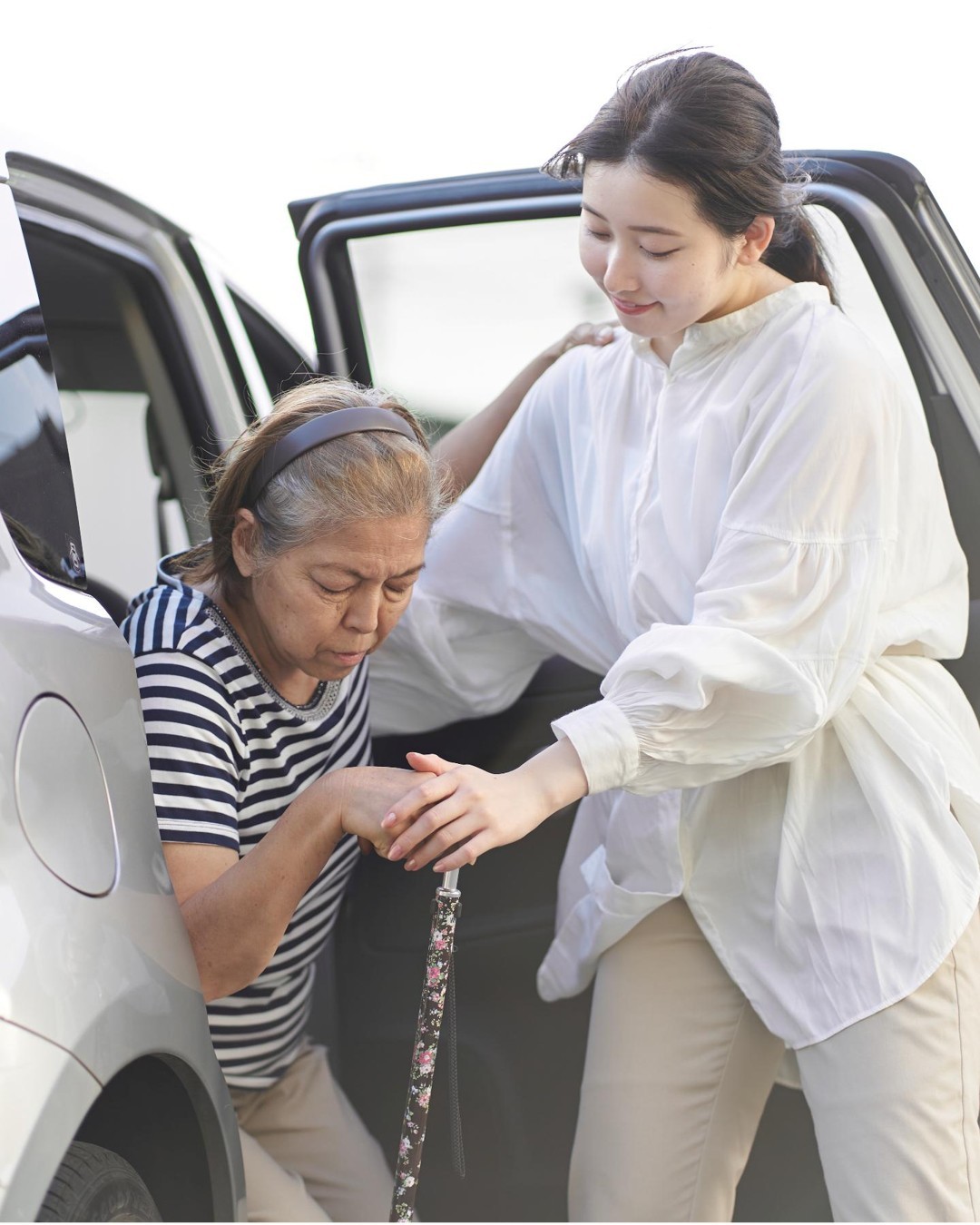



There are days when a small act of kindness barely registers. Somebody holds a door open, sends a message to see how you’re doing, makes you a cup of tea without being asked or tells you that you’ve done a good job. You smile, say thank you and carry on with your day. Then there are days when exactly the same gesture means everything.
The person being kind probably has no idea that you barely slept the night before, you’re worried about somebody you love, you’ve had an awful morning or you’ve spent the last hour quietly questioning whether you’re actually doing a very good job of anything.
That’s the strange thing about kindness. We rarely know how much somebody needs it when we give it. We tend to think about kindness in terms of what it does for the person receiving it, but there is another side to it. Being kind, helping other people and feeling connected to those around us can support our own wellbeing too. Perhaps that is why doing something thoughtful for somebody else can sometimes make a difficult day feel a little better for us as well.
We see such a tiny part of other people’s lives. The colleague who seems unusually quiet might have been awake all night with a sick child. The person who appears distracted could be waiting for medical results. Somebody might be worrying about money, going through a divorce, caring for a parent, grieving somebody they’ve lost or dealing with something they haven’t told anybody about.
Of course, somebody might simply be having a bad day. We don’t need to know somebody’s entire story before deciding to treat them gently.
A kind interaction doesn’t have to involve an enormous gesture. Sometimes it is remembering somebody’s name, asking how something went, noticing when a person is struggling or taking an extra few seconds to actually listen to the answer when you ask, “How are you?”
You may forget the interaction by tomorrow. They might not.
There is growing research around prosocial behaviour – things we do to benefit other people – and its relationship with wellbeing. Helping, volunteering, giving and performing acts of kindness have all been associated with positive effects on wellbeing, although kindness certainly shouldn’t be treated as a cure for mental or physical health problems.
Perhaps we don’t need research to recognise the feeling completely.
Think about the last time you did something genuinely nice for somebody without expecting anything in return. Maybe you helped a stranger, surprised a friend, donated to something you cared about or simply realised somebody was struggling and made their day a little easier. It feels good.
Not in a self-congratulatory way. There is simply something deeply human about knowing that because you were there, somebody else’s day was slightly better than it would otherwise have been.
When we talk about doing good for other people, it is easy to imagine charity donations, volunteering or grand gestures. Those things are wonderful, but some of the most meaningful acts of kindness cost absolutely nothing.
Sometimes kindness is simply noticing another human being.
Perhaps the kindness that stays with us longest is the kind we weren’t expecting. It is relatively easy to be kind to people we love when everything is going well. It can be much harder when we’re tired, stressed, irritated or dealing with our own problems.
That doesn’t mean accepting poor behaviour or allowing people to treat you badly. You can have boundaries and still behave with kindness. You can disagree with somebody without humiliating them, end a relationship without deliberately trying to hurt them and deal with conflict without making cruelty part of the process.
There will be moments when anger is completely justified. The question is what we choose to do with it. Not every person who hurts you needs revenge. Not every disagreement needs an audience. Not every message deserves the response you composed while furious.
Sometimes walking away with your own peace intact is enough.
This distinction matters. Being kind doesn’t mean constantly saying yes. It doesn’t mean allowing everybody unlimited access to your time, repeatedly putting your own needs last or accepting behaviour that makes you unhappy because you don’t want to upset somebody.
Kindness given through resentment eventually stops feeling very kind to anybody. You are allowed to say no. You can set boundaries. You can remove yourself from unhealthy situations and decide that somebody no longer gets the same access to your life they once had. You can do all of those things without becoming cruel.
There is a quiet strength in being able to protect yourself without needing to destroy somebody else in the process.
Most of us can remember somebody who was kind to us at a difficult point in our lives. Often, they probably didn’t realise the significance of what they were doing.
It might have been a teacher who noticed you were struggling, a colleague who quietly covered something at work, a nurse who stayed for an extra few minutes, a friend who turned up when everybody else disappeared or a stranger who helped when you were completely overwhelmed.
Years later, you may still remember them. That should tell us something. We don’t always get to see the outcome of the kindness we put into the world. We won’t know that the compliment came on a day when somebody felt terrible about themselves or that the phone call arrived when someone desperately needed company.
We simply do our small part and let it go.
There is one person we often exclude from conversations about kindness. Ourselves.
Many of us speak to ourselves in ways we would never speak to another person. We replay mistakes, criticise our appearance, question our abilities and set standards for ourselves that we wouldn’t dream of expecting from somebody we loved.
Self-kindness isn’t pretending you’ve never done anything wrong or telling yourself everything you do is wonderful.
Sometimes being kind to yourself means taking responsibility for a mistake without deciding that the mistake makes you a terrible person. Sometimes it means resting instead of pushing through exhaustion, asking for help, leaving something until tomorrow or accepting that you’ve done enough for today.
If kindness is something we believe other people deserve, perhaps we should occasionally extend the same courtesy to ourselves.
You cannot fix everybody’s problems. You cannot know what every person you encounter is going through, and you certainly cannot spend your life trying to make everybody happy. But you can influence the tiny part of their day that intersects with yours.
Sometimes you’ll get that kindness back. Sometimes you won’t. Occasionally you’ll be kind to somebody who remains thoroughly unpleasant, and you may wonder why you bothered. Do it because of who you want to be, not because of what you expect in return. Life gives all of us enough difficult days without us deliberately adding to somebody else’s.
So give the compliment. Send the message. Check on somebody. Say thank you. Be patient when you can. Help when it is reasonable to help and remember that the person standing in front of you has an entire life happening that you know absolutely nothing about. And when you’re the one having the difficult day, offer a little of that kindness to yourself too.
You may never know what one small act does for another person. But sometimes, in doing something good for somebody else, we heal a little something in ourselves too.
Wellbeing looks different for everyone, and sometimes the most useful thing is simply finding the right information at the right time. Explore more from Daily Round with our dedicated Women’s Health, Men’s Wellbeing and Wellbeing for Leaders sections, or head to the Leaders Library for our latest book recommendations, ideas and inspiration for life in and outside work.
Or, if you’re ready to get back to what’s happening across the sector, catch up with today’s Daily News for the latest health and social care stories.
Posted by:
M Ramalani
Editorial Assistant – The Daily Round
Busy day? We’ve got you covered. Get FREE daily news, practical insights, opportunities and wellbeing content, carefully curated for busy health and social care professionals. Just enter your details below to get The Daily Briefing delivered straight to your inbox.
 newsdesk@dailyround.news