
 newsdesk@dailyround.news
UK News

Stay up to date with the latest health and social care news from across the UK. From children’s mental health crisis and new inspection guidance for prison education to women’s mental health after childbirth and employment reforms affecting UK employers, discover the stories and developments shaping the sector.
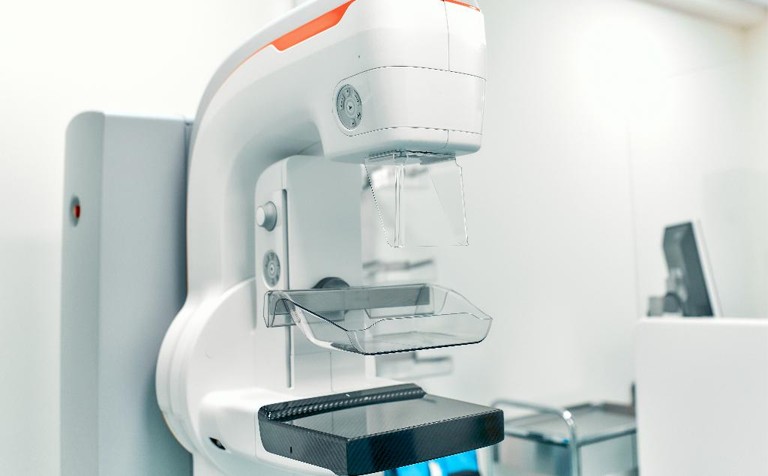
Nearly 700,000 women are being invited to participate in the world’s largest trial of artificial intelligence in breast cancer screening, as the NHS investigates whether the technology could detect cancer earlier, improve diagnosis and reduce pressure on specialist healthcare staff.
The £11 million EDITH trial, funded by the National Institute for Health and Care Research (NIHR), has begun recruiting participants at Cambridge University Hospitals, the first of 30 screening sites involved in the research. The study will examine whether artificial intelligence can identify potentially cancerous changes in mammograms while maintaining patient safety and avoiding unnecessary investigations.
Currently, two NHS specialists independently examine each mammogram for signs of breast cancer. Under the trial, AI technology will assist with reviewing images, potentially allowing one specialist to undertake work that currently requires two. However, every scan will continue to be reviewed by a qualified healthcare professional, with clinical decisions remaining under human supervision.
Researchers believe the technology could identify subtle changes in breast tissue that may be difficult for the human eye to detect. By analysing large volumes of previous mammograms, AI systems can recognise patterns associated with cancer and highlight areas requiring further investigation.
The potential benefits are significant. Breast cancer remains the most common cancer among women in the UK, with approximately 59,000 new cases diagnosed annually. Around a third are identified through routine screening, often before symptoms develop, when treatment can be more effective.
Women aged between 50 and 71 are routinely invited for breast screening every three years, with more than two million attending appointments annually. The existing programme is estimated to prevent approximately 1,300 deaths each year.
However, researchers have emphasised that detecting more abnormalities does not necessarily mean improving patient outcomes. One concern is that AI could increase the number of women recalled for additional investigations or identify slow-growing cancers that would never have caused symptoms.
The trial will therefore examine not only cancer detection rates but also false positives, unnecessary treatment, patient outcomes and the overall effectiveness of AI-assisted screening compared with existing methods.
The research also comes amid growing workforce pressures across NHS diagnostic services. Radiology departments face increasing demand for imaging examinations, while shortages of specialist staff continue to create challenges for hospitals attempting to reduce waiting times.
If successful, AI-assisted screening could allow radiologists to spend more time supporting patients requiring complex investigations and treatment, potentially improving the speed at which cancers are diagnosed.
The study is being led by researchers from the University of Warwick, the University of Cambridge and Cambridge University Hospitals NHS Foundation Trust, working alongside NHS England. Four AI companies are participating, with the research expected to continue for approximately three years.
For patients, the screening appointment itself will remain unchanged, and women will be informed about the research when receiving their invitations. Those who do not wish their mammograms to be assessed using AI can opt out.
Although previous smaller studies have produced encouraging results, NHS researchers say robust evidence is essential before introducing the technology more widely.
The findings could ultimately influence how breast cancer screening is delivered across England, potentially marking a significant development in the use of artificial intelligence within preventative healthcare.
For now, the central question remains whether AI can help clinicians identify more cancers at an earlier stage without exposing women to unnecessary anxiety, investigations or treatment.
Register with The Daily Round for the latest sector news, inspections & reports, wellbeing content, workforce insights, expert features and practical updates—delivered free to your inbox.
Posted by:
M Ramalani
Editorial Assistant – The Daily Round


Busy day? We’ve got you covered. Get FREE daily news, practical insights, opportunities and wellbeing content, carefully curated for busy health and social care professionals. Just enter your details below to get The Daily Briefing delivered straight to your inbox.
Busy day? We’ve got you covered. Get FREE daily news, practical insights, opportunities and wellbeing content, carefully curated for busy health and social care professionals. Just enter your details below to get The Daily Briefing delivered straight to your inbox.