newsdesk@dailyround.news

Global Care Stories

Discover the latest international news and developments affecting health and social care worldwide. From rising measles cases in the US to major global events, including the death of the world’s youngest reigning monarch at 34, explore the stories shaping communities and making headlines around the world.
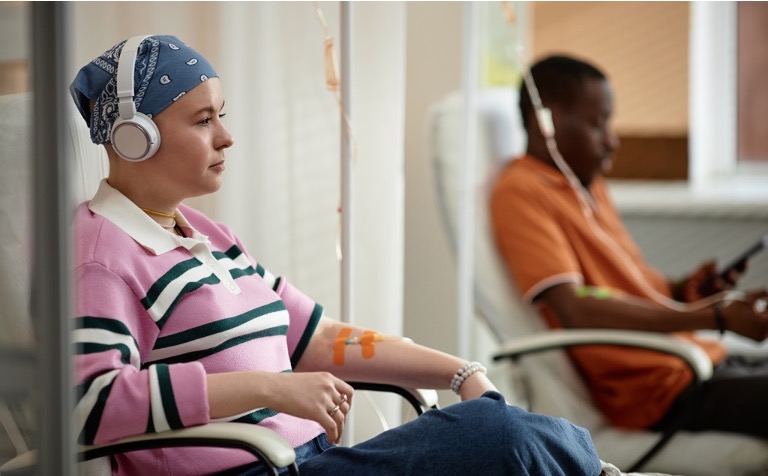
The World Health Organization (WHO) has warned that the number of new cancer cases diagnosed worldwide could rise to nearly 35 million each year by 2050, unless countries take urgent action to strengthen cancer prevention, early diagnosis and access to treatment.
The warning comes in the WHO Global Status Report on Cancer 2026, produced jointly with the International Agency for Research on Cancer (IARC). The report estimates there are currently around 20.6 million new cancer cases and almost 10 million cancer deaths each year, making cancer the second leading cause of death globally after cardiovascular disease.
According to the report, population growth, ageing populations and continued exposure to preventable risk factors are expected to drive the increase in cancer cases. The WHO identifies tobacco use, alcohol consumption, obesity, physical inactivity, air pollution and certain infections as some of the leading contributors to the global cancer burden.
The WHO is calling on governments to increase investment across the entire cancer pathway, including prevention programmes, screening, early diagnosis, treatment and palliative care. It also highlights the need to reduce inequalities in access to cancer services, particularly in low- and middle-income countries where outcomes remain significantly poorer than in wealthier nations.
The report warns that, without stronger action, health systems could face increasing pressure as demand for cancer services continues to grow. While high-income countries are expected to experience the largest increase in the absolute number of cancer cases, the greatest proportional increases are projected to occur in lower-income countries, where healthcare resources are often more limited.
The WHO said reversing the projected trend will require a coordinated, people-centred approach that prioritises prevention, equitable access to care and sustained investment in cancer services to improve outcomes for patients worldwide.
Stay informed with the stories shaping health and social care.
Register with The Daily Round for the latest sector news, inspections & reports, wellbeing content, workforce insights, expert features and practical updates delivered free to your inbox.
Posted by:
Prashant
Editorial Assistant – The Daily Round
Busy day? We’ve got you covered. Get FREE daily news, practical insights, opportunities and wellbeing content, carefully curated for busy health and social care professionals. Just enter your details below to get The Daily Briefing delivered straight to your inbox.
Busy day? We’ve got you covered. Get FREE daily news, practical insights, opportunities and wellbeing content, carefully curated for busy health and social care professionals. Just enter your details below to get The Daily Briefing delivered straight to your inbox.