

Leadership in Practice

Practical guidance, tools, and best practice to help care sector leaders manage people, develop staff, navigate compliance, and lead with confidence every day.


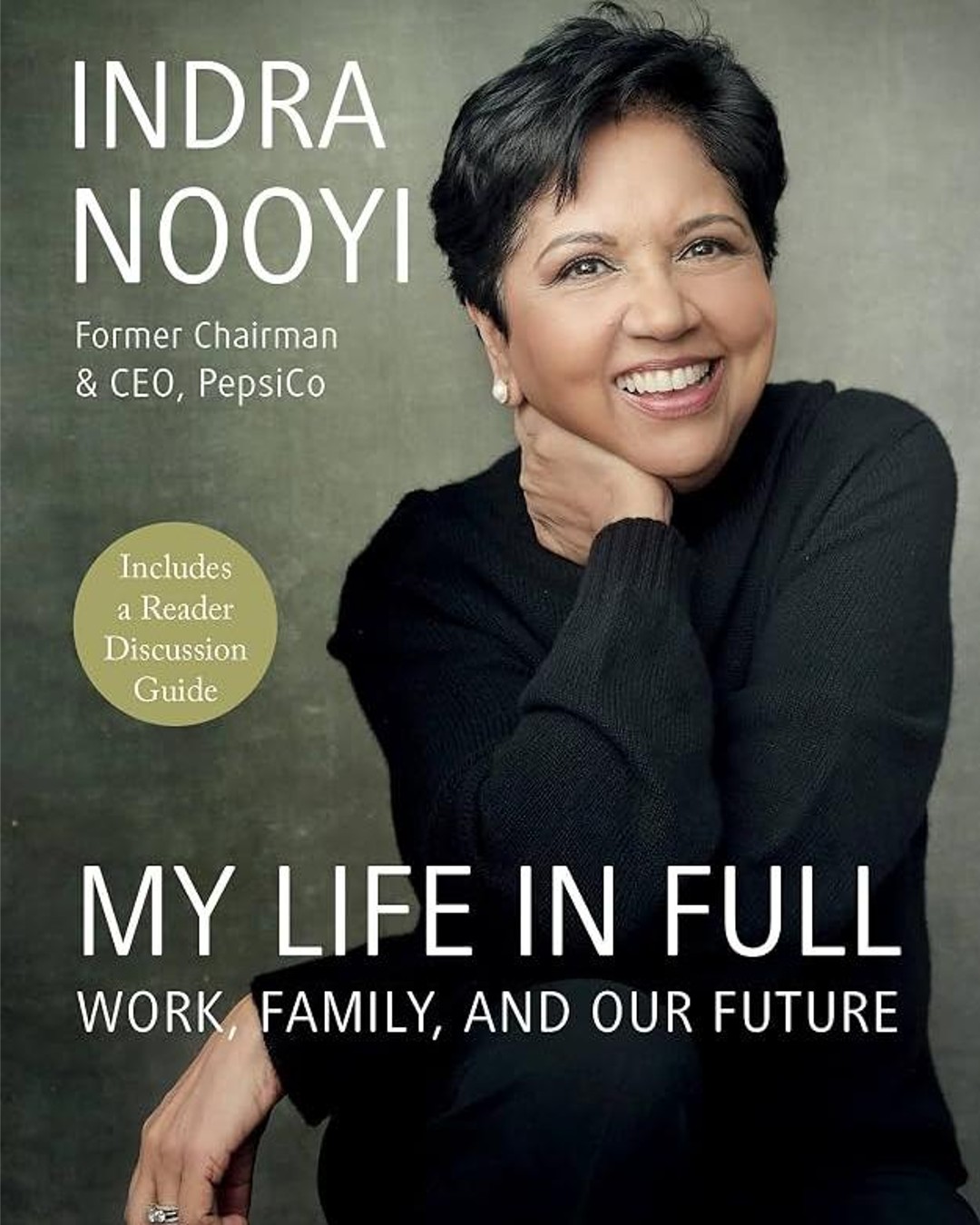

Leadership can be one of the most rewarding roles in health and social care, but it can also be one of the loneliest. Every day, leaders make decisions that affect the lives of people they support, their workforce, their organisation and often their own families. It is easy to become so focused on everyone else’s wellbeing that your own quietly slips down the priority list.
The problem is that stress rarely announces itself. It builds gradually until it begins affecting your health, judgement and relationships. The reality is simple: if leaders are not looking after themselves, it becomes much harder to look after everyone else.

Stress looks different for everyone, but many leaders describe similar symptoms:
These signs are not a weakness. They are your body’s way of telling you that it needs attention. Ignoring them rarely makes them disappear.
Managing stress does not always require dramatic life changes. Sometimes the most effective strategies are also the simplest.
If you notice your stress levels beginning to rise:
Even ten minutes can interrupt the body’s stress response and help you return with a clearer mind.
Many leaders fall into the trap of believing that every problem belongs to them. Over time this becomes exhausting. Part of leadership is trusting others to fulfil the responsibilities they were employed to do. Holding people accountable is not avoiding responsibility, it is good leadership.
When we constantly step in to rescue every situation, we unintentionally prevent others from developing confidence, accountability and resilience. Supporting your team does not mean carrying every burden on your own shoulders.
Healthcare leaders often hold themselves to impossibly high standards. The to-do list is never finished. There will always be another email, another meeting, another crisis or another improvement project waiting tomorrow. Learning to tell yourself, “I have done enough for today,” is not lowering your standards.
It is recognising that sustainable leadership requires rest as well as effort. You cannot pour from an empty cup.
Everyone’s toolkit will look different, but consider including habits such as:
The aim is not to eliminate stress completely, that would be impossible in leadership.
The goal is to recover more quickly when stress inevitably appears.
“I have spent many years leading businesses, and if there is one thing I wish I had learned earlier, it is how to regulate my own stress.
When I was younger, I ignored the warning signs. Looking back, they were obvious, my body would become inflamed, I couldn’t sleep, and my heart would race even when I was sitting still. I convinced myself that this was simply part of being a leader. It isn’t.
These days, I notice those signals much sooner. As soon as I feel the stress building, I go for a ten-minute walk. It sounds incredibly simple, but it resets my thinking and stops stress from taking over.
I’ve also learned something else that took me decades to understand: as leaders, we often believe we should be doing more. There is always another task, another problem to solve or another person to help. That mindset can become exhausting if we never allow ourselves to acknowledge what we’ve already achieved.
Now, at the end of each day, I remind myself that what I have done is enough. Tomorrow will bring new challenges, but today I have done my best.
Perhaps the biggest lesson has been learning that I don’t have to carry everything myself. Expecting people to fulfil the responsibilities they agreed to when they accepted their role isn’t unreasonable, it’s leadership. When we allow others to step up, we give them the opportunity to grow while protecting our own wellbeing.
It has taken me decades to learn these lessons. If sharing them helps even one leader recognise the signs of stress a little earlier and take better care of themselves, then writing this article has been worthwhile.”
Posted by:
M Ramalani
Editorial Assistant – The Daily Round
Busy day? We’ve got you covered. Get FREE daily news, practical insights, opportunities and wellbeing content, carefully curated for busy health and social care professionals. Just enter your details below to get The Daily Briefing delivered straight to your inbox.
 newsdesk@dailyround.news