

Wellbeing for Men

Practical advice, tools, and resources to support men’s physical and mental wellbeing, helping you stay healthy, resilient, and at your best.
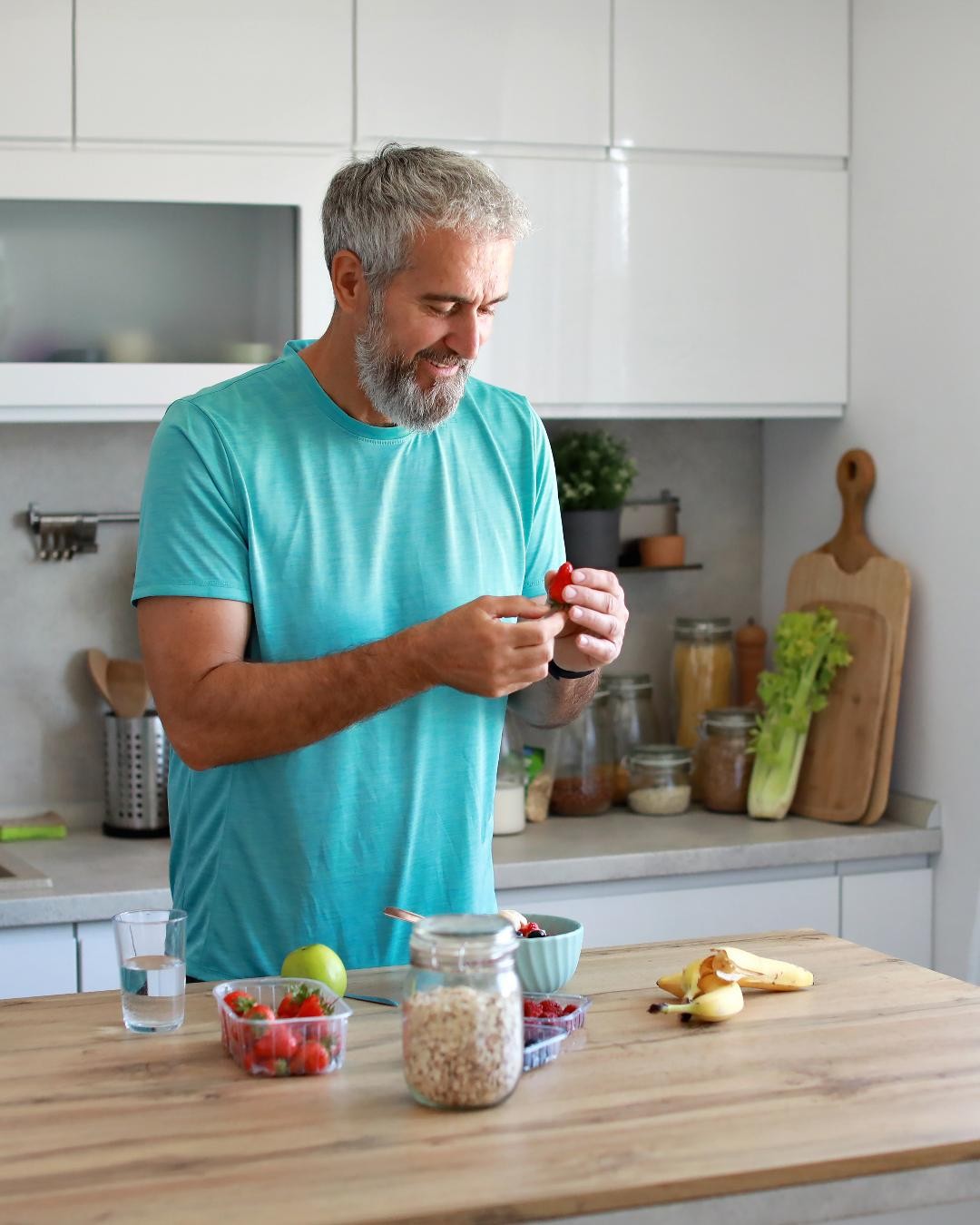



You start with a reasonable intention. You want more energy, better sleep or to feel fitter as you get older. You buy a watch, download an app and make a few changes. Then the targets begin to multiply. There are steps to complete, foods to avoid, supplements to consider and a sleep score waiting to judge the night before you have even got out of bed.
Looking after yourself can gradually become a demanding project. An evening with friends feels difficult because the food will not fit your plan. Missing a workout leaves you unsettled. A reassuring test result brings relief, but only until you start wondering whether there is something else you should check.
Recent coverage in Men’s Health has brought attention to the point at which pursuing a longer, healthier life can interfere with enjoying it. An October feature explored rigid routines, extensive monitoring and anxiety around longevity. It used the term “longevity fixation syndrome”, which is not an established medical diagnosis, to describe the experience. The wider question is worth considering: how much of your life is your health routine taking up?
For men, health advice can arrive wrapped in expectations about strength, discipline and performance. You are encouraged to build muscle, maintain energy, improve your numbers and stay ahead of ageing. There can be little room in that conversation for an ordinary body having an ordinary tired day.
You may begin comparing yourself with people whose routines bear little resemblance to your circumstances. Someone online has time for a lengthy morning workout, carefully prepared meals and an elaborate recovery routine. You have an early shift, a school run and a household that needs attention. Trying to reproduce their day can leave you feeling behind before yours has properly begun.
The difficulty is not necessarily any individual habit. Planning meals, enjoying exercise or using a wearable can be helpful. What deserves attention is how you respond when the plan changes. Can you rest without feeling guilty? Can you enjoy a meal you did not prepare? Can you put the watch aside without worrying that you are losing control?
When a routine becomes increasingly rigid, its effect can spread beyond the activity itself. You might decline invitations, become preoccupied during family time or spend money you cannot comfortably afford. The promise was to feel better, yet more of your day is being spent thinking about what might be wrong or what you should improve.
Commercial testing can add another layer. A test marketed as an opportunity to take control may seem like a sensible investment, particularly if you are worried about your health. But deciding whether a test is useful involves more than asking how many things it measures. Our report on commercial health tests and concerns about misleading results and overdiagnosis explores warnings about testing healthy people without a clear clinical reason.
Before paying for a package, it is reasonable to ask what the test is intended to find, whether it is appropriate for you and who will explain the result. You can also ask what would happen next if something unusual appeared. More information can create further decisions, costs and uncertainty rather than delivering the reassurance you expected.
This does not mean ignoring symptoms or avoiding recommended screening. New, persistent or worrying changes deserve appropriate medical advice. The distinction is between following a considered healthcare plan and repeatedly searching for certainty that no test can fully provide.
Health anxiety can involve frequent body-checking, repeated requests for reassurance and extensive searching for health information. The NHS describes it as worry about illness that begins to take over someone’s life. These experiences can be distressing even when a person recognises that the checking is becoming excessive.
If you recognise that pattern, try to notice what happens after you check. Does the information help you make a useful decision, or do you soon feel compelled to check again? A conversation with a GP can address both genuine health concerns and the worry surrounding them. You do not need to choose one explanation yourself before seeking help.
For people working in health and social care, admitting this can feel uncomfortable. You may believe your professional knowledge should make you more confident about your own health. You may also feel pressure to appear calm and capable. Our article on why some care professionals feel they have to hide their struggles is relevant here. Being able to support other people does not remove your own need for reassurance, care or psychological support.
The environment around you matters too. When you work from home, health content, work messages and personal tracking can occupy the same screen all day. There may always be another notification to respond to or another routine to research. Our feature on working from home wellbeing offers a related opportunity to think about boundaries, connection and how your day is structured.
A useful first step may be to simplify. Consider which habits support you and which ones mainly create pressure. Perhaps you enjoy walking but dislike competing with a daily step target. Perhaps planning a few meals helps, while recording every mouthful leaves you preoccupied. You can keep the helpful behaviour while reconsidering how closely you monitor it. If monitoring forms part of prescribed care, discuss changes with your healthcare team.
Pay attention to the language you use about yourself as well. A missed session does not make you lazy. A meal is not a moral test. Needing rest is information about how you feel, rather than evidence that you lack discipline. Allowing flexibility gives a routine a better chance of fitting the life you actually have.
If worry is disrupting your work, relationships or everyday activities, seek support. The NHS advises speaking to a GP when health worries prevent normal life or self-help is not working. Talking therapies, including cognitive behavioural therapy, may be offered following assessment.
It is worth asking what you hoped better health would allow you to do. Spend more time with your children? Enjoy a holiday? Feel comfortable meeting friends or trying something new? Make room for those things as you care for yourself. They should not have to wait until every measurement is perfect.
This article provides general wellbeing information and is not a substitute for medical advice. Speak to a healthcare professional about concerning symptoms, recommended checks or anxiety affecting your daily life.
Posted by:
M Ramalani
Editorial Assistant – The Daily Round
Busy day? We’ve got you covered. Get FREE daily news, practical insights, opportunities and wellbeing content, carefully curated for busy health and social care professionals. Just enter your details below to get The Daily Briefing delivered straight to your inbox.
 newsdesk@dailyround.news