

Women's Health

Practical tips, guidance, and inspiration to support your physical, mental, and emotional wellbeing every day.
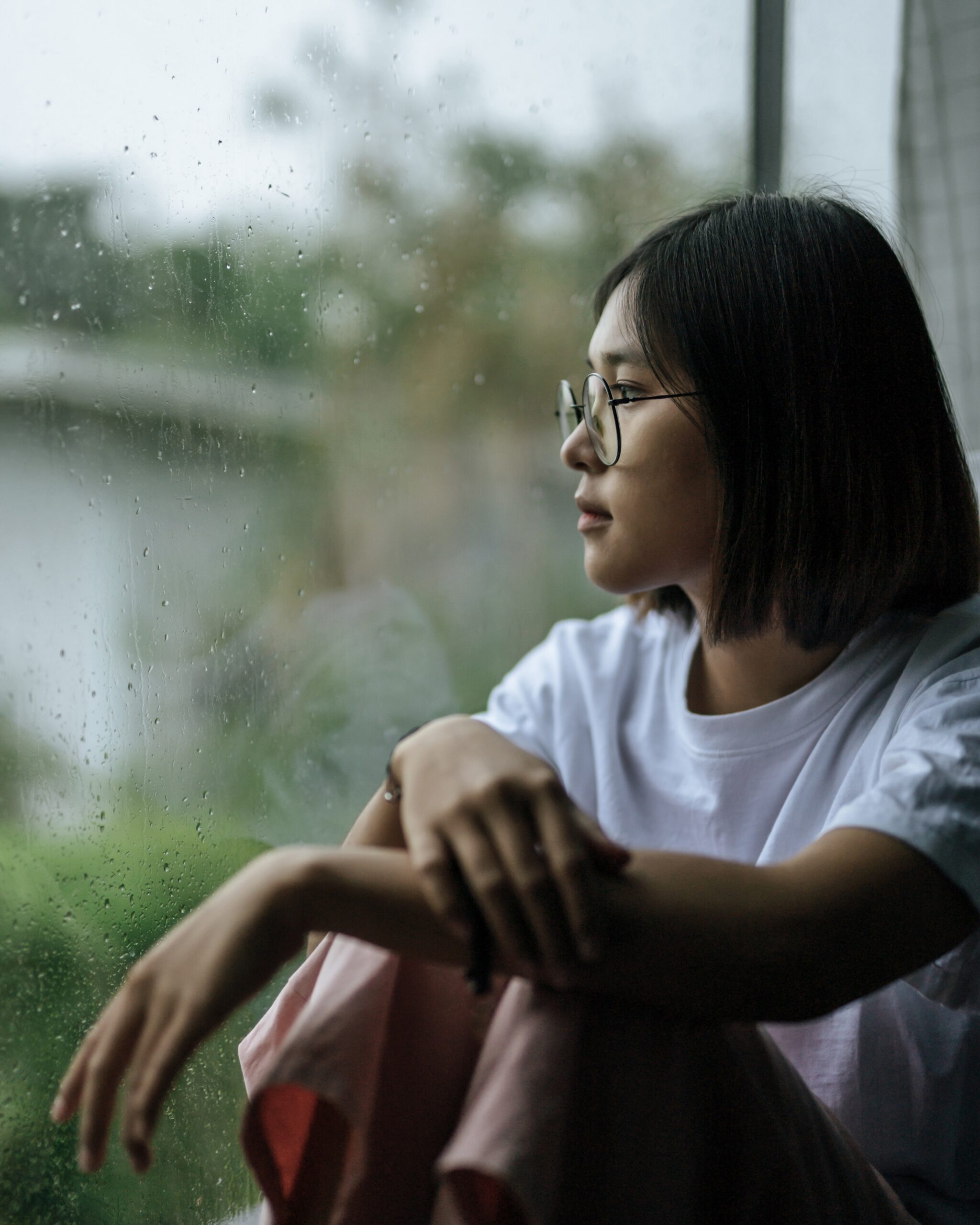



Wildfires, floods, record temperatures and violent storms now appear in the news with unsettling regularity. Even when the emergency is happening thousands of miles away, photographs and videos bring it directly into our homes within moments.
For some people, this creates more than temporary concern. They feel frightened about what climate change could mean for their health, home, children and future. They may feel guilty about their own environmental impact, powerless in the face of such a large problem or angry that governments and organisations are not doing enough. This experience is often described as climate anxiety.
It is not necessarily a mental health condition. It can be an understandable emotional response to a genuine threat. However, when the worry becomes constant, it can begin to affect sleep, concentration, relationships and the ability to enjoy life in the present.
There is no single way that climate anxiety feels. Some people experience intense fear when extreme weather appears in the news. Others carry a quieter sense of dread about what the world may look like in ten, twenty or fifty years.
Parents may worry about the future their children will inherit. Young people can feel that decisions made before they were born have limited their choices. People who have experienced floods, fires or forced displacement may feel distressed by weather warnings or images that remind them of what happened.
Climate anxiety can also appear as anger, grief or guilt. You may grieve for wildlife, landscapes or communities that have been lost. You might feel guilty about driving, flying, using plastic or failing to live in a perfectly sustainable way.
Some people become highly focused on learning and taking action. Others feel so overwhelmed that they avoid the subject completely. Both can be responses to the same underlying fear.
Many sources of anxiety relate to something a person can avoid or resolve. Climate change is different. It is a global issue that no individual can fix alone, and information about it is almost impossible to escape.
News reports frequently focus on the scale of the danger because the danger is real. Social media then adds personal footage, predictions, arguments and misinformation. One story can lead to hours of increasingly frightening content selected by an algorithm because it has noticed that you are watching.
You may believe that continuing to read makes you responsible and informed. Eventually, however, you can reach a point where you are no longer learning anything useful. You are simply exposing your mind to the same threat repeatedly. Being informed and being overwhelmed are not the same thing.
People generally cope better with difficult information when they believe there is something meaningful they can do. Climate change can produce the opposite feeling: the problem is enormous, while individual actions can appear painfully small.
You may carefully recycle, reduce waste or change how you travel, then see news about pollution on an industrial scale. This can create the belief that your efforts are pointless.
Individual choices do matter, particularly when they become shared social expectations. However, responsibility for a global problem cannot be placed entirely on individuals and families. Governments, industries, communities and international organisations also have the power to produce change on a much larger scale. You are responsible for the choices reasonably available to you. You are not personally responsible for solving the climate crisis.
Avoiding all information may not be practical or desirable, but you can control how and when you receive it.
Choose a small number of reliable sources rather than following every update through social media. Consider checking the news at planned times instead of allowing alerts to interrupt your entire day. Avoid consuming distressing coverage immediately before bed if you know it will prevent you from sleeping.
Pay attention to whether an article is giving you useful information or simply repeating frightening images and predictions. Once you understand the situation, reading ten more versions rarely makes you better prepared.
It is also worth seeking coverage of solutions, scientific progress and communities adapting successfully. This does not mean ignoring the seriousness of climate change. It creates a more complete picture than disaster reporting alone can provide.
Action can restore some sense of control, but it needs to be realistic. Attempting to live without any environmental impact is impossible and can turn concern into constant self-punishment.
Choose actions that fit your life. You might reduce unnecessary waste, use less energy, eat differently, support local environmental projects or consider sustainability when making significant purchases. You could contact political representatives, vote with climate policies in mind or support organisations working for wider change.
Collective action can be especially helpful because it replaces isolation with connection. Joining a community group, local clean-up or environmental campaign allows you to meet people who share your concerns while focusing on something practical. Your action does not have to fix everything to be worthwhile.
Climate anxiety can create an unforgiving set of rules. Every journey, meal or purchase becomes evidence of whether you are a good or bad person. That level of scrutiny is neither fair nor sustainable.
People make decisions within the realities of their income, location, health, work and caring responsibilities. Someone may need a car because public transport is inaccessible. A family may choose food based on cost rather than its environmental impact. A carer may rely on convenient or disposable products because they make daily life possible.
Doing what you reasonably can is different from doing everything perfectly. A small number of achievable changes maintained over time may have more value than an extreme lifestyle you cannot sustain.
Guilt that encourages thoughtful action can occasionally be useful. Guilt that tells you that you are never doing enough will eventually exhaust you.
Some environmental losses are real and cannot be softened with positive thinking. Places have changed, species have declined and communities have suffered. It is reasonable to feel sadness about that. Hope does not require pretending everything will be fine. It means believing that action can still influence what happens next.
Human beings have changed laws, developed cleaner technologies, restored habitats and worked together to protect communities. Progress may be slower and less consistent than we need, but the future is not completely decided.
Despair can feel like a realistic response, yet it can also convince us that nothing is worth doing. Hope is not passive optimism. It is what allows people to continue acting despite uncertainty.
Climate anxiety can make nature feel like a collection of losses and threats. Spending time outdoors can help restore a more immediate relationship with it. Notice what is still here. Walk beneath trees, listen to birds, grow something, visit water or learn the names of plants in your area. These experiences do not erase environmental danger, but they remind you why care and protection matter.
They also bring your attention back to the present. The climate crisis concerns the future, but your life is still happening now. You are allowed to notice beauty, celebrate good moments and make plans without feeling that happiness means you are no longer taking the problem seriously.
Concern about climate change is understandable, but you should seek support if it is dominating your thoughts, seriously disrupting your sleep or making ordinary life feel impossible.
Talking to someone you trust may help, particularly if you have been carrying the fear alone. A mental health professional can help you manage the anxiety without dismissing the reality behind it. The aim is not to persuade you that there is nothing to worry about. It is to help you live with awareness without remaining in a constant state of alarm.
Climate anxiety begins with caring about what happens to people and the planet. That care is not something you need to lose. The challenge is to carry it in a way that leaves room for action, connection and hope. You cannot protect the entire world by worrying about it every hour, and you do not have to destroy your own wellbeing to prove that its future matters to you.
Wellbeing looks different for everyone, and sometimes the most useful thing is simply finding the right information at the right time. Explore more from Daily Round with our dedicated Women’s Health, Men’s Wellbeing and Wellbeing for Leaders sections, or head to the Leaders Library for our latest book recommendations, ideas and inspiration for life in and outside work.
Posted by:
Mehala
Editorial Assistant – The Daily Round
Busy day? We’ve got you covered. Get FREE daily news, practical insights, opportunities and wellbeing content, carefully curated for busy health and social care professionals. Just enter your details below to get The Daily Briefing delivered straight to your inbox.
 newsdesk@dailyround.news