
Women's Health

Advice, information, and resources to help women navigate every stage of life, supporting both physical and mental wellbeing.



Many women notice that maintaining their weight becomes more challenging during their 40s and 50s. Clothes may fit differently, weight may settle around the abdomen, and losing weight can seem harder than it once was.
While menopause is often blamed, the picture is more complex. Weight changes in midlife are influenced by a combination of ageing, hormonal changes, lifestyle and genetics.
Understanding what is happening can help women make realistic, sustainable choices to support their health.
Research suggests that menopause itself is not the sole cause of weight gain. Instead, age-related changes in metabolism, muscle mass and activity levels all contribute.
However, hormonal changes, particularly declining oestrogen levels can change where fat is stored. Many women notice that fat shifts from the hips and thighs towards the abdomen during perimenopause and after menopause.
This change in body composition is common and does not mean you have done anything wrong.
Several factors may contribute to weight gain during midlife, including:
Often, it is the combination of these factors rather than one single cause.
An increase in abdominal fat is common after menopause. Carrying excess weight around the waist has been associated with an increased risk of:
Even modest weight loss, where appropriate, can improve overall health and reduce these risks.
There is no quick fix, but evidence shows that consistent lifestyle changes can make a meaningful difference.
Strength or resistance exercise helps maintain and build muscle, supporting metabolism and improving bone health.
Aim for muscle-strengthening activities at least twice a week alongside regular aerobic exercise.
Walking, cycling, swimming, dancing or other activities you enjoy all contribute to better physical and mental health.
Finding something sustainable is more important than choosing the “perfect” exercise.
Protein helps maintain muscle mass and can support fullness after meals.
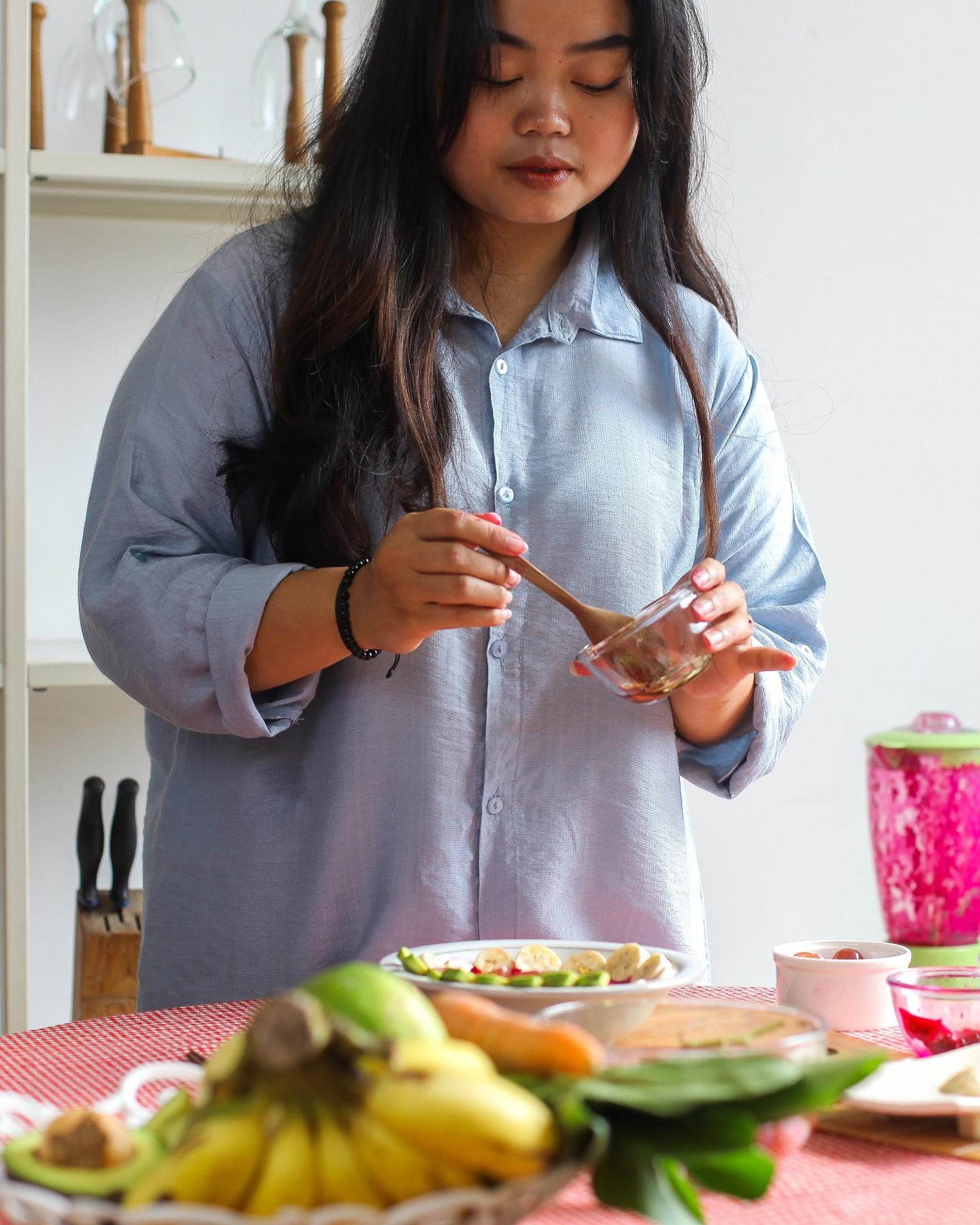
Including lean protein sources throughout the day may be beneficial, alongside plenty of vegetables, wholegrains and healthy fats.
Poor sleep can affect appetite-regulating hormones and increase cravings for high-calorie foods.
Developing a regular sleep routine and addressing menopause-related symptoms that interfere with sleep may help.
Long-term stress can influence eating habits and make healthy routines harder to maintain.
Activities such as mindfulness, spending time outdoors, regular exercise and talking with others may help reduce stress levels.
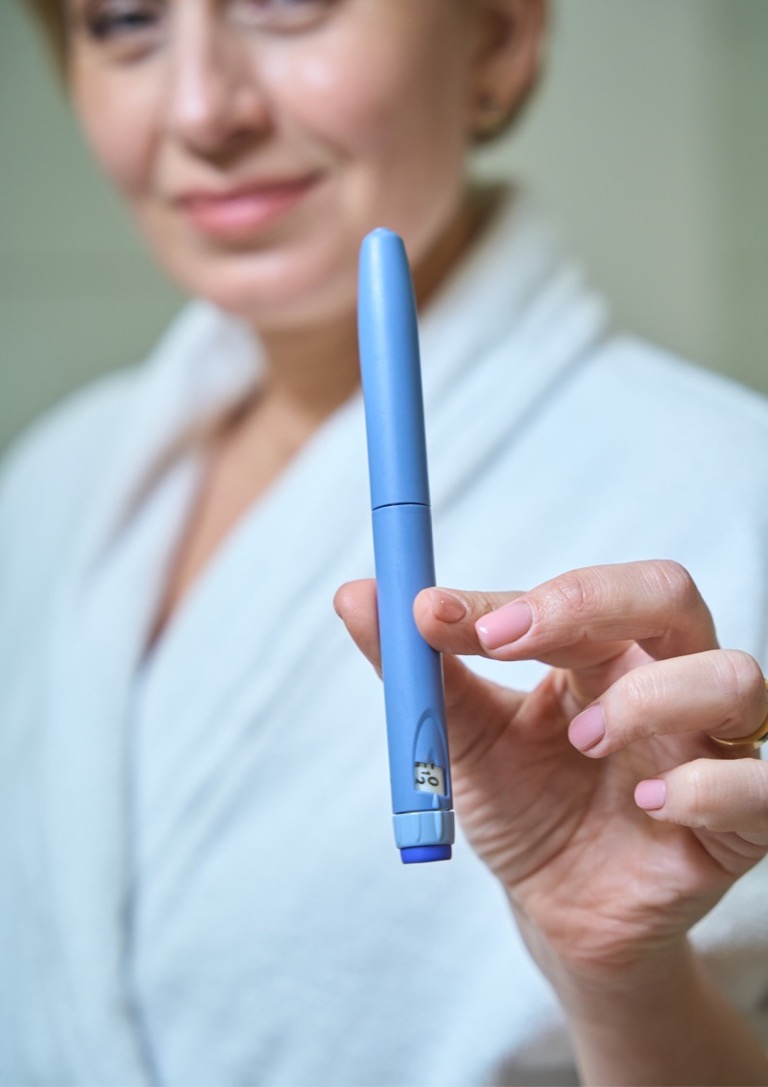
Some women may benefit from additional support if lifestyle measures alone are not enough.
Depending on your circumstances, your healthcare professional may discuss:
The most appropriate treatment will depend on your overall health and individual needs.
Weight is only one measure of health. Building strength, protecting bone health, eating well, sleeping better and staying active all contribute to healthy ageing, regardless of the number on the scales.
Midlife brings change, but it can also be an opportunity to build habits that support long-term wellbeing. Small, consistent changes are often more effective and more sustainable than restrictive diets or quick-fix solutions.
This article is intended for general information only and should not be considered medical advice. It should not be used to diagnose or treat any medical condition. If you are concerned about unexplained weight gain, menopause symptoms or your overall health, speak to your GP or another qualified healthcare professional. They can help assess potential causes and discuss the most appropriate treatment and support for your individual circumstances.
This article is part of our Women’s Health series, created to support the people who dedicate their careers to caring for others.
Over the coming months, we’ll be expanding our Lifestyle section with practical advice, expert insights, book and podcast recommendations, money-saving ideas, travel inspiration, health features and everyday wellbeing content designed specifically for those working across health and social care.
Most importantly, we want this to be your community. Tell us what matters most to you, suggest topics you’d like us to cover and share your feedback so we can create content that is genuinely useful, relevant and shaped by the people who work in the sector every day. We are always listening at newsdesk@dailyround.news
Posted by:
K Jadon
Editorial Assistant – The Daily Round
Busy day? We’ve got you covered. Get FREE daily news, practical insights, opportunities and wellbeing content, carefully curated for busy health and social care professionals. Just enter your details below to get The Daily Briefing delivered straight to your inbox.
 newsdesk@dailyround.news