

Women's Health

Advice, information, and resources to help women navigate every stage of life, supporting both physical and mental wellbeing.
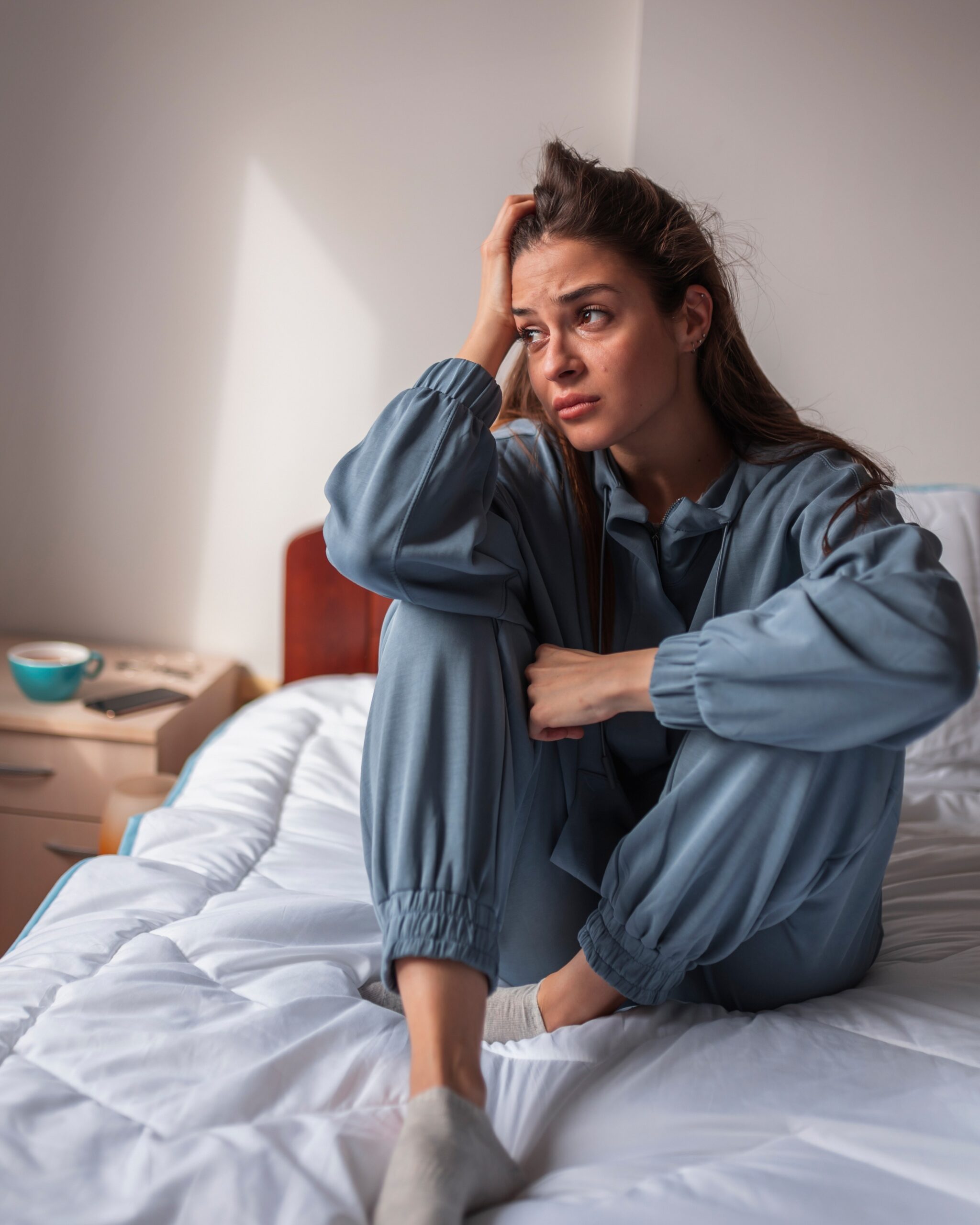



What have you missed because of your period?
Was it a school lesson, a university exam or a shift you could not afford to lose? Have you cancelled a holiday, left a night out early or slept on the bathroom floor because the pain made you feel sick? Do you check the calendar before accepting invitations, carry spare clothes everywhere or avoid travelling in case you cannot reach a toilet?
Perhaps you have never technically “missed” anything. You went to work with painkillers in your bag, smiled through a family occasion or sat through a meeting while trying not to be sick. Continuing to function does not mean the pain was mild. It may simply mean you were never given permission to stop.
Period pain is common, but pain that repeatedly disrupts ordinary life should not be dismissed as an unavoidable part of being a woman. The NHS itself identifies severe period pain that stops someone carrying out normal activities as a possible symptom of endometriosis.
There is no perfect pain score separating an ordinary period from a medical problem. People experience and describe pain differently, and the severity of endometriosis found in the body does not always correspond neatly with the intensity of symptoms.
A more useful question is what the pain makes you change.
Do you need to take time off? Does it wake you from sleep? Are over-the-counter painkillers no longer enough? Do you vomit, faint or become unable to stand upright? Is sex painful? Does going to the toilet hurt during your period? Are your periods extremely heavy, or do you experience pelvic pain at other times of the month?
These symptoms do not prove that somebody has endometriosis, but they justify medical attention. Painful periods can also be associated with adenomyosis, fibroids, pelvic inflammatory disease and other conditions. The purpose of seeking help is not to arrive with the correct diagnosis already worked out; it is to have the impact of the symptoms taken seriously and investigated appropriately.
Endometriosis occurs when tissue similar to the lining of the womb is found elsewhere in the body, most commonly around the pelvis. It can cause severe period pain, chronic pelvic pain, pain during or after sex, painful bowel movements, bladder symptoms, fatigue and difficulties becoming pregnant.
Yet the latest Endometriosis UK research suggests that receiving a diagnosis now takes an average of nine years and four months in the UK. In its 2026 report, 83% of respondents said that before diagnosis they had been told by a healthcare professional that they were making a fuss about nothing, that their symptoms were normal or had experienced a similar form of dismissal.
Part of the problem begins long before the first GP appointment. Girls are often taught that periods hurt, but not how much pain should prompt concern. Experiences are compared within families, where severe symptoms may already have been normalised across generations. A teenager whose mother and grandmother also spent days in bed every month may assume that this is simply what menstruation looks like.
When help is sought, individual symptoms may be treated separately. Bowel problems can be attributed to irritable bowel syndrome, painful sex may not be discussed, heavy bleeding may be treated without considering the pelvic pain, and fatigue may be blamed on stress. The cyclical pattern can disappear when each symptom is considered in isolation.
Long waits for gynaecology and limited access to specialist imaging also contribute. Endometriosis can be difficult to identify, and a normal examination or scan may wrongly be understood as proof that nothing is wrong.
A GP should take a history of the pain and associated symptoms, including when they occur, how they affect daily life and whether there are bowel, bladder, sexual or fertility concerns. Keeping a symptom diary for several cycles can make the pattern easier to demonstrate. It may include pain levels, bleeding, medication, missed activities, digestive symptoms and pain during sex or when using the toilet.
NICE now recommends offering a transvaginal ultrasound to people with suspected endometriosis, even where an abdominal or pelvic examination is normal. Where a transvaginal scan is declined or is not suitable, a transabdominal ultrasound may be considered.
Crucially, a normal scan does not rule out endometriosis. Some forms, particularly superficial disease, may not be visible on routine imaging. NICE explicitly says that endometriosis should not be excluded simply because an examination or ultrasound is normal.
Referral to gynaecology may be appropriate where symptoms have a significant effect on daily living, initial treatment does not work or is not tolerated, symptoms persist or recur, or there is concern about more extensive disease. Specialist endometriosis services may be needed where deep endometriosis involving the bowel, bladder or ureter is suspected.
A laparoscopy—keyhole surgery that allows clinicians to look inside the pelvis—may be considered even where ultrasound or MRI has been normal. However, the path to diagnosis does not always need to begin with surgery, and treatment for suspected endometriosis may be offered while investigations and referrals are continuing.
Treatment should be shaped by the person’s symptoms, preferences, health and fertility plans. Options can include pain relief, hormonal treatment and surgery. Hormonal treatments may reduce or stop periods and can help control symptoms, but they do not work for everyone and side effects may influence the choice.
Surgery may be considered to diagnose and treat endometriosis, remove lesions or address complications. It is not a guaranteed permanent cure, and symptoms can return. People considering surgery should receive clear information about the expected benefits, possible risks and what follow-up will be available.
Pain management may also involve pelvic-health physiotherapy, support for bowel or bladder symptoms and help with the emotional effects of living with persistent pain. Endometriosis is not simply a fertility condition, and care should not become available only when someone decides they want to become pregnant.
Describe what the pain prevents, not only how it feels. “My period pain is bad” can be interpreted in many ways. “I miss two shifts every month, wake repeatedly through the night and cannot walk to the bathroom without help” gives a much clearer account of severity.
Bring a written symptom record and include the treatments already tried. Mention if pain occurs during sex, urination or bowel movements, even if it feels uncomfortable to discuss. Explain whether symptoms are worsening and whether they continue outside the period itself.
If a scan is normal but symptoms continue, ask what the next step is and whether endometriosis remains a possibility. A normal result should be useful information within the investigation, not the automatic end of it.
Some discomfort during menstruation can be normal. Losing days of every month to pain should not be treated as an ordinary rite of passage.
The clearest warning may not be the number a woman assigns to her pain. It may be the collection of things that pain has quietly taken from her: attendance, income, relationships, sex, sleep, education, exercise and the confidence to make plans.
If a period controls the diary, it is affecting daily life. That alone is a reason to ask why.
Medical disclaimer: This article is for general information only and is not a substitute for individual medical advice, diagnosis or treatment. Contact your GP or another qualified healthcare professional if period pain is severe, worsening or disrupting your normal activities. Seek urgent medical help for sudden or extreme pain, collapse, very heavy bleeding or any symptoms that may represent an emergency.
Wellbeing looks different for everyone, and sometimes the most useful thing is simply finding the right information at the right time. Explore more from Daily Round with our dedicated Women’s Health, Men’s Wellbeing and Wellbeing for Leaders sections, or head to the Leaders Library for our latest book recommendations, ideas and inspiration for life in and outside work.
Posted by:
Mehala
Editorial Assistant – The Daily Round
Busy day? We’ve got you covered. Get FREE daily news, practical insights, opportunities and wellbeing content, carefully curated for busy health and social care professionals. Just enter your details below to get The Daily Briefing delivered straight to your inbox.
 newsdesk@dailyround.news