

Women's Health

Advice, information, and resources to help women navigate every stage of life, supporting both physical and mental wellbeing.
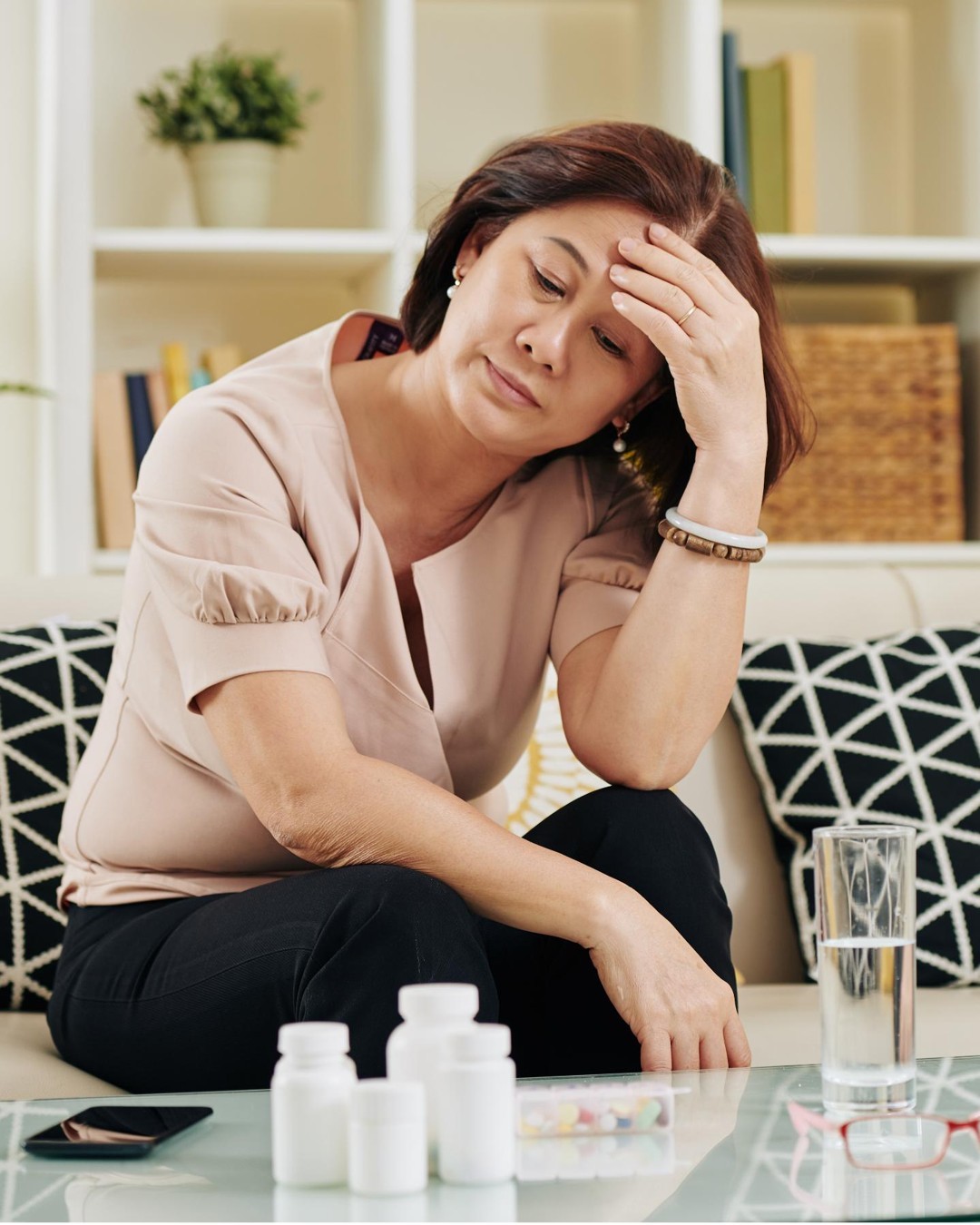


Cortisol has become one of the wellness world’s favourite villains. Scroll through social media for long enough and you might be told that a rounder face is a “cortisol face”, weight around your middle is a “cortisol belly”, waking at 3am means your cortisol is broken and a carefully selected collection of supplements, powders and morning routines can somehow “reset” it.
The reality is considerably more complicated.
Cortisol is not something our bodies need to eliminate. It is an essential hormone that helps us wake up, respond to stress, regulate blood pressure and blood sugar, influence inflammation and make energy available when we need it. We could not function normally without it.
What does matter is the effect of prolonged stress on our bodies and minds. And for women balancing careers, relationships, children, caring responsibilities, finances and an endless stream of everyday demands, understanding that relationship can be far more useful than becoming frightened of a hormone our bodies are designed to produce.
Cortisol is a steroid hormone produced by the adrenal glands, which sit above the kidneys. Its production is controlled through a communication system involving the brain and adrenal glands, often referred to as the hypothalamic-pituitary-adrenal, or HPA, axis.
Cortisol levels naturally change throughout the day. They are generally higher around the time we wake and gradually decline towards the evening, helping our bodies maintain a healthy sleep-wake rhythm.
When we encounter something stressful, cortisol levels can rise as part of the body’s stress response. Alongside hormones such as adrenaline, cortisol helps make energy available and prepares us to respond to whatever challenge is in front of us.
That system is incredibly useful if we need to react quickly to danger. The problem with modern stress is that the threat rarely disappears after a few minutes.
The difficult conversation at work becomes an evening spent worrying about it. The financial problem lasts for months. Caring for an elderly parent does not stop because we are tired. Emails continue arriving. Children still need collecting. The mortgage still needs paying.
Our bodies may be dealing with stressors that are psychological and social rather than physical, but they are still real.
Occasional stress is part of being human and is not inherently harmful. In fact, short bursts of stress can help us perform, concentrate and respond effectively to demanding situations. Chronic stress is different.
When somebody spends prolonged periods feeling under pressure, the effects can appear throughout everyday life. Sleep may become disrupted. Headaches and muscle tension can become more frequent. Digestion can change. Concentration may become harder and people can feel irritable, anxious, exhausted or emotionally overwhelmed.
Stress can also influence behaviours that affect physical health. When we are exhausted, exercising can become less appealing. We may reach for convenient foods, drink more alcohol, consume more caffeine or sacrifice sleep to get everything finished.
This is one reason reducing women’s health to a single hormone is so unhelpful. Stress involves a complex interaction between the brain, nervous system, hormones, immune system, sleep, behaviour and the circumstances in which somebody is living.
There is rarely one magic number that explains everything.
This is where cortisol conversations become particularly noisy.
Long-term stress can be associated with changes in appetite, eating behaviours and body weight, and cortisol is one part of that complicated picture. But seeing weight gain and immediately blaming “high cortisol” is an enormous oversimplification.
Body weight is influenced by many factors, including genetics, age, hormones, medication, activity levels, sleep, diet and health conditions. Stress may affect several of those things simultaneously.
Someone sleeping badly because they are stressed may have less energy to exercise. They may snack more frequently or seek foods that provide quick comfort. They may have less time to prepare meals. Menopause or perimenopause may be occurring at the same time and affecting body composition.
That does not mean the weight gain is imaginary or that stress is irrelevant. It simply means the explanation is more complicated than a viral infographic suggesting that a particular stomach shape proves your cortisol levels are too high.
The term “cortisol face” has become increasingly common online, usually accompanied by photographs showing facial puffiness or a rounder face.
Persistent exposure to genuinely excessive cortisol can cause physical changes in certain medical conditions, most notably Cushing’s syndrome. But Cushing’s syndrome is a specific medical condition that requires professional investigation and treatment. It should not be confused with feeling stressed after a difficult month at work.
Facial appearance can change for countless reasons, including fluid retention, sleep, alcohol, diet, medication, allergies, hormonal fluctuations and normal changes in weight.
Diagnosing a hormonal disorder from somebody’s face, particularly through a social media video is not good medicine.
There is another reason conversations about stress and women’s health matter.
For many women, stress is not simply about having a demanding job. It is the accumulation of responsibilities that sit around it.
Remembering the school trip. Booking the dentist. Knowing when the prescription runs out. Checking on an elderly parent. Buying the birthday present. Organising childcare. Keeping track of what is in the fridge. Answering the work message while making dinner.
This is sometimes described as the “mental load”: the planning, anticipating and remembering required to keep family and household life functioning.
Not every household operates this way and men experience substantial stress too. But research consistently shows that women continue to undertake a significant proportion of unpaid caring and domestic work, even when they are also employed.
That matters because telling an exhausted woman to “reduce her stress” can be spectacularly unhelpful when the things creating that stress are responsibilities she cannot simply abandon.
Sometimes wellbeing requires more than meditation. Sometimes it requires redistribution of the workload.
Women’s hormonal health also changes considerably throughout life.
The menstrual cycle, pregnancy, the postnatal period, perimenopause and menopause can all influence sleep, mood and physical wellbeing. These changes can occur alongside stressful life events and make it difficult to separate one factor from another.
Perimenopause is a particularly good example. Women may experience sleep disturbance, anxiety, changes in mood, brain fog, palpitations and changes in body composition. Many of these experiences can also occur during periods of chronic stress.
A woman in her forties who feels exhausted, forgetful, anxious and unable to sleep may therefore be dealing with stress, hormonal changes, another health condition, or several things at once.
This is why persistent or significant symptoms deserve proper medical consideration rather than an assumption that cortisol must be responsible.
Cortisol can be measured using blood, urine or saliva tests when there is a clinical reason to investigate abnormal cortisol production.
However, testing cortisol is not as straightforward as checking a number and deciding whether somebody is “stressed”. Levels naturally vary according to the time of day and can be influenced by illness, medication and other factors.
Doctors may investigate cortisol when symptoms suggest conditions involving unusually high or low cortisol production. That is very different from routine testing because somebody feels busy, tired or overwhelmed.
Commercial tests marketed directly to consumers can make the process appear much simpler than it really is. A result without appropriate clinical context may create more anxiety rather than providing a useful explanation.
The popularity of cortisol online has inevitably created an industry promising to control it.
Products marketed as cortisol blockers, adrenal support supplements, hormone-balancing powders and stress detoxes are increasingly easy to find. Claims can sound scientific while offering remarkably simple solutions to complicated problems.
There is no standard supplement capable of “resetting” cortisol for everybody, and the idea that most stressed people need to detoxify cortisol misunderstands what the hormone actually does.
Supplements can also interact with medicines or be inappropriate for certain health conditions. “Natural” does not automatically mean harmless.
If symptoms are significant enough to make somebody believe they have a hormonal disorder, that is a reason to speak to a healthcare professional rather than allowing an influencer to diagnose the problem and sell the treatment in the same video.
Unfortunately for the wellness industry, some of the most useful approaches to managing everyday stress are also the least glamorous.
Regular movement, adequate sleep, eating regularly, spending time outside, reducing excessive alcohol consumption and maintaining social connections can all support physical and mental wellbeing. Relaxation techniques, mindfulness and breathing exercises can help some people too.
But there is an important caveat: wellbeing should not become another task women feel they are failing at.
Someone working long hours while raising children and caring for a parent does not need another elaborate morning routine requiring a 5am alarm, cold plunge, 20-minute meditation, green smoothie and gratitude journal before the rest of the household wakes up.
Sometimes the healthiest intervention is an earlier night. Sometimes it is asking somebody else to do the school run. Sometimes it is saying no.
And sometimes stress is telling us that something about our circumstances genuinely needs to change.
Persistent exhaustion, significant changes in weight, severe sleep problems, ongoing anxiety or low mood, changes to menstrual cycles or other unexplained physical symptoms should not automatically be dismissed as stress.
There are many medical conditions that can produce symptoms people may attribute to cortisol, including thyroid problems, anaemia, diabetes and hormonal disorders. Menopause and perimenopause can also deserve consideration depending on age and symptoms.
Stress itself can also become serious. If it begins interfering substantially with work, relationships, sleep or everyday functioning, seeking professional support is entirely reasonable.
The important thing is not to diagnose yourself through social media.
Perhaps the strangest thing about the current cortisol obsession is that it has turned an essential hormone into something women are encouraged to fear.
Cortisol is doing its job.
The more useful question is often why the body’s stress response is being called upon so frequently in the first place.
For some women, there may be medical issues worth investigating. For many others, the answer may lie in relentless workloads, inadequate sleep, caring responsibilities, financial pressures or simply trying to fulfil too many roles at once.
We should absolutely talk more about the effect of chronic stress on women’s health.
But perhaps we should spend slightly less time trying to “hack” women’s hormones, and slightly more time asking why so many women are exhausted in the first place.
Wellbeing looks different for everyone, and sometimes the most useful thing is simply finding the right information at the right time. Explore more from Daily Round with our dedicated Women’s Health, Men’s Wellbeing and Wellbeing for Leaders sections, or head to the Leaders Library for our latest book recommendations, ideas and inspiration for life in and outside work.
Or, if you’re ready to get back to what’s happening across the sector, catch up with today’s Daily News for the latest health and social care stories.
Posted by:
M Ramalani
Editorial Assistant – The Daily Round
Busy day? We’ve got you covered. Get FREE daily news, practical insights, opportunities and wellbeing content, carefully curated for busy health and social care professionals. Just enter your details below to get The Daily Briefing delivered straight to your inbox.
 newsdesk@dailyround.news